

You brush twice a day. You floss every night. You use mouthwash. And your breath still smells. If that is you, you are not doing something wrong — you are missing a cause that brushing cannot reach. Bad breath even though I brush and floss is one of the most common questions we hear in the office, and it almost always points to one of six specific problems. Here is the exact list I check first with a patient in the chair, ranked by how often each one turns out to be the answer.
Why Brushing and Flossing Alone Are Not Enough
Brushing cleans the front and biting surfaces of your teeth. Floss cleans between them. Neither one cleans the back of your tongue, the pocket under your gums, your tonsils, or your sinuses. Chronic bad breath — the medical name is halitosis — is caused by odor-producing bacteria that live in exactly those places. So a patient can have flawless brushing habits and still have breath that smells, because the bacteria are somewhere the toothbrush cannot go.
The smell itself is caused by volatile sulfur compounds (VSCs). These are gases the bacteria give off when they break down protein — from food, from mucus, or from dead cells in your mouth. Higher VSCs equal stronger smell. The question is always the same: where is the VSC factory hiding?
Here are the six places we check, in order.
1. A Coated Tongue (The #1 Cause We See)
Look at the back third of your tongue in a mirror. If you see a white, yellow, or grayish film, that is a bacterial coating — and it is the source of the smell in about 60 to 70 percent of the patients who walk into our office with the "I brush and floss" story. A toothbrush does not reach that far back, and even when it does, the bristles are the wrong shape to lift the coating off.
The fix is a proper tongue scraper (metal, not plastic), used once a day, from as far back as you can comfortably reach, pulled forward in five to eight strokes. Rinse the scraper between strokes. Do this for two weeks and see if the smell changes. We break down the full comparison in our post on [tongue coating and how it drives most bad breath cases](/blog/tongue-coating-and-bad-breath-how-periodontal-disease-drives-90-of-cases/).
2. Dry Mouth From Medications
Bad breath even though I brush and floss is often really a saliva problem. Saliva is your mouth's built-in janitor. It rinses food off, washes bacteria off the tongue, and neutralizes acid. When saliva drops, the sulfur-producing bacteria multiply fast — with no change to your brushing habits at all.
More than 400 common medications list dry mouth as a side effect. The usual suspects are antidepressants (SSRIs like Zoloft or Lexapro), blood pressure pills, antihistamines (Zyrtec, Claritin, Benadryl), ADHD stimulants, and sleep aids. If your bad breath started within a few months of a new prescription, the pill bottle is very likely the answer. Read the full breakdown in our guide to [medication dry mouth and bad breath](/blog/dry-mouth-from-medications-the-most-missed-cause-of-chronic-bad-breath/). Do not stop a prescription without your doctor — the fix is managing the dryness, not quitting the drug.
3. Early Gum Disease Hiding Below the Gumline
Floss cleans the sides of your teeth. It does not clean inside a periodontal pocket — the small gap that forms when gum tissue starts to pull away from a tooth. Once a pocket is deeper than about 4 millimeters, it becomes a bacterial reservoir that a toothbrush and floss physically cannot reach. That reservoir gives off VSCs 24 hours a day.
The tell: your gums bleed when you floss, or you see pink in the sink when you spit. According to the [CDC's periodontal disease overview](https://www.cdc.gov/oralhealth/conditions/periodontal-disease.html), nearly half of American adults over 30 have some form of gum disease — most do not know it. If your gums bleed and your breath smells, book a periodontal exam. A deep cleaning below the gumline usually clears the smell within two to three weeks. This is the underlying cause we address inside our [chronic halitosis treatment program](/chronic-halitosis/) here in Berkeley.
4. Postnasal Drip and Sinus Issues
Mucus dripping down the back of your throat is protein. Bacteria on the back of your tongue break that protein down into sulfur compounds — the same smell as a coated tongue, but with a source you cannot brush off. This is why patients with allergies, chronic sinusitis, or a deviated septum often have breath that gets worse in the morning and after lying down.
The signal is a constant throat-clearing feeling, a slightly hoarse voice, or that "something is dripping" sensation at night. Treating the drip usually clears the breath. We cover the full playbook in [postnasal drip and bad breath](/blog/postnasal-drip-and-bad-breath-fixing-the-cause-behind-the-coated-tongue/).
5. Tonsil Stones You Cannot See
If you have your tonsils, look at them in a bright bathroom mirror while saying "ahh." Small white or yellow specks tucked into the little pits on the tonsil surface are tonsil stones (tonsilloliths). They are hardened pockets of bacteria, food debris, and dead cells — and each one is essentially a tiny bad-breath grenade. Some patients have stones so small they cannot see them but can smell them when they burp or cough.
Gargling with warm salt water once a day, staying hydrated, and treating any postnasal drip cuts most stones. Read the full self-check in [tonsil stones and bad breath](/blog/tonsil-stones-and-bad-breath-how-to-tell-if-that-s-your-cause/).
6. The Wrong Mouthwash Making It Worse
This one surprises patients the most. Most drugstore mouthwashes are 15 to 25 percent alcohol. Alcohol is a drying agent. So the very product you are using to freshen your breath is drying out your mouth, killing off the good bacteria along with the bad, and setting up the sulfur-producing bacteria to bounce back stronger a few hours later. That is why so many patients say, "It smells fine for an hour, then it comes back worse."
The switch: an alcohol-free rinse with chlorhexidine, cetylpyridinium chloride (CPC), or stabilized chlorine dioxide. Full breakdown in [why mouthwash makes chronic bad breath worse](/blog/why-mouthwash-makes-chronic-bad-breath-worse-and-what-to-use-instead/).
The Order to Try Fixes At Home (Before You Book)
Before you spend money on a specialist visit, run this two-week test:
- Buy a metal tongue scraper. Use it once a day, back to front, five to eight strokes.
- Switch to an alcohol-free mouthwash.
- Drink an extra 20 ounces of water a day, especially if you are on a medication from the list above.
- Floss and brush the way you already do.
If your breath is clearly better after two weeks, keep going. If it is not, one of the deeper causes — gum pockets, postnasal drip, tonsil stones, or a medication issue — is running the show, and you need a proper workup.
When to Call a Dentist Instead of Guessing
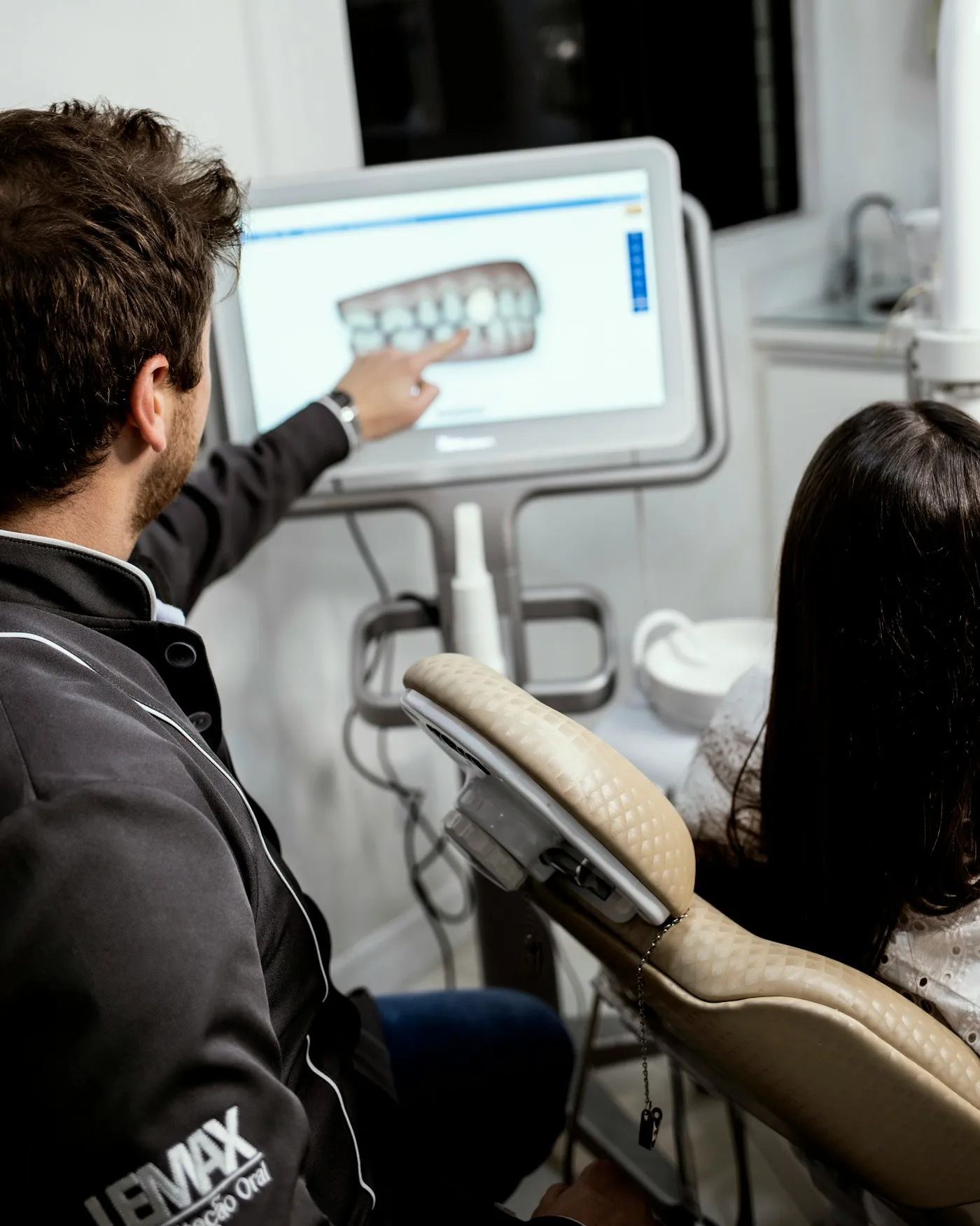
Book an exam if any of these apply: your gums bleed when you floss, your breath is worse in the morning after full brushing the night before, you take two or more prescription medications, you have chronic sinus issues, or you have run the two-week home test and nothing changed. A halitosis-focused exam measures VSCs directly, checks pocket depths at every tooth, and inspects the tonsils and the back of the tongue under proper light. Walk through the full appointment in [what a Berkeley halitosis exam actually involves, step by step](/blog/what-a-berkeley-halitosis-exam-actually-involves-step-by-step/).
If you are in Berkeley, Oakland, Albany, El Cerrito, Emeryville, or Alameda, you can [book an appointment with our team](/contact-us/) and we will figure out which of the six causes is yours in a single visit.
FAQ: Bad Breath Even Though I Brush and Floss
- Why does my breath smell bad after I brush? The odor is almost always coming from the back of your tongue, from a periodontal pocket, or from mucus in your throat. Brushing does not reach any of those places. Try a tongue scraper and see if the smell changes within a week.
- Can I have gum disease without pain? Yes — early gum disease is usually painless. Bleeding gums, a bad taste in your mouth, and chronic bad breath are often the only signs.
- How long does it take to fix bad breath from a coated tongue? Most patients notice a clear difference within 5 to 10 days of daily tongue scraping.
- Does drinking more water actually help? Yes. Water rinses the tongue, dilutes VSCs, and supports saliva flow. It is the cheapest and fastest lever you have.
- When should I see a specialist instead of my regular dentist? If two weeks of home changes do not help, or if you have bleeding gums plus bad breath, ask for a halitosis-focused exam. Not every dental office runs one — the practice that does should measure VSCs and check pocket depths.
- Could my bad breath be from my stomach? It is possible but uncommon. In about 90 percent of chronic cases the source is in the mouth or upper airway, not the gut. We break it down in [gum disease or gut problem](/blog/gum-disease-or-gut-problem-where-chronic-bad-breath-really-starts/).
The Short Version
If you brush, floss, and still have bad breath, the smell is almost never coming from your teeth. It is coming from your tongue, your gums, your sinuses, your tonsils, your saliva, or your mouthwash bottle. Work through the six causes in the order above and you will land on yours. Most cases we see in the office are fixed inside a month — usually without any complicated treatment at all.