
Composite Dental Fillings in Berkeley, CA
Restore Teeth Visibly & Conservatively
Natural-looking, tooth-colored restorations that blend seamlessly and preserve healthy tooth structure.
Composite fillings (also called white or tooth-colored fillings) are made from resin and glass particles, custom-matched to your natural tooth shade. They bond directly to your tooth structure, allowing more conservative preparations and more seamless results.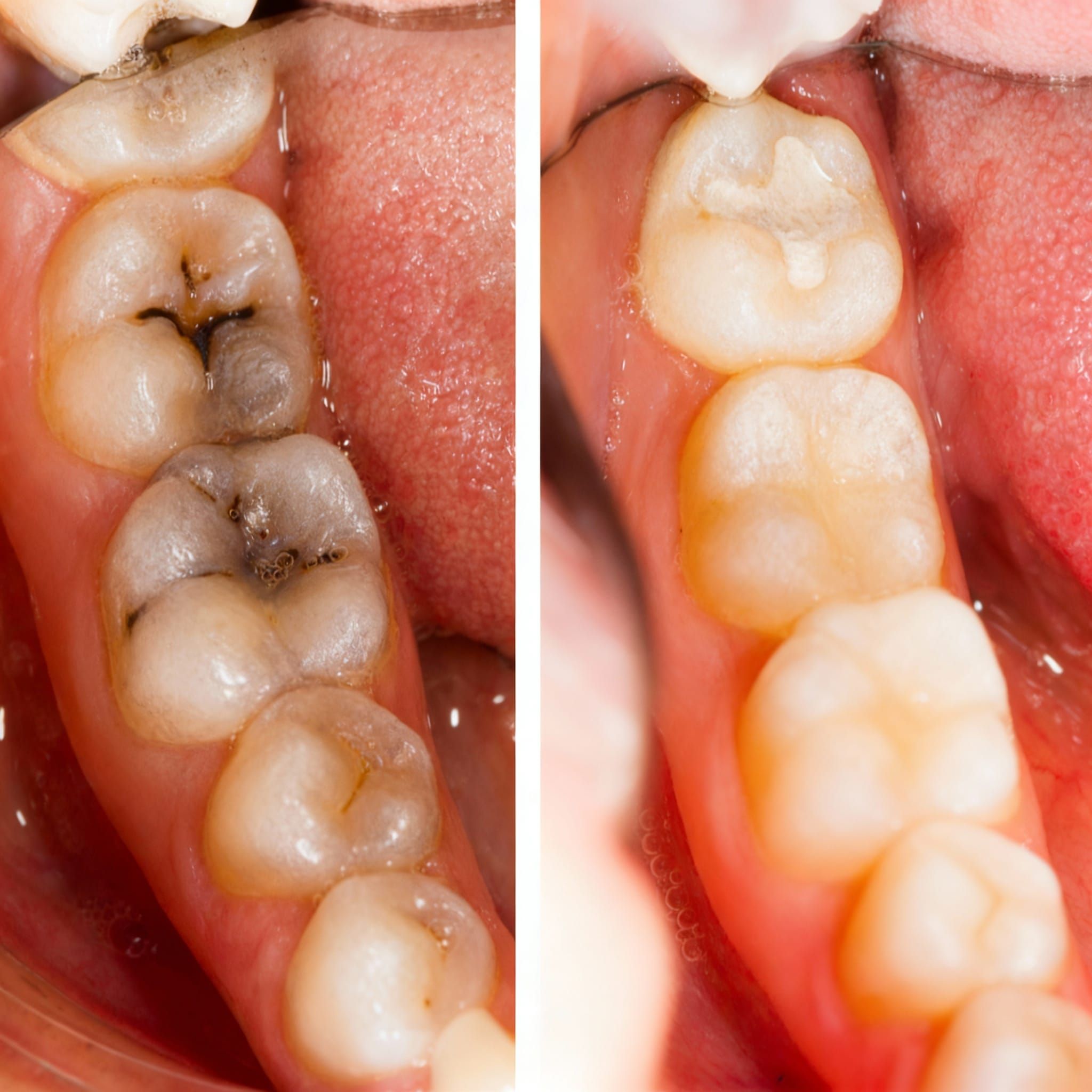
Why Choose Composite Fillings?
- Aesthetic Appeal: Blends with your natural teeth for a subtle, seamless look.
- Bonds to Tooth Structure: Provides additional support by adhering to enamel and dentin.
- Conservative Preparation: Less healthy tooth removal than with some metal fillings.
- Reduced Sensitivity: Resin material helps insulate against temperature changes.
- Repairable: Minor chips or wear can often be fixed without full replacement.
Expert Care
Personalized treatment by Dr. Nguyen
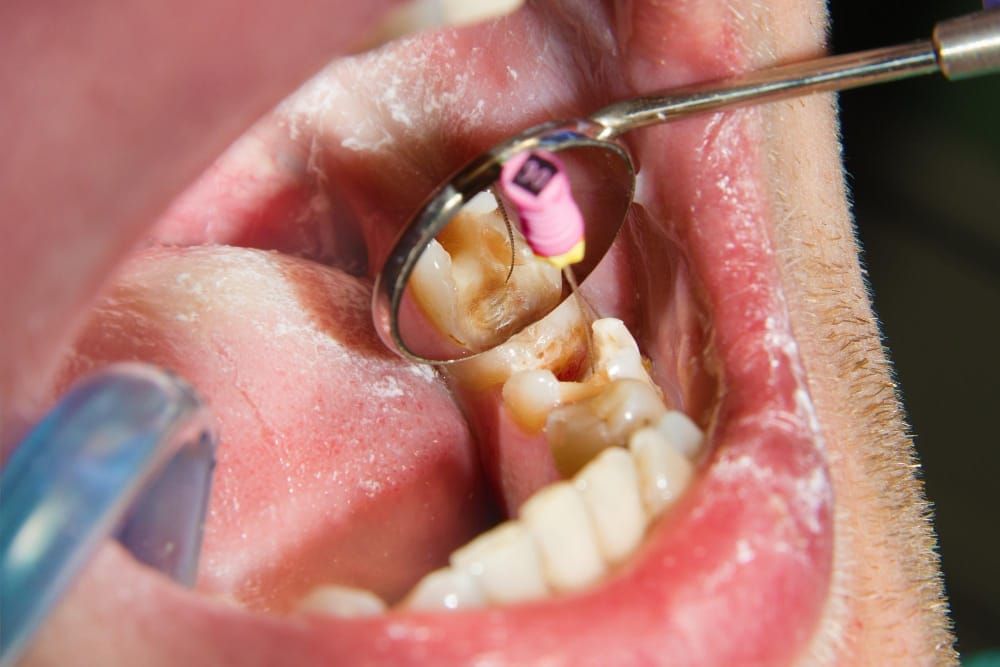
Expert Care
Personalized treatment by Dr. Nguyen
Our Composite Filling Process
Here is what you can expect when receiving a composite filling with Dr. Nguyen:
- Consultation & Shade Matching: We pick a composite shade that matches your natural tooth.
- Decay Removal & Tooth Prep: We remove decay and gently prepare the area while preserving healthy enamel.
- Etching & Bonding: A bonding agent is applied to create micro-mechanical adhesion with the composite.
- Layered Composite Application: Resin is placed in thin layers, then cured (hardened) under a specialized light.
- Shaping & Polishing: We refine the contour, polish, and check your bite for comfort.
Ready to get started?
Schedule a consultation and take the first step toward better oral health.



Longevity, Limitations & Maintenance
When a Tooth-Colored Filling Is the Right Choice
A composite filling is commonly recommended when decay or a small fracture can be repaired without covering the entire tooth. Before treatment, Dr. Nguyen checks the size and location of the damaged area, the strength of the remaining enamel, your bite, and whether an older restoration is leaking or worn.
Very large cavities may need a porcelain inlay, onlay, or crown because those restorations can better support a weakened tooth. If decay reaches the nerve, root canal therapy may be considered before the tooth is restored. During your visit, we will show you the findings and explain the most conservative predictable option, expected maintenance, and alternatives so you can make an informed decision.
After a filling, numbness may last for a few hours, so wait until normal sensation returns before chewing. Mild temperature sensitivity can occur briefly as the tooth settles. The restoration should feel comfortable when you bite; contact us if the tooth feels high, the bite remains tender, or sensitivity is increasing instead of improving. Daily brushing with fluoride toothpaste, cleaning between the teeth, and routine examinations help us monitor the filling's edges and the surrounding tooth.
Frequently Asked Questions
Related Articles
Expert insights and tips from our dental team
 dental fillings
Dec 25, 2024
Filling Still Hurts? Why Pain After a Filling Is Normal
Tooth pain after a new filling is common but should fade in days. Learn when post-filling sensitivity is normal and when it means you need to see your dentist.
Read article tooth decay
Oct 15, 2024
Hollow Tooth? 5 Warning Signs of Hidden Decay Inside
A tooth that sounds hollow when tapped may have hidden decay. Learn the 5 warning signs of internal cavities and why early treatment prevents tooth loss.
Read article tooth anatomy
Jan 7, 2026
Are Teeth Hollow? What's Actually Inside Your Tooth
Ever wondered if teeth are hollow inside? Learn about tooth anatomy, what's beneath the enamel, and why a tooth might feel or sound hollow when tapped.
Read article