
The honest answer to "what are the dental cleaning benefits I actually get?" is: the ones you cannot see. A six-month visit is not really about the polish at the end. It is about scraping off tartar you cannot reach, catching cavities while they are still fixable with a filling instead of a crown, and screening for gum disease and oral cancer in the window where they are still silent. What you feel afterward — smoother teeth, fresher breath — is the smallest part of what the visit did.
I'm Dr. Teah Nguyen, and at Acorn Family Dental Care in Berkeley we see the same pattern every week: patients who skipped cleanings for two or three years come in expecting a scrub and leave with a treatment plan. This post explains what those six-month visits actually prevent, why brushing and flossing on their own cannot replace them, and how to tell when you need to come in more often than twice a year.
What Builds Up Between Cleanings — Even With Good Home Care
Plaque is soft. You can wipe it off with a toothbrush and floss. Tartar (the technical name is calculus) is plaque that has hardened by pulling minerals out of your saliva. Once it hardens — which starts in as little as 24 to 72 hours in the spots you miss — a toothbrush cannot touch it. It can only be scraped off with an ultrasonic scaler or a hand instrument. That is the mechanical step at the center of every cleaning.
Even the most careful patient builds tartar in three predictable places: the tongue-side of the lower front teeth (a saliva gland empties there), the cheek-side of the upper molars (another saliva gland), and along the gumline where the toothbrush bristles never quite reach. A hygienist can show you your own tartar on the mirror at the end of the visit. Most patients are surprised — they brushed that morning.
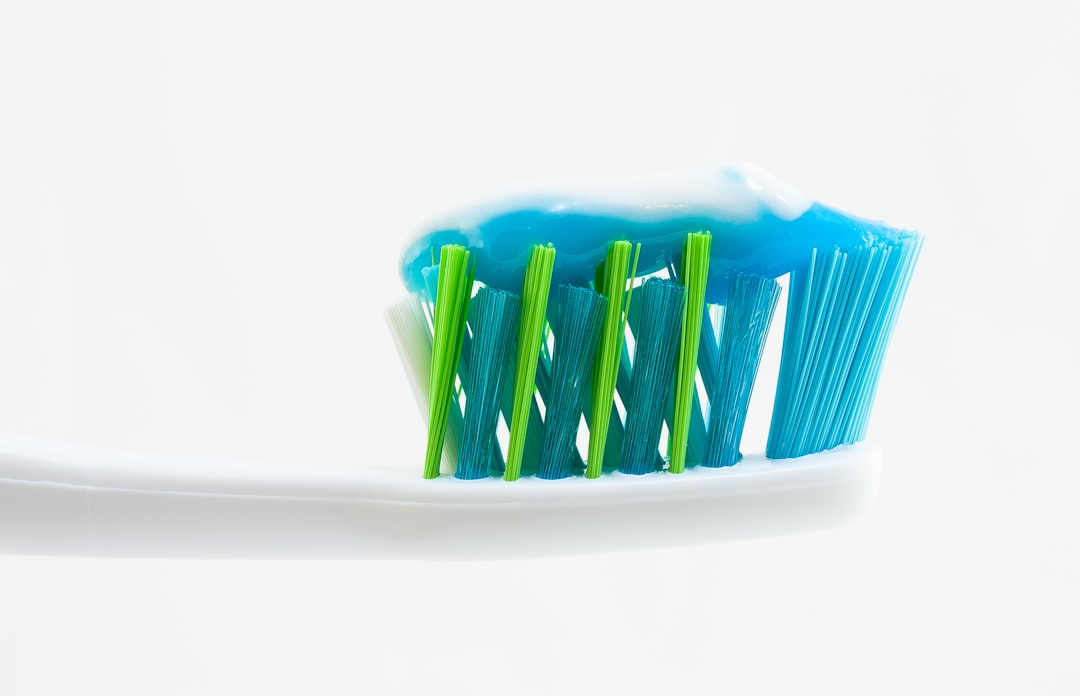
Photo by William Warby on Unsplash.
Left alone, tartar does two things. It roughens the tooth surface, which gives fresh plaque a better place to stick — so buildup speeds up over time. And it slides down under the gumline, where it holds bacteria against the root surface 24 hours a day. That is the doorway to gum disease. This is the first of the quiet dental cleaning benefits: the buildup gets removed before the bacteria have a permanent address.
What Your Hygienist Catches That You Cannot
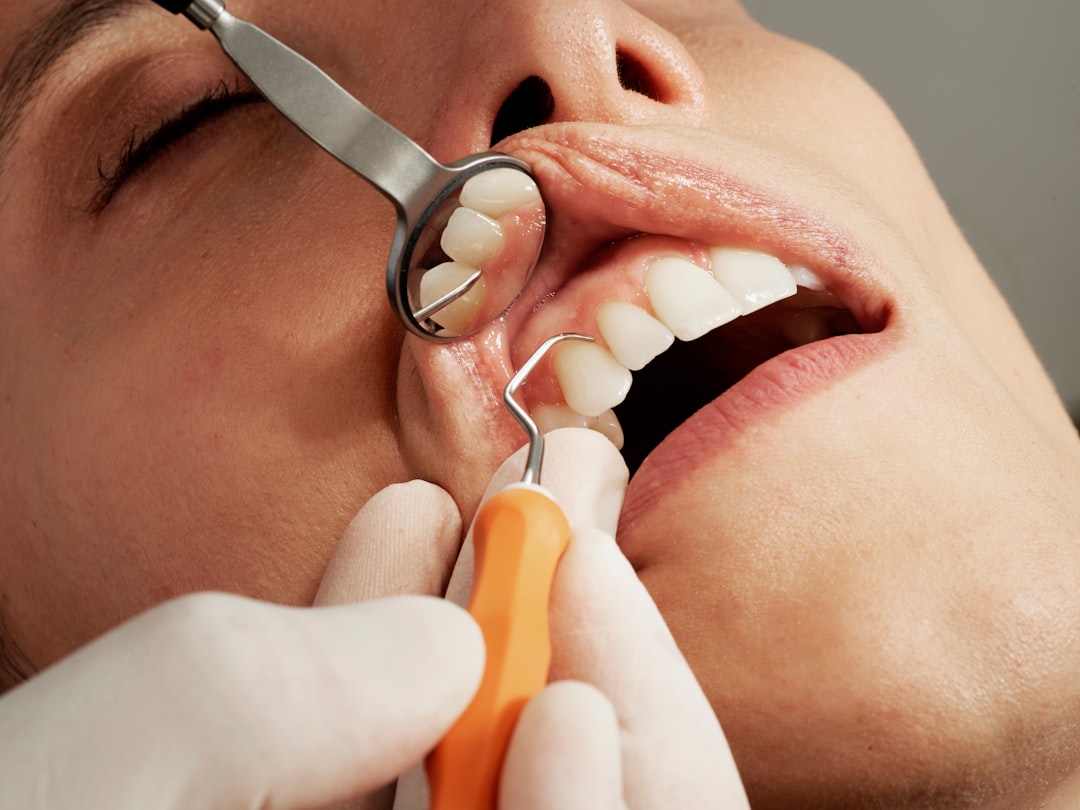
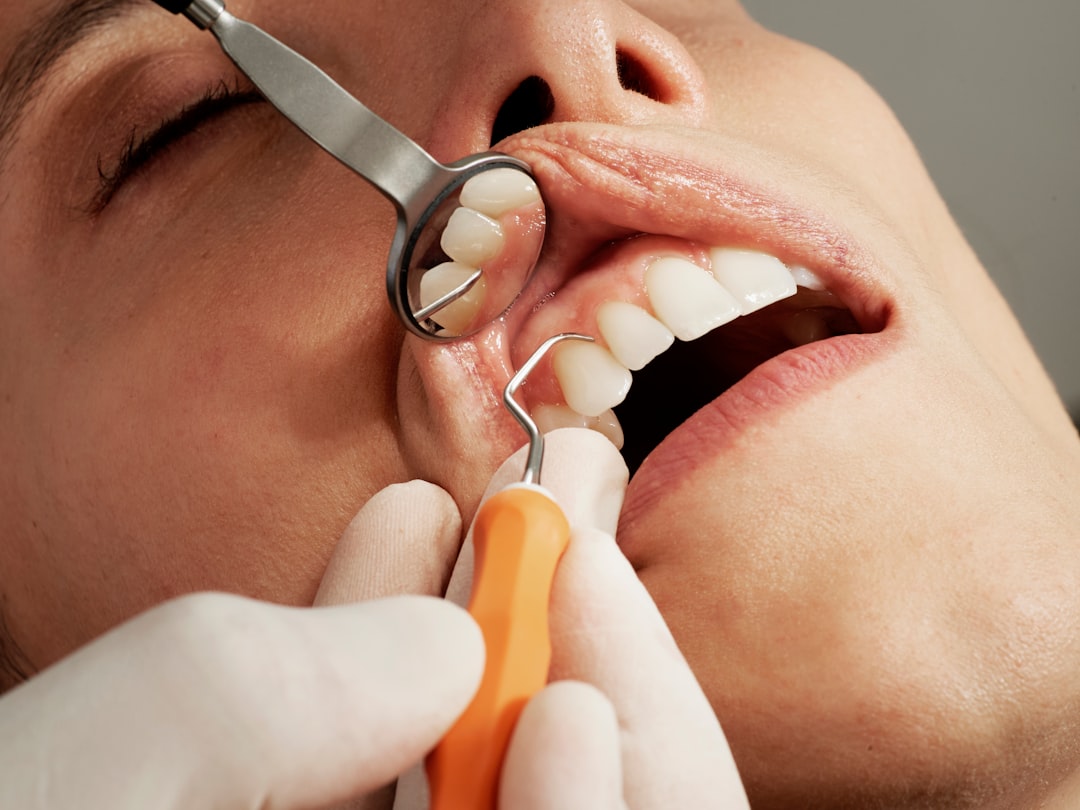
The exam that comes with a cleaning is not a formality. Between the periodontal probe, the X-rays taken every 12 to 24 months, and the soft-tissue check, we are screening for four things you cannot feel yet.
Small cavities. A cavity does not hurt until it reaches the nerve. Between the enamel and the nerve is a slow zone where the decay is real but silent, and this is exactly when a $250 filling can handle it. Miss that window and the same tooth needs a root canal and a crown — a $2,500 to $3,500 job. Bitewing X-rays every year or two are how we see between the teeth, where a mirror and a light cannot.
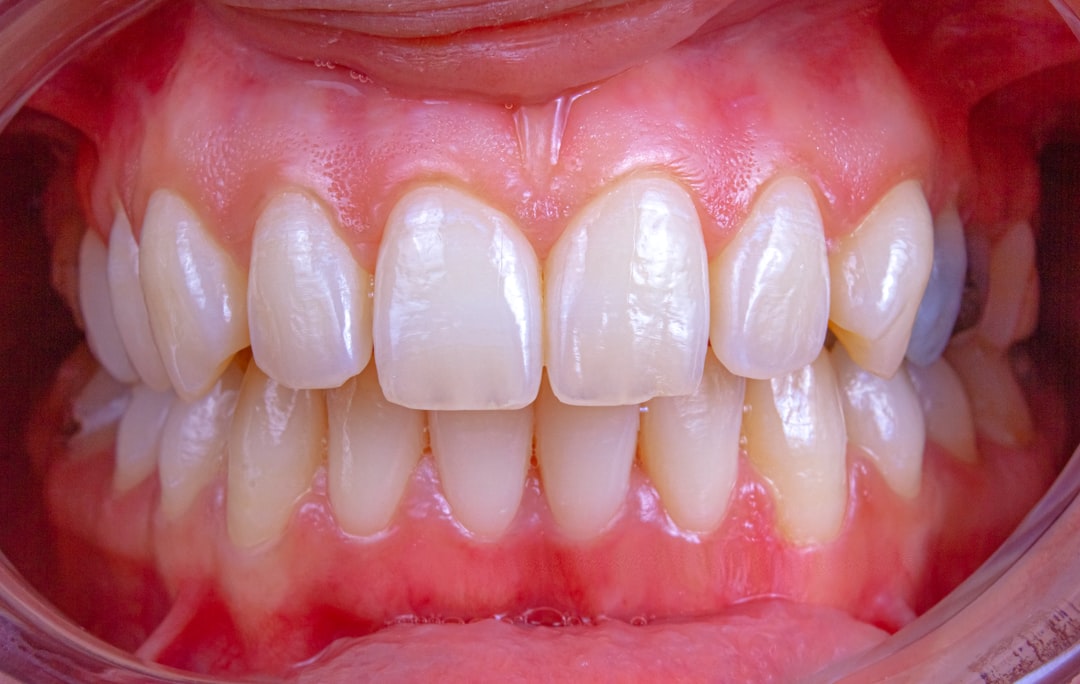
Early gum disease. Gingivitis (bleeding gums, no bone loss yet) is fully reversible with a cleaning plus better home care. Periodontitis (pockets 4mm or deeper with bone loss) is not — it is a chronic condition that only gets managed, not cured. The periodontal probe is a small ruler that measures how deep the gum attaches to the tooth. Three to four millimeters is healthy. Five and up means we need to talk. For a full walkthrough of that difference, see how we decide between a deep cleaning and a regular cleaning.
Oral cancer. Every cleaning includes a soft-tissue exam — under the tongue, the floor of the mouth, the sides of the cheeks, the back of the throat. The National Cancer Institute notes that early-stage oral cancer has a five-year survival rate above 85 percent, while late-stage drops below 40 percent. The dentist is one of the only medical providers who looks in that mouth twice a year.
Cracked fillings, worn teeth, bite changes. Old amalgam fillings shrink and crack over 15 to 20 years. Night grinding wears down molars. The way your teeth come together shifts as you age. All of these are easier to fix while they are small — and they are only visible during an exam.
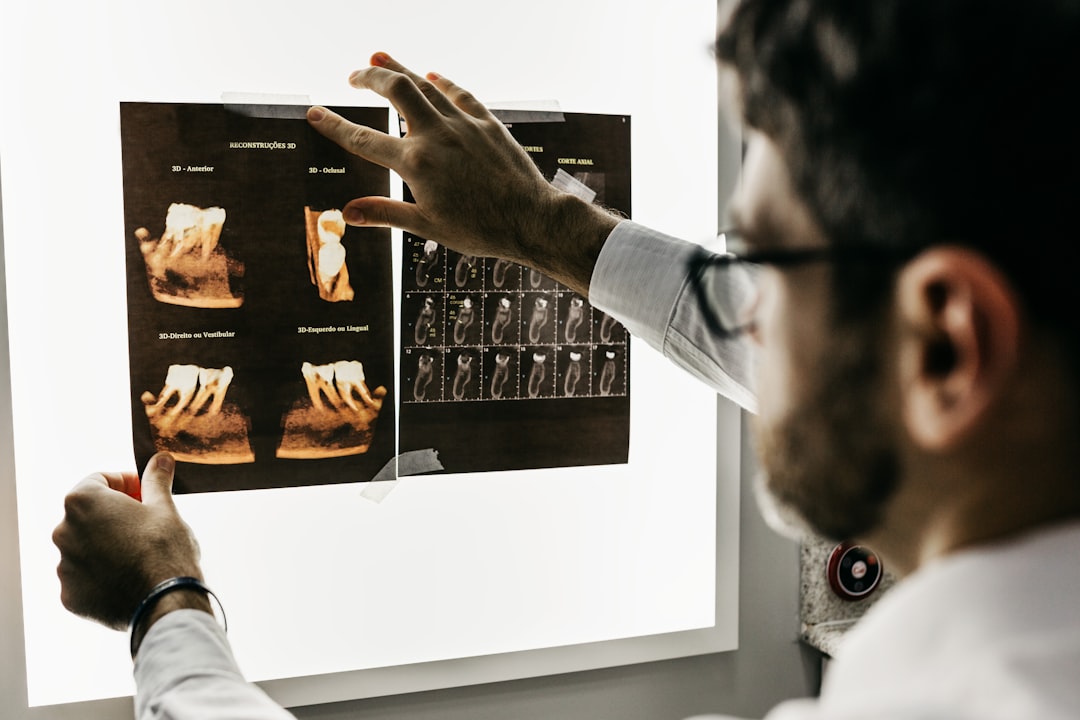
Photo by Jonathan Borba on Unsplash.
The Cost of Prevention vs the Cost of Repair
This is where the numbers get clean. In Berkeley, a routine cleaning and exam is $150 to $250 out of pocket without insurance. Most PPO plans cover it at 100 percent. Two visits a year is your full preventive spend.
Here is what the alternative looks like when a small problem is missed for two or three years:
- Filling: $200 to $400 per tooth
- Crown: $1,200 to $1,800 per tooth
- Root canal plus crown: $2,500 to $3,500 per tooth
- Scaling and root planing (deep cleaning) for gum disease: $1,000 to $1,600 for a full mouth
- Dental implant to replace a tooth lost to decay or gum disease: $3,500 to $6,000
Two cleanings a year for ten years costs less than a single crown. The math is not close. And the dental cleaning benefits compound — a mouth that has been kept clean for a decade needs fewer fillings, fewer crowns, and rarely any of the big-ticket work above. This is why why dental cleanings matter comes back to money as much as health.
If you are trying to decide whether the visit fits your budget, we lay out the pricing and insurance breakdown in how much a dental cleaning costs in Berkeley with and without insurance. For families managing multiple appointments, our affordable dental care page covers payment plans and dental savings memberships.
Who Needs More Than Two Visits a Year
Six months is the default, not a rule. A few groups need to come in every three or four months instead. If you fit one of these, ask your dentist about a shorter recall schedule at your next visit.
- Diagnosed periodontal disease. Once you have had a deep cleaning, you switch to periodontal maintenance every three to four months. The bacteria that caused the disease repopulate the pockets in 90 to 120 days, and the tighter schedule is what keeps them from re-establishing.
- Diabetes. High blood sugar feeds oral bacteria and slows healing. The CDC lists gum disease as a common complication of diabetes.
- Pregnancy. Hormone shifts make gums more reactive, and a mid-pregnancy cleaning is standard.
- Smokers and vapers. Tobacco masks gum bleeding, which is the earliest warning sign of gum disease — so buildup and inflammation progress silently between visits.
- Dry mouth from medications. Antidepressants, blood pressure drugs, antihistamines, and dozens of others reduce saliva. Less saliva means faster tartar buildup and more cavities.
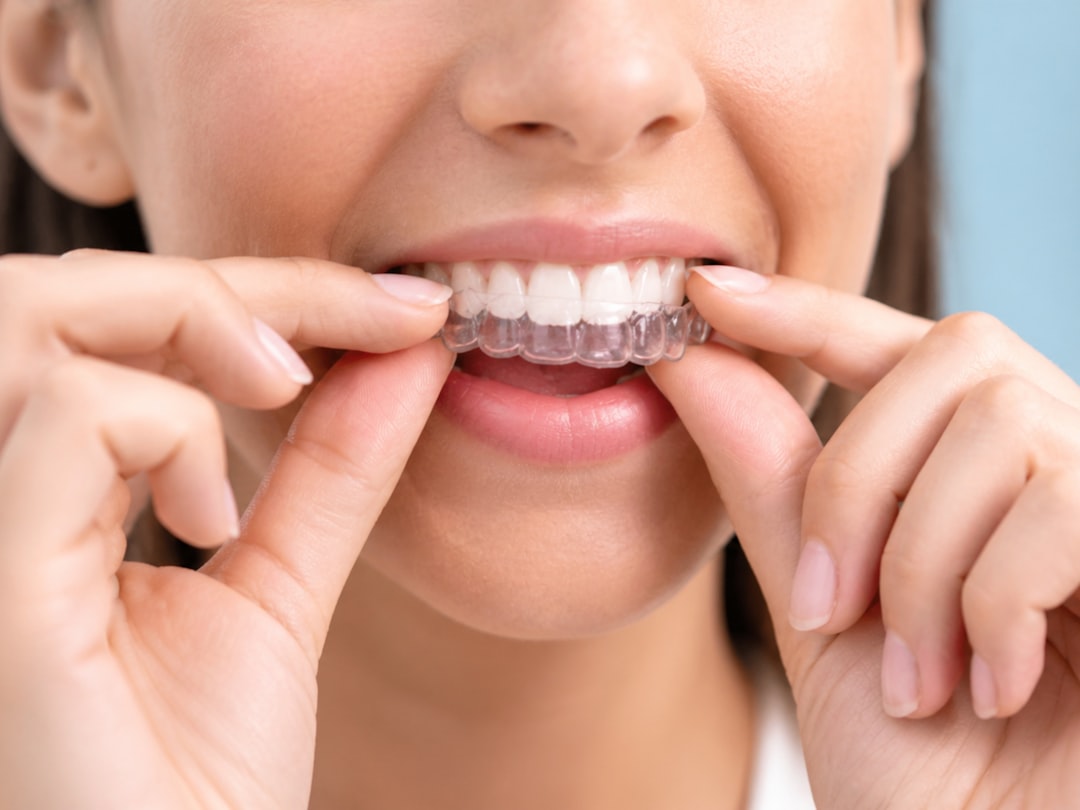
- Braces or Invisalign patients. Wires and aligners trap plaque. Ask about Invisalign home-care specifics if you are in treatment.
- Chronic bad breath. If you have persistent halitosis despite good brushing, the smell is usually coming from below the gumline or from the back of the tongue. See our halitosis treatment page — a shorter cleaning interval is part of the workup.
What Dental Cleanings Prevent Over a Decade — the Longer View
Zoom out ten years and the dental cleaning berkeley patients who kept up with six-month visits look very different from the ones who did not. Not because their teeth are magically stronger — because problems got caught at year one instead of year three. A cavity found at a routine cleaning is a filling. The same cavity found when it starts to ache is often a crown or a root canal. Bleeding gums caught at a cleaning is a home-care conversation. The same bleeding, ignored for three years, is bone loss on X-rays and a periodontal treatment plan.
This is really what what dental cleanings prevent means. Not "prevent all dental problems ever" — teeth still crack, gums still recede, life happens. It means "shift almost every problem into its cheapest, easiest, least invasive version." That is the compound interest of preventive dentistry.
Frequently Asked Questions
- What are the main dental cleaning benefits I can't see or feel? Tartar removal below the gumline, early cavity detection, and oral cancer plus gum disease screening — all silent until they aren't.
- Why do dental cleanings matter if I brush and floss well? Brushing removes plaque; it cannot remove tartar, which hardens in 24 to 72 hours in the spots you miss.
- How often dental cleaning is enough? Every six months if your gums are healthy; every three to four months if you have gum disease, diabetes, are pregnant, smoke, or take medications that dry your mouth.
- What does a dental cleaning actually prevent? Gingivitis turning into periodontitis, small cavities turning into crowns or root canals, and missed oral cancer or bite problems.
- How much do I save by keeping up with six-month cleanings? Two cleanings a year for ten years costs less than a single crown — and preventive visits are usually 100 percent covered by PPO insurance.
- Who needs cleanings more often than every six months? Anyone with diagnosed gum disease, diabetes, pregnancy, tobacco use, dry mouth, braces or aligners, or chronic bad breath.
Book a Cleaning in Berkeley
If your last cleaning was more than nine months ago, it is worth coming in. We will run a full periodontal chart, take updated bitewings if you are due, and go through what we find with you before we recommend anything. Book a cleaning with Acorn Family Dental Care — Tuesday and Wednesday appointments run until 7 PM for working schedules.