
You come in and say the same sentence I hear most weeks in Berkeley: "I think I need a root canal, but I'm not sure — it might just be nerve damage." That is a smart way to describe it, because those two ideas cover almost every unhappy tooth that walks into our office. The tricky part is that they can feel very similar for a day or two, then diverge sharply. The question of root canal or nerve damage is really a question about whether the nerve inside your tooth is still alive and screaming, or whether it has already gone quiet — and each answer points to a different treatment.
Dr. Teah Nguyen has been running these tests at Acorn Family Dental Care since taking over the practice in 2021, and the diagnostic path is short and repeatable. This post walks you through it the same way I walk a patient through it in the chair, so you know what to expect before you even sit down.
What "Root Canal or Nerve Damage" Actually Means
These are two different states of the same nerve. The nerve inside a tooth — called the pulp — is a soft bundle of blood vessels and sensory fibers packed into a narrow canal from the crown of the tooth down to the tip of the root. When decay, a crack, or a deep filling irritates that pulp, one of two things happens.
The first is pulpitis: the nerve is alive, inflamed, and angry. Pressure builds inside a canal that cannot expand, so every heartbeat is felt in the tooth. This is the classic "I need a root canal" pain — sharp, throbbing, worse at night, worse with cold. The pulp is still alive but past the point where it can calm down on its own.
The second is pulp necrosis: the nerve has died or is dying. It stops sending signals. The tooth goes quiet, may darken from the inside out, and often stops responding to cold entirely. Some patients feel relief and think the problem solved itself; it did not. A dead pulp is a sterile pocket that bacteria eventually colonize, and that is when the abscess shows up.
Both usually end up needing the same treatment — non-surgical root canal therapy. The reason it matters which one you have is timing. A live-but-inflamed tooth gets us this week. A dead-quiet tooth still needs treatment, just before infection spreads to the bone.

The 4 Chair Tests I Run to Tell Root Canal From Nerve Damage
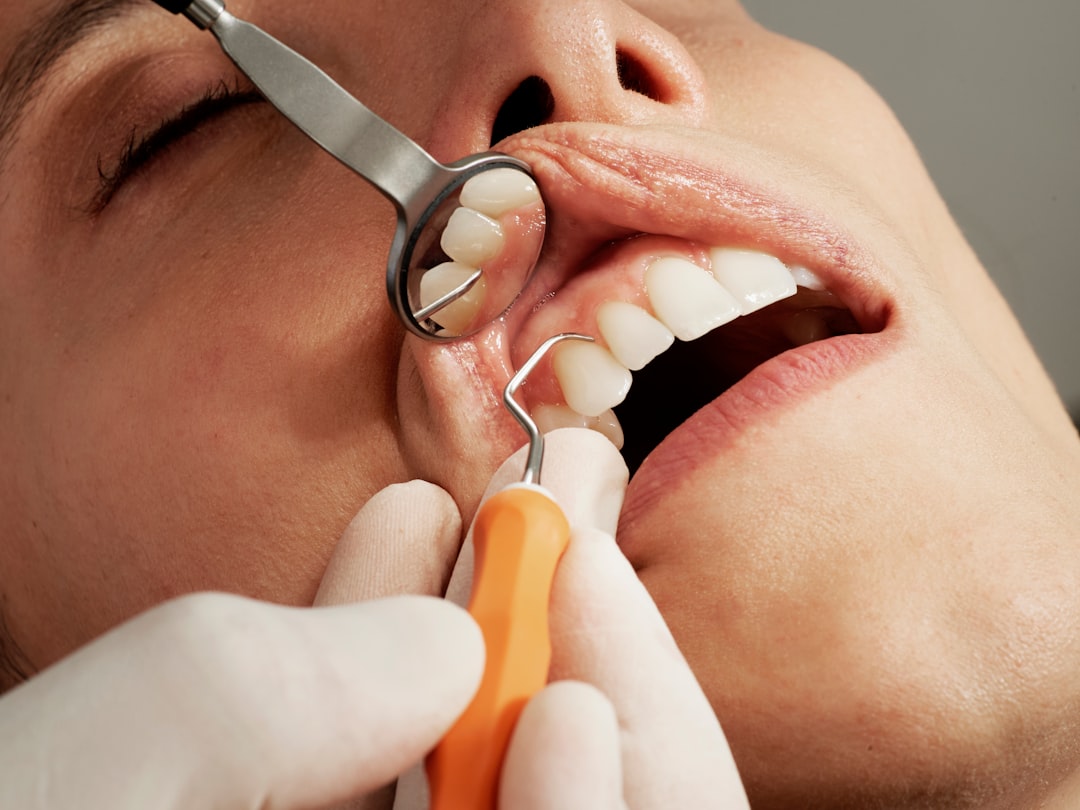
Here is the sequence we work through, in the order I actually do it. None of it takes more than five minutes.
- Cold test. A small cotton pellet with a refrigerant is touched to the tooth for one to two seconds. A live, healthy nerve reacts and settles in under 10 seconds. A live, inflamed nerve reacts hard and keeps aching for 30 seconds or more — that is the root canal signal. A dead nerve does not react at all — that is the nerve damage signal.
- Bite test. You bite down on a small plastic stick, one cusp at a time. Sharp pain on release, or a specific cusp that lights up, points to a cracked tooth or a nerve on the edge. Dull, dampened biting on a tooth that used to feel normal points to a nerve that has already died.
- Percussion tap. I tap the tooth with the handle of a mirror. Soreness on tapping means the infection has reached the ligament around the root — a stronger signal that treatment is needed soon regardless of which nerve state we are in.
- X-ray. A single periapical image shows the tip of the root and the bone around it. Details in the next section.
Nine times out of ten, those four tests point clearly to one story or the other. The tenth time, we wait a week and repeat — nerves in transition sometimes need a rerun to declare themselves.
What the X-Ray Does — and Doesn't — Show
An X-ray shows the shape of the tooth, the shape of the canal, and the bone at the tip of the root. It does not show whether the nerve is alive. This is the single most common source of confusion.
A live-but-inflamed nerve often shows a completely normal X-ray. Nothing to see. That is why the cold and bite tests carry so much of the diagnosis. A dead nerve, on the other hand, eventually shows a dark shadow — a widened ligament space or an actual round area of bone loss — at the tip of the root. When we see that shadow, we know two things: the nerve has been dead long enough for infection to erode bone, and root canal therapy needs to happen this month, not this year. That shadow is one of the classic signs you need root canal therapy, alongside lingering cold pain and a specific bite-down tenderness.
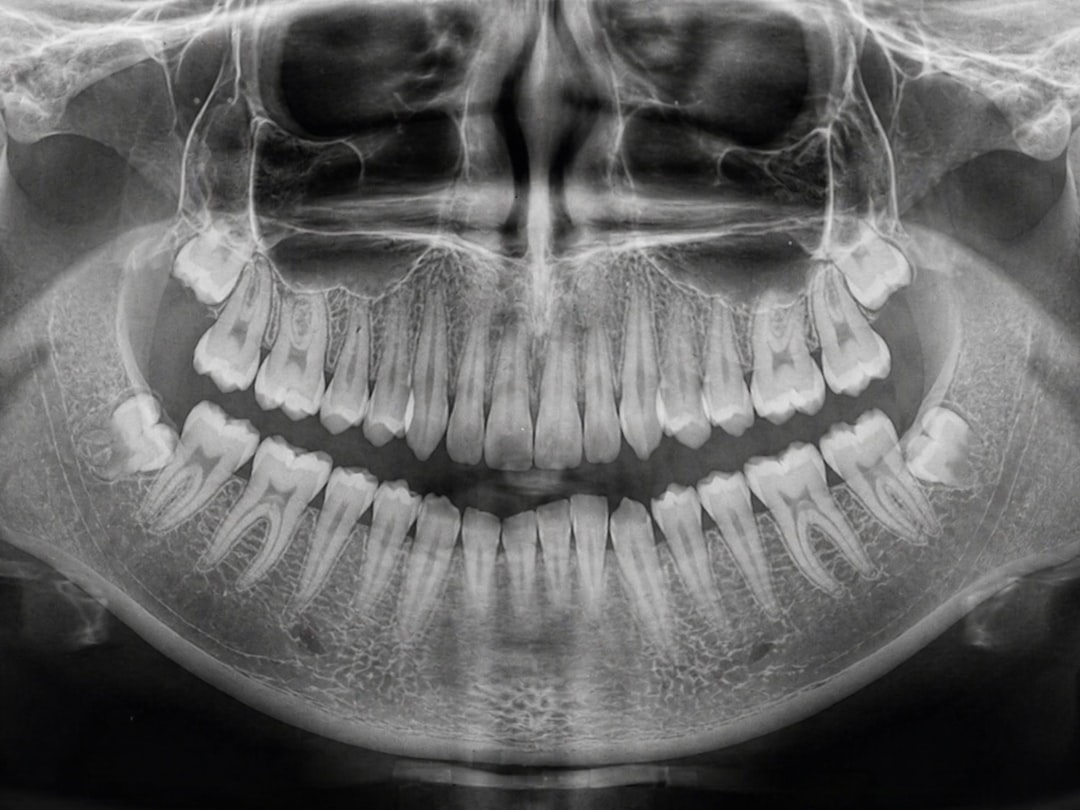
The American Association of Endodontists notes that this bone shadow is the clearest imaging sign of a non-vital tooth. If your dentist saw one and recommended treatment, that is why.
How Root Canal Pain and Nerve Damage Feel Different Day to Day
The chair tests are what confirm the diagnosis, but the story you tell me in the first two minutes usually predicts the answer. Here is what each one sounds like when a Berkeley patient describes it in their own words.
Root canal — a live, inflamed nerve:
- "It throbs. I felt it in my ear last night."
- "Cold water is a knife. Even breathing in cold air hurts."
- "It woke me up when I rolled onto that side."
- "I can't tell exactly which tooth it is — the whole side of my face aches."
Nerve damage — a dying or dead nerve:
- "It hurt for a few days last month, and now it doesn't. It just feels off."
- "Ice water feels like nothing on that tooth."
- "It looks a little gray compared to the one next to it."
- "I noticed a small bump on the gum above it."
If your description leans toward the second list, the tooth may be quietly heading toward infection — a variation of the same signal we discuss in why a tooth feels numb but doesn't hurt. The absence of pain is not the same as the absence of a problem.
When It Is Neither — Look-Alikes We Rule Out First
Not every unhappy tooth is a nerve issue. Before we call it root canal or nerve damage, we check for three common look-alikes: a high bite from a recent filling, a cracked cusp that needs a crown, and sinus pressure referring pain to the upper back teeth. A bite adjustment or a bonded repair fixes a good number of the "I think I need a root canal" visits in our chair. For a broader list of what patients confuse with root canal symptoms, see our post on the signs you need a root canal. And if the tooth in question has been numb since a recent filling, walk through why a tooth can feel numb before assuming the worst.
Why Choose Acorn Family Dental Care for Root Canal Therapy in Berkeley
Dr. Teah Nguyen took over the Berkeley practice in early 2021 from Dr. Dailley, who ran it for 34 years, and kept the same approach: comfort-first, no rushed diagnoses, and a 20-minute chair test before anyone commits to a treatment plan. Acorn Family Dental Care offers nitrous oxide sedation for anxious patients, stereo headphones during longer procedures, and extended hours on Wednesday until 7 PM. Our root canal therapy success rate sits above 95%, and we walk you through every X-ray finding before treatment begins. Serving Berkeley, Oakland, Albany, El Cerrito, Emeryville, and Alameda.
Frequently Asked Questions
- How do you tell the difference between root canal and nerve damage? Cold test, bite test, percussion tap, and X-ray. A live-but-inflamed nerve reacts hard and lingers on cold; a damaged nerve does not react at all.
- Can nerve damage in a tooth heal on its own? A bruised nerve can settle in 4–8 weeks. A dead-quiet nerve is not healing — it is shutting down, and needs treatment before infection sets in.
- Does a dead nerve always need a root canal? Almost always. The empty pulp space attracts bacteria the bloodstream can no longer reach.
- What does nerve damage in a tooth feel like? Most patients describe it as the tooth "going quiet" — no reaction to cold, dampened biting, sometimes a slight gray tint.
- Can a root canal fix nerve damage? Yes — a root canal is the standard fix for a nerve that is either inflamed past recovery or already dead.
Not sure which one you're dealing with? Call Acorn Family Dental Care in Berkeley and mention that you'd like a root canal or nerve check — we'll fit you in that week for a 20-minute diagnostic visit.