


If you've been dealing with an aching tooth and wondering whether it'll just go away on its own — it usually won't. Tooth pain is your body's way of telling you something inside the tooth is wrong, and the longer you wait, the fewer options you'll have. The seven signs you need a root canal below are the symptoms patients describe most often when they finally come in.
At Acorn Family Dental Care in Berkeley, Dr. Teah Nguyen sees patients every week who waited too long because they hoped the pain would resolve on its own. Most of the time, it doesn't — it just changes character as the infection moves deeper. Catching these signs early is the difference between a routine root canal and an emergency that costs a tooth.
What a Root Canal Actually Does (and Why It's Needed)
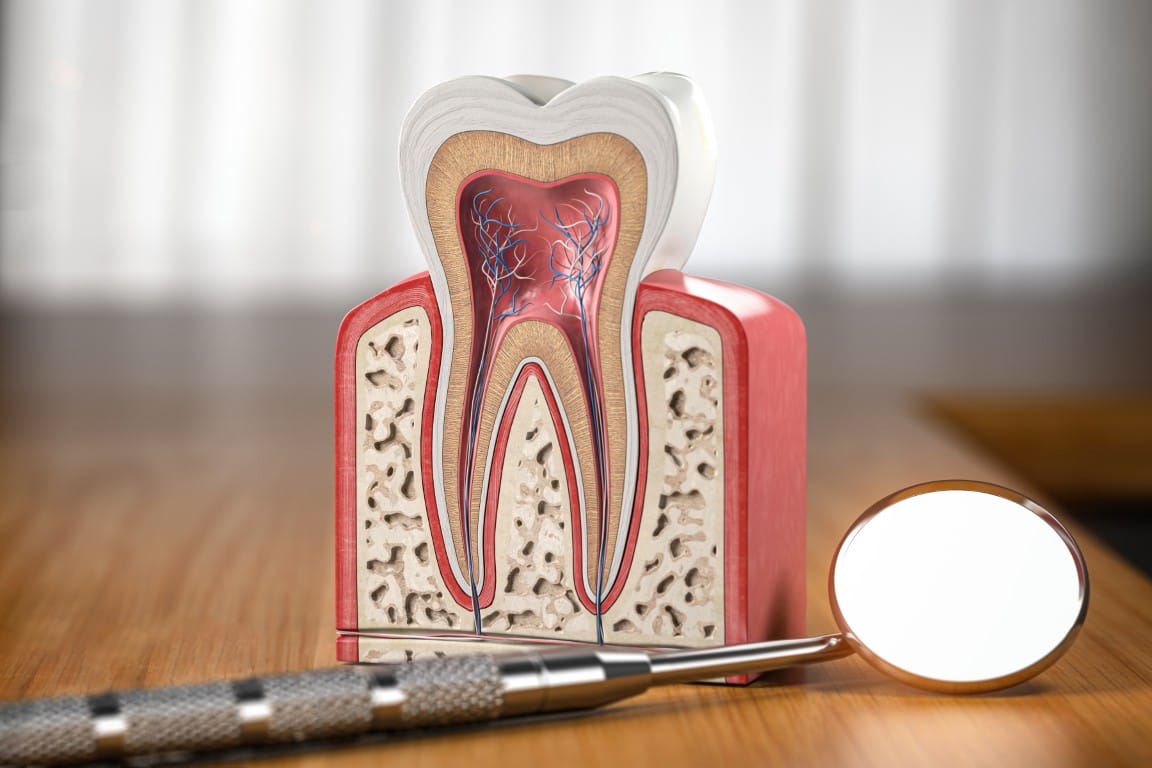
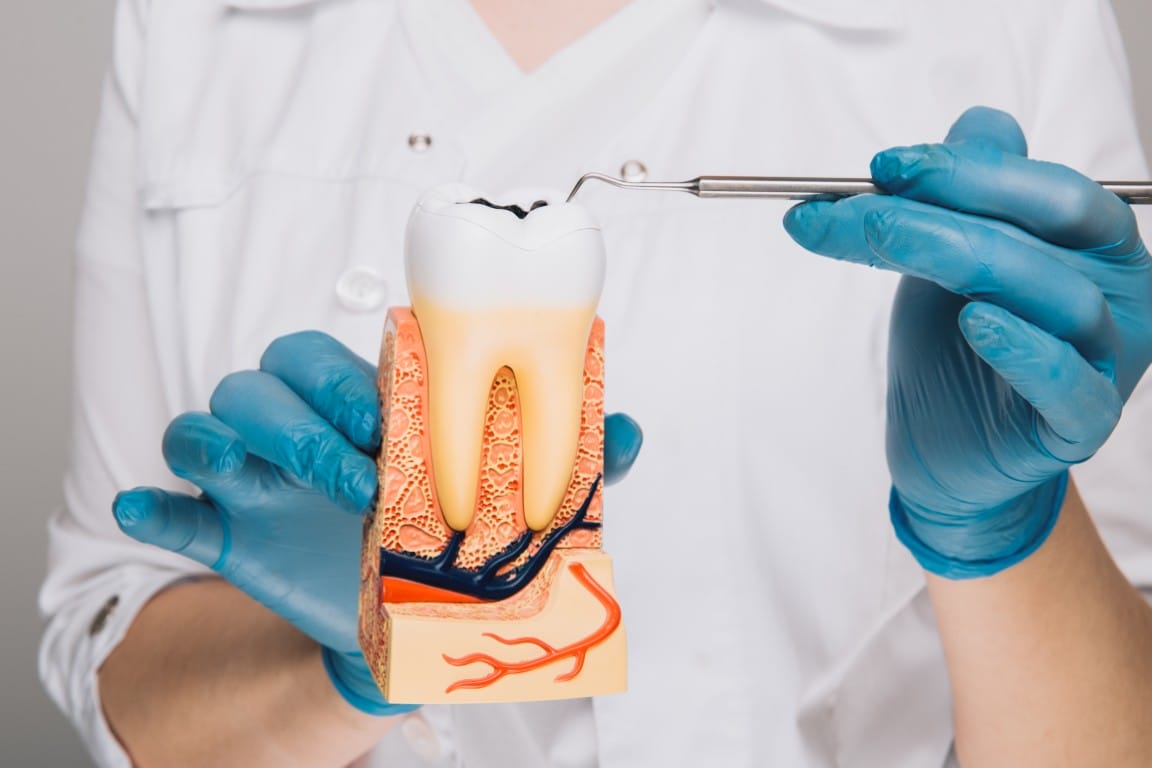
Inside every tooth is a soft tissue called the pulp — a network of nerves and blood vessels that kept the tooth alive while it was forming. When deep decay, a crack, or repeated dental work lets bacteria reach the pulp, it becomes inflamed or infected. That's when you start feeling pain.
A root canal is the procedure that removes the infected pulp, disinfects the inside of the tooth, and seals it so bacteria can't return. The tooth itself stays in your mouth — only the diseased tissue inside is removed. Done early, it's a routine, predictable treatment that relieves pain. Done late, it can become an emergency. Learn more about the procedure and what to expect on our root canal therapy page.
7 Warning Signs You May Need a Root Canal
One of these symptoms doesn't always mean you need a root canal. But if you're noticing two or more — especially if they're getting worse — it's time for an exam.
1. Persistent Toothache That Won't Go Away
A normal twinge from biting something cold passes in seconds. A toothache that throbs for hours, wakes you up at night, or returns every day is a different story. Pulp inflammation creates a constant, deep ache because the swollen tissue has nowhere to expand inside the tooth.
Pain that radiates to your jaw, ear, or temple on the same side is especially telling. The trigeminal nerve doesn't always tell your brain exactly where the problem is — sometimes a lower molar feels like an earache, and a top molar feels like a sinus headache.
2. Lingering Sensitivity to Heat or Cold
Healthy nerves react to hot coffee or ice cream and recover within a couple of seconds. With pulp inflammation, the sensation lingers for 30 seconds or more — sometimes building into a throbbing pain that lasts several minutes after the trigger is gone.
Sensitivity to heat in particular is a strong indicator. Hot drinks expand the gases produced by infection inside the tooth, which is why patients often say "hot coffee is unbearable, but cold water actually helps." That swap is a classic sign the pulp is dying.
3. Swollen or Tender Gums Around One Tooth
Gums that are puffy, red, or sore around a single tooth — not your whole mouth — usually mean infection is leaking out of the root tip into the surrounding tissue. You may notice the tooth feels slightly raised or "different" when you close your jaw.
This is different from gum inflammation caused by plaque, which tends to affect a wider area. Localized swelling around one tooth is structural — and it doesn't resolve with better brushing.
4. Tooth Darkening or Discoloration
A tooth that's turned gray, brown, or yellowish — especially compared to the teeth on either side of it — has often suffered internal trauma or pulp death. Without a healthy blood supply, the tooth literally loses its color from the inside out.
This sometimes shows up months or years after a fall, sports injury, or hard bite. The tooth may not have hurt at the time, but the nerve was damaged and is slowly dying. Once discoloration appears, a root canal is usually the only way to save the tooth and restore its appearance.
5. Sharp Pain When You Bite Down or Chew
If chewing on one side of your mouth produces a sudden, sharp jolt — and you've started avoiding that side without thinking about it — the pulp may already be inflamed. Pressure on an infected tooth pushes against swollen pulp tissue and triggers immediate pain.
This symptom often shows up early, before constant aching sets in. If you catch it now, the treatment is simpler and the tooth is easier to save. If you ignore it, biting pain usually progresses to spontaneous pain within weeks.
6. A Pimple-Like Bump on Your Gum (Dental Abscess)
A small pimple, bubble, or blister on the gum near the root of a tooth is called a fistula — a drainage point for an active abscess. Infected pulp produces pus, and your body creates this opening to relieve the pressure.
The bump may come and go. It might drain a salty or bitter-tasting fluid, then disappear for days, then come back. This is not your body healing itself. The infection is still there, and now it has a path into your bloodstream. A dental abscess is one of the few oral conditions that can become a medical emergency, and it always requires treatment.
7. Deep Visible Decay in the Tooth
If you can see a large dark cavity, a broken filling, or a chipped section of tooth — and the area is sensitive — decay has likely reached or come close to the pulp. Once bacteria penetrate the pulp chamber, a filling alone won't seal off the infection.
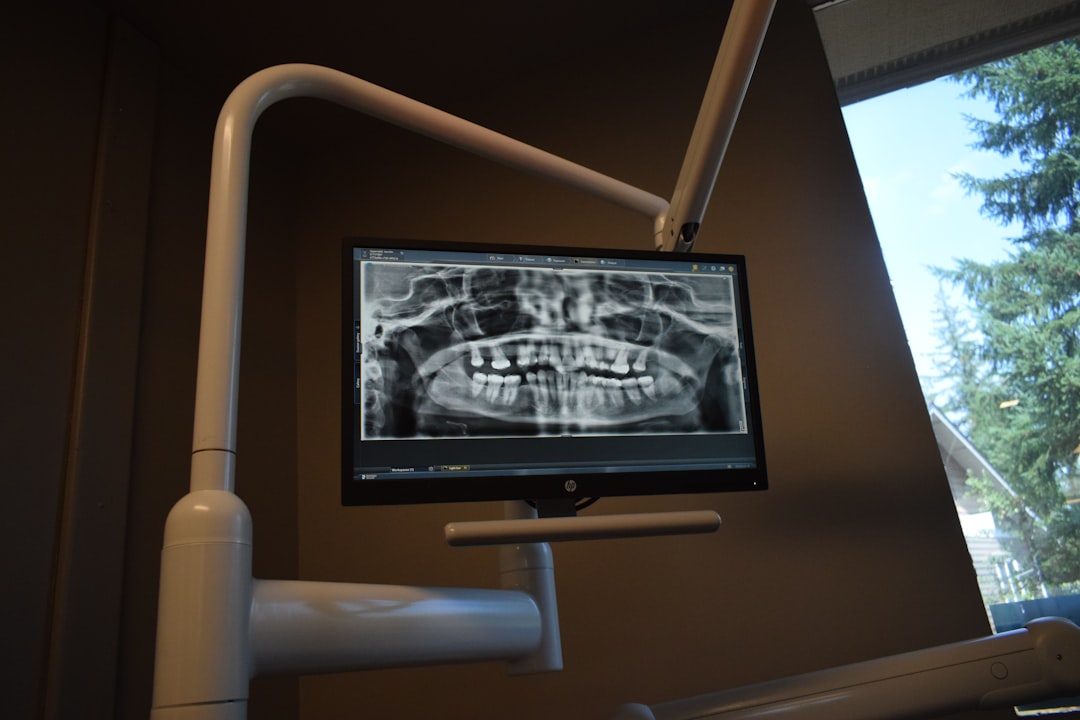
Sometimes the tooth doesn't hurt yet because the decay is still spreading inward. Visible damage that's bigger than a grain of rice deserves an X-ray, even without pain. Catching pulp involvement early often means a single appointment instead of an emergency visit.
What Happens If You Wait Too Long?
The biggest myth about tooth pain is that "if it stops hurting, it must be getting better." It rarely is. When pulp tissue dies, the pain often fades for a week or two — not because you're healed, but because the nerve is dead and can't signal pain anymore. The infection keeps moving.
The Infection Timeline: From Pulp to Jawbone
Here's roughly how an untreated infection progresses:
- Days 1–7: Pulp is inflamed. Sensitivity, biting pain, and throbbing are intense but treatable with a routine root canal.
- Weeks 1–3: Pulp dies. Pain often eases temporarily as the nerve loses function. Bacteria spread into the root canal system.
- Weeks 2–6: Infection exits the root tip into surrounding bone. An abscess forms. Swelling, fistula, and bad taste appear.
- Weeks 4+: Bone loss accelerates. The infection can spread to the jaw, sinus, neck spaces, or — rarely — the bloodstream.
Once bone loss starts, the tooth becomes harder to save and more expensive to treat. Losing the tooth altogether triggers a cascade — neighboring teeth shift, opposing teeth over-erupt, and the jawbone resorbs in the empty space. Our post on how losing one tooth affects the rest of your mouth walks through that process in detail.
Root Canal vs. Extraction: Which Is Better?
When a tooth is badly infected, you have two real options: save it with a root canal, or remove it and replace it. For most patients, saving the natural tooth is the better long-term choice. Here's why:
- Cost over time. A root canal plus crown is usually less expensive than an extraction plus implant or bridge — once you account for replacement.
- Function. No prosthetic chews, feels, or lasts quite like your natural tooth root anchored in healthy bone.
- Bone preservation. The natural root keeps stimulating the jawbone, preventing the bone loss that follows extraction.
- Speed. A root canal is one or two appointments; an implant takes 3–6 months from extraction to final crown.
Extraction makes sense when the tooth is fractured below the gumline, has severe bone loss, or has failed previous root canal treatment. In those cases, removal followed by an implant or bridge may be the right call. Dr. Nguyen will walk you through both options honestly — including alternative endodontic approaches like non-traditional root canal alternatives when they apply. The key is making the decision before the infection takes the choice away from you.
Is a Root Canal Really as Painful as People Say?
No. The reputation comes from decades-old technology and stories that have outlived the experience they describe. Modern root canals are performed under local anesthesia — the tooth is fully numb. What you feel is pressure, not pain. According to the American Association of Endodontists, patients who've actually had one rate it as no more uncomfortable than a routine filling.
If anxiety is what's keeping you out of the chair, that's worth saying out loud when you call. We offer nitrous oxide sedation, stereo headphones, and a slower, gentler pace for patients who need it. For more on what the procedure actually feels like, our post on root canal pain (and the reality vs. the rumor) covers it in plain language. And if dental fear has kept you away for years, our guide on how we help anxious patients in Berkeley explains the comfort options available before you even sit down.
What to Do Right Now if You Have These Symptoms
Tooth pain or swelling that won't quit?
Same-week appointments are usually available. Schedule online or call Acorn Family Dental Care — Dr. Nguyen will examine the tooth, take a quick X-ray, and walk you through your options before any treatment is recommended.
Call (510) 848-0114While you wait for your appointment:
- Take ibuprofen (if you can) — it's the most effective over-the-counter option for dental inflammation.
- Rinse with warm salt water a few times a day to keep the area clean.
- Avoid chewing on the affected side and skip very hot or very cold foods.
- Don't apply aspirin directly to the gum — it burns the tissue and doesn't help the pain.
- Watch for swelling that spreads to your face, neck, or eye, or a fever. These are signs of a serious infection — call us or go to urgent care immediately.
If you'd like to know what happens after the procedure, our root canal aftercare guide covers eating, pain management, and the day-by-day timeline.
Frequently Asked Questions
How do I know if I need a root canal vs. a filling?
Fillings treat decay that hasn't reached the nerve. A root canal is needed when the pulp inside the tooth is infected or inflamed — usually signaled by lingering sensitivity to hot or cold, spontaneous throbbing pain, swelling, or a pimple-like bump on the gum. Only an exam and X-ray can confirm which treatment your tooth needs.
Can a root canal heal on its own without treatment?
No. Once the pulp is infected, it cannot heal itself because the tooth's blood supply is restricted. Pain may temporarily fade as the nerve dies, but the infection continues to spread into the bone. Without a root canal or extraction, the infection will worsen and can become a serious medical issue.
How long can I wait before getting a root canal?
Don't wait. Once symptoms appear, the infection is already active and will spread. Most dentists recommend treatment within days, not weeks. Waiting risks abscess formation, bone loss, and the spread of bacteria beyond the jaw. Same-week appointments are usually available — call as soon as symptoms appear.
Is a root canal better than pulling the tooth?
Almost always, yes. Saving the natural tooth preserves your bite, jawbone, and neighboring teeth. Extraction is faster but leads to bone loss and shifting teeth — and replacing the tooth with an implant or bridge typically costs more than the root canal would have. Extraction makes sense only when the tooth is too damaged to save.
Will a root canal hurt?
No. The procedure is performed under local anesthesia, so you'll feel only pressure — not pain. The pain that brought you in (from the infected pulp) is what the root canal removes. Most patients say recovery feels easier than they expected, with mild soreness for a day or two.
How much does a root canal cost in Berkeley?
Cost depends on which tooth is treated — front teeth have one canal and are less complex than molars, which can have three or four. Most dental insurance plans cover a portion of root canal therapy. We provide a clear written estimate after your exam, and we'll review your insurance benefits with you before treatment begins.
Photos by engin akyurt, Fr0ggy5, and Werapinthorn Jaijan on Unsplash.