
One of the most common questions we hear from new patients at Acorn Family Dental Care in Berkeley is surprisingly simple: how much toothpaste am I supposed to use? People are usually shocked when I tell them the answer is "less than you think." I'm Dr. Teah Nguyen, and after years of watching patients squeeze a full ribbon onto the brush — exactly like the commercials — I want to set the record straight on what the amount of toothpaste actually does for your teeth.
The short version: the cleaning happens because of the fluoride and the brushing, not the volume of paste. But the details matter, especially if you have young children at home.
Why the Amount of Toothpaste Matters
Toothpaste is a delivery system. Its main job is to carry fluoride to the surface of your teeth and provide a mild abrasive that helps the brush lift away plaque and food debris. The fluoride is the active ingredient that strengthens enamel and reverses the earliest stages of decay. Everything else — the foam, the mint, the whitening claims — is secondary.
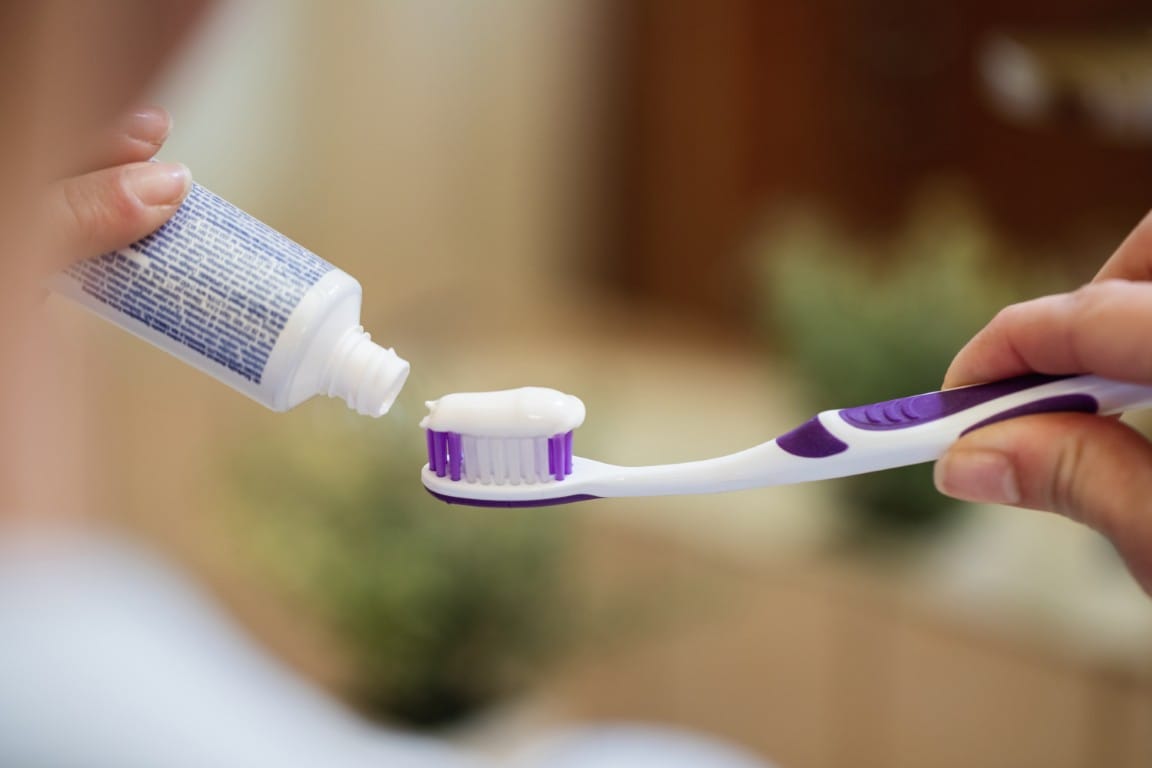
That's why the quantity isn't the lever most people think it is. A pea-sized amount of paste contains plenty of fluoride to coat every tooth in your mouth. Doubling or tripling that amount doesn't double the protection; it mostly produces extra foam. And here's the catch: heavy foam often makes people feel "done" early, so they spit and stop before they've brushed the full two minutes their teeth actually need.
How Much Should Adults Use?
For adults, aim for a pea-sized amount, and no more than a half-inch ribbon along the brush. Use a fluoride toothpaste — look for a concentration of 1,000 to 1,500 parts per million (ppm) of fluoride, which covers virtually every standard adult paste sold in the U.S.
Far more important than the amount is the routine around it:
- Brush twice a day — morning and before bed. The bedtime brushing is the one you never want to skip, because saliva flow drops while you sleep and bacteria have hours to work undisturbed.
- Brush for a full two minutes. Most people dramatically underestimate this. Try splitting your mouth into four quadrants and spending 30 seconds on each.
- Angle the bristles toward the gumline at about 45 degrees, where plaque loves to hide. Use gentle circles, not a hard back-and-forth scrub that can wear down enamel and irritate gums.
- Don't rinse hard afterward. Spit out the excess but leave a thin fluoride film behind. A big swish of water rinses away the very ingredient you just applied.
How Much Should Children Use?
This is where the amount genuinely matters for health, not just efficiency. Young children swallow a large portion of whatever toothpaste is on the brush, and too much fluoride while their permanent teeth are still developing under the gums can cause dental fluorosis — faint white streaks or spots on the enamel. It's usually mild and cosmetic, but it's permanent and entirely preventable.
- Children under 3: a thin smear about the size of a grain of rice. Brush their teeth for them and supervise closely.
- Children ages 3 to 6: a pea-sized amount. Stay nearby and encourage them to spit out the paste rather than swallow it.
- Older children: once they reliably spit, the adult pea-sized guideline applies.
If your child has trouble spitting or you're unsure whether they're getting too much fluoride from a combination of toothpaste and Berkeley tap water, that's exactly the kind of thing we're happy to walk through at a checkup. East Bay water is fluoridated at a level designed to protect teeth without overexposure, so most local families don't need supplements on top of brushing.
Common Mistakes We See
A few patterns come up again and again in the chair:
- The full-ribbon habit. Decades of advertising trained us to load the whole brush. It wastes product and encourages early spitting.
- Brushing too hard. People often compensate for using "not enough" paste by scrubbing aggressively. Over time that abrades enamel and causes gum recession, which can make teeth sensitive and look longer.
- Rinsing immediately. Washing the fluoride away right after brushing cuts its protective window short.
- Skipping the tongue. Bacteria collect on the tongue too, and a quick brush there helps with both cleanliness and fresh breath.
The Bottom Line
Using "enough" toothpaste really means using the right amount — a pea-sized dab for adults and older kids, a rice-grain smear for toddlers. Beyond that, your teeth are protected by the fluoride, the two minutes of careful brushing, and the consistency of doing it twice a day. If you've been loading up the brush or you're not sure your kids are using the right amount, bring it up at your next visit and we'll show you exactly what it should look like.
If you have questions about your brushing routine or would like to schedule a checkup at our Berkeley office, call us at (510) 848-0114 today.