
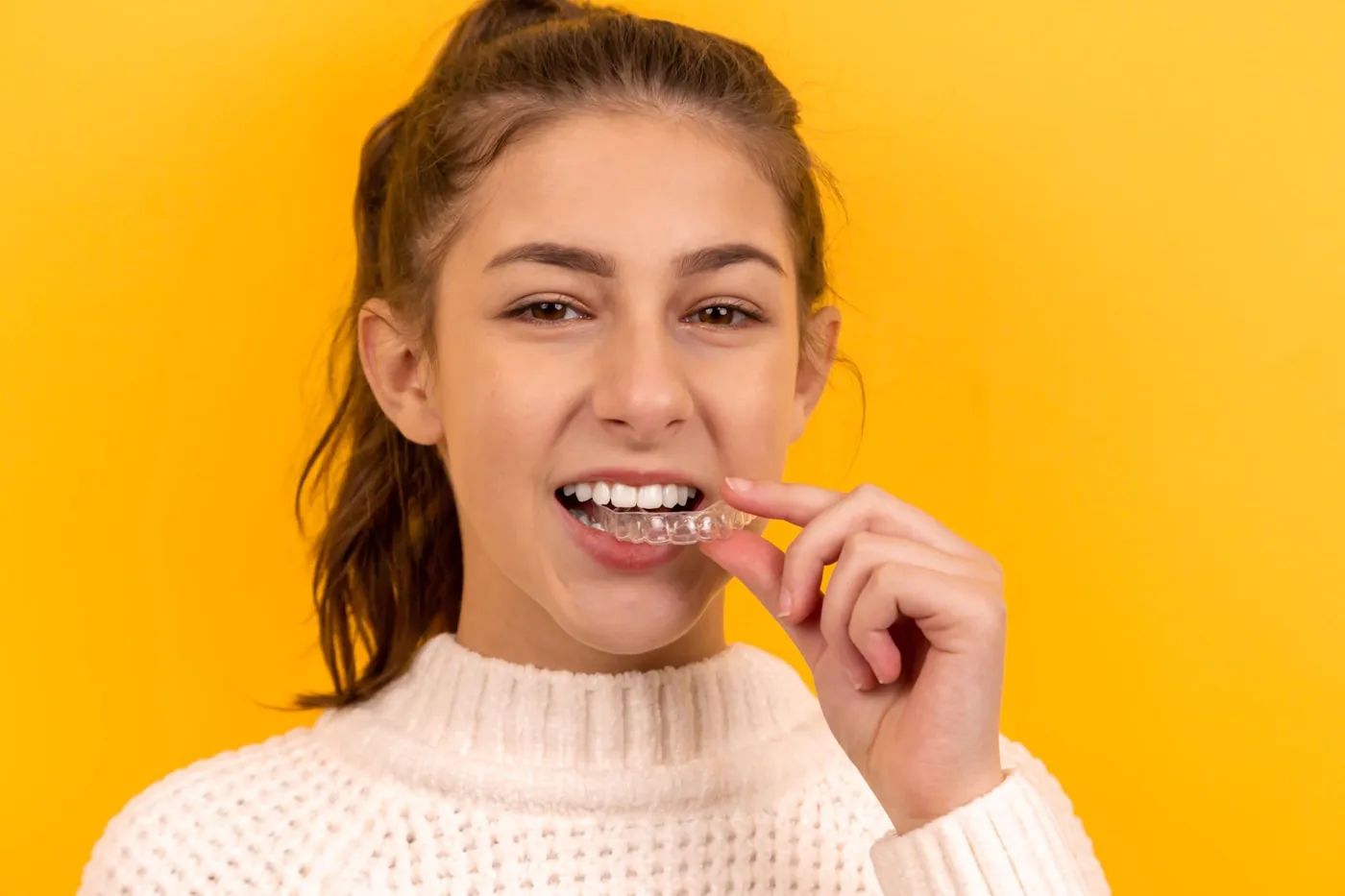
If you're weighing your options for straightening your teeth, you've probably narrowed the choice to clear braces or Invisalign. Both are discreet. Both work. But they don't work the same way, they don't cost the same, and they don't fit the same kind of patient. For adults and teens looking into clear braces Berkeley providers offer today, the differences matter more than most patients expect.
At Acorn Family Dental Care, we walk patients through this comparison almost every week. Here's a straightforward breakdown of cost, treatment time, and who each option actually works best for — no marketing gloss. If you're specifically researching clear braces at our Berkeley office, our service page covers brands and case types in more depth.
What Are Clear Braces?
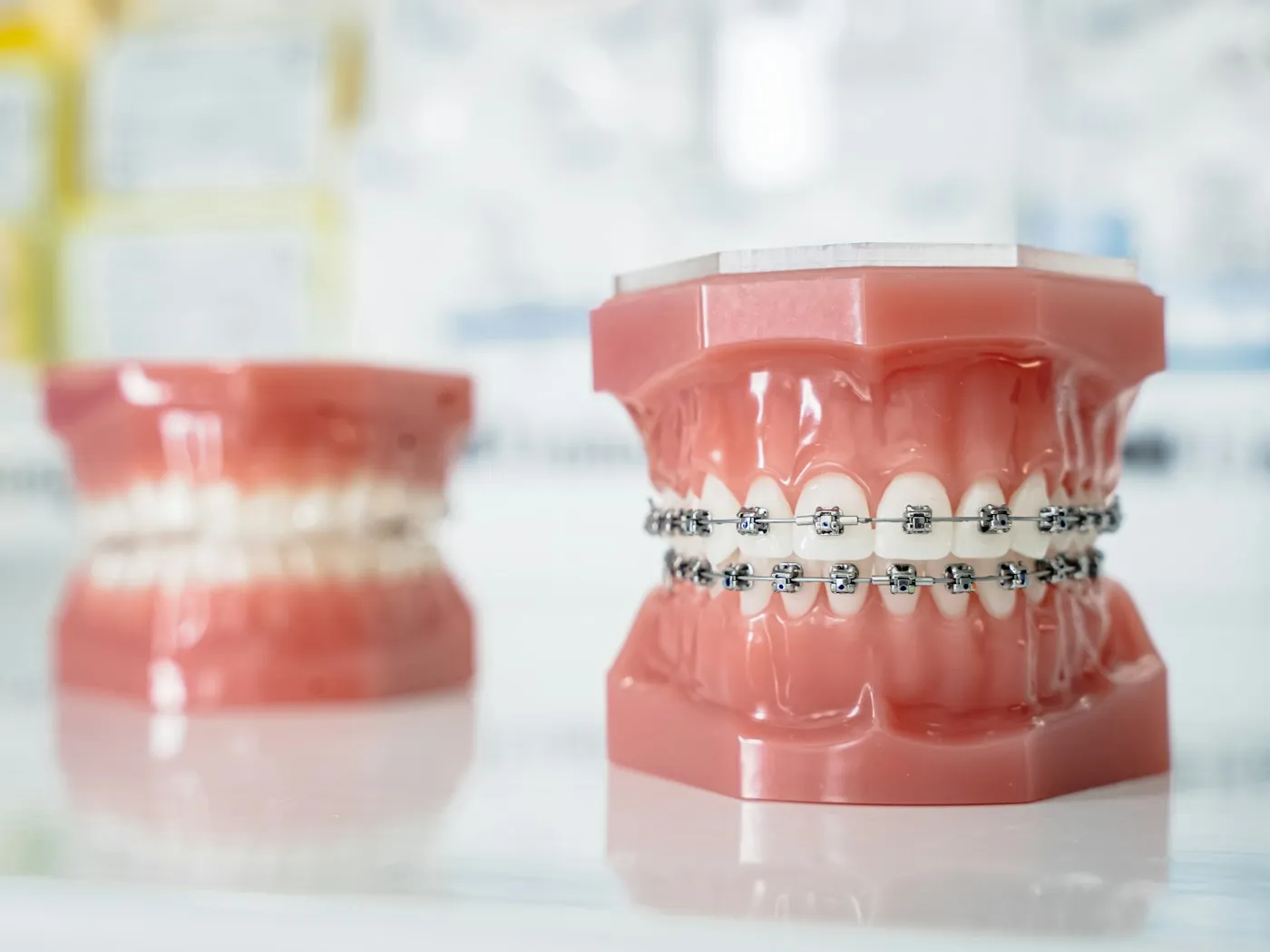
Clear braces — sometimes called ceramic braces — are traditional braces made with tooth-colored or translucent ceramic brackets instead of metal. They're bonded to the front of your teeth and connected by an archwire, exactly like metal braces. The wire is often coated white or made from a tooth-colored material to blend in further.
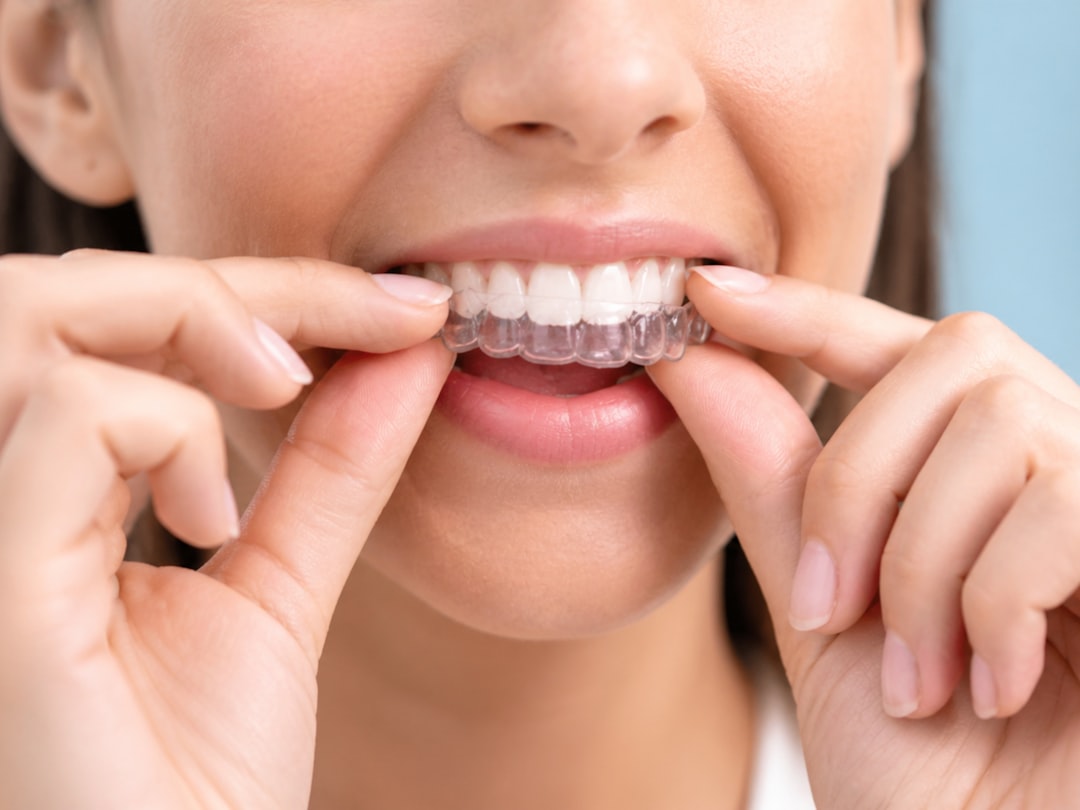
They aren't the same as Invisalign. Clear braces are fixed — they stay on your teeth for the full treatment period. Invisalign uses removable clear plastic aligner trays that snap over your teeth and get swapped every one to two weeks. Both are less visible than metal braces, but only one is truly invisible up close.
Clear Braces vs Invisalign: The Core Differences
Here's how the two options compare at a glance:
- Visibility — Invisalign is nearly invisible; clear braces are visible up close but far less noticeable than metal at conversational distance.
- Removability — Invisalign trays come out for meals, brushing, and flossing. Clear braces stay on 24/7.
- Cleaning — Invisalign lets you brush and floss normally. Clear braces require threading floss around wires and using interdental brushes.
- Diet — With Invisalign, nothing is off-limits. With clear braces, hard, sticky, or staining foods (coffee, red wine, curry) can crack brackets or stain the elastic ties.
- Discipline — Invisalign only works if you wear the trays 20-22 hours a day. Clear braces work whether you remember them or not.
- Case complexity — Clear braces can handle more severe rotations, extractions, and bite corrections. Invisalign is best for mild-to-moderate cases.
Clear Braces Berkeley Cost: What to Expect in 2026
Pricing varies by case complexity, but here are the typical ranges you'll see from clear braces Berkeley providers this year:
- Clear (ceramic) braces: $4,000 to $8,000 for a full treatment plan
- Invisalign: $3,000 to $7,000, depending on the number of trays and refinements
- Traditional metal braces: $3,000 to $6,000 for comparison
Clear braces run $500 to $1,500 more than metal braces because the ceramic brackets cost more to produce and require slightly more chair time. Insurance often treats clear braces and Invisalign the same as metal braces for coverage purposes — meaning if your plan pays 50% up to a $2,000 lifetime orthodontic maximum, that benefit applies either way.
We offer flexible payment plans and provide a written estimate before any treatment begins. See our financial information page for insurance and payment details.
Treatment Time: How Long Each Option Takes
Both options work in a similar range, but there's a meaningful gap on the ends:
- Clear braces: 18 to 36 months on average
- Invisalign: 6 to 18 months for mild-to-moderate cases, up to 24 months for complex cases
The reason for the difference isn't the material — it's the type of case each option handles well. Clear braces are typically chosen when the case is more complicated, which naturally takes longer. Simple spacing or mild crowding fixed with Invisalign can wrap in six months. A patient with a serious overbite and rotated canines will spend 24-30 months in braces regardless of bracket color.
You'll visit the office every 4-8 weeks either way — for braces, to adjust the wire; for Invisalign, to pick up the next set of trays and check progress. Missing appointments delays treatment significantly.
Clear Braces Berkeley: Who They Work Best For
Patients who choose clear braces tend to share a specific profile. This option is often the best fit when:
- You have moderate to severe misalignment — significant crowding, rotations, or bite issues that Invisalign would struggle to correct precisely
- You're a teen or young adult whose case is too complex for aligners but who still wants a less obvious look than metal braces
- You can't reliably wear aligners 20-22 hours a day — busy schedules, forgetfulness, or a career that involves frequent eating and drinking can sabotage Invisalign
- You need orthodontic anchors, elastics, or extractions — mechanical corrections that aligners can't apply as reliably
- You have short clinical crowns that don't give aligners enough surface to grip
If you're weighing options for a growing teen with a jaw-development issue, our guide to correcting an overbite walks through timing considerations that apply regardless of bracket type.
Who Invisalign Works Best For
Invisalign is usually the better recommendation when:
- You have mild to moderate crowding, spacing, or bite issues
- You're appearance-sensitive at work — teachers, sales roles, public-facing careers where even ceramic brackets feel too visible
- You're disciplined and can commit to wearing trays 20-22 hours a day without slipping
- You want to eat normally throughout treatment
- You've had orthodontic relapse after prior braces and need minor corrections
For a fuller breakdown of that side of the comparison, we cover cost, timeline, and provider selection in our Invisalign in Berkeley guide. Adults specifically may want to read our comparison of Invisalign vs. braces for adults — the trade-offs shift once you're past your teenage years.
According to the American Association of Orthodontists, roughly one in four orthodontic patients today is an adult, and clear treatment options have driven most of that growth.
What to Expect at Your Berkeley Consultation
At Acorn Family Dental Care, a clear-braces or Invisalign consultation with Dr. Teah Nguyen includes:
- Digital scanning of your teeth — no putty impressions
- Bite and jaw evaluation — including screening for TMJ issues that might affect treatment
- Case complexity assessment — an honest read on whether Invisalign can achieve your goals, or whether clear braces are the better tool
- Written cost estimate — including your insurance benefits and payment plan options
- Treatment timeline preview — so you know what you're committing to before anything starts
We don't push a specific option. Some practices only offer Invisalign; some default to braces for everyone. Our approach is to match the tool to the case — which occasionally means recommending a different provider if we're not the right fit.
Frequently Asked Questions
-
Are clear braces the same as Invisalign?
No. Clear braces are fixed ceramic brackets bonded to your teeth. Invisalign uses removable clear plastic trays. Both correct alignment, but through different mechanics — and they suit different case types.
-
Do clear braces stain?
The ceramic brackets themselves resist staining, but the elastic ligatures (small rubber bands) that hold the wire in place can pick up color from coffee, tea, red wine, and curry. They're replaced at every adjustment visit, so any staining is temporary.
-
Are clear braces more painful than Invisalign?
Both cause mild soreness for a few days after adjustments or new trays. Clear braces can also irritate lips and cheeks from bracket edges — orthodontic wax helps. Invisalign generally feels smoother between adjustments.
-
Can I switch from Invisalign to clear braces mid-treatment?
Yes. If aligners aren't achieving the movement needed, or compliance is an issue, we can transition to braces without losing prior progress. The reverse is harder — clear braces to Invisalign — because you're typically switching to a less powerful tool.
-
How much does insurance typically cover?
Most orthodontic insurance benefits pay 25-50% up to a lifetime maximum of $1,500-$2,500. Coverage is usually identical for clear braces, Invisalign, and metal braces.
Ready to Compare Your Options?
The best way to know whether clear braces or Invisalign fits your smile — and your life — is a proper case review. Schedule a consultation with Dr. Teah Nguyen at Acorn Family Dental Care in Berkeley. We'll show you both options side by side, quote the real cost, and let you decide.