
Choosing between Invisalign vs. braces for adults isn't really a contest of which is better — it's a question of which fits your case, your job, your budget, and how much daily discipline you want to take on. Both move teeth using the same biological principle. Both produce excellent results in skilled hands. But they trade off comfort, visibility, predictability, and lifestyle in different ways, and the right answer is often clearer than people expect once you understand what each one is actually doing inside your mouth.
This guide breaks down the real differences for adult patients in 2026 — what each treatment can fix, what they cost in the East Bay, how long they take, and the cases where one is genuinely the better tool. If you're already focused on a single option, our Invisalign in Berkeley overview covers cost, timeline, and what to expect at our practice in more depth.

How Invisalign and Traditional Braces Actually Work
Both treatments rely on the same principle: gentle, sustained pressure on a tooth causes the bone around its root to remodel — bone dissolves on the side the tooth is moving toward and rebuilds on the other side. The tooth migrates millimeter by millimeter through living bone. The difference is how that pressure gets applied.
The Mechanics Behind Clear Aligner Movement
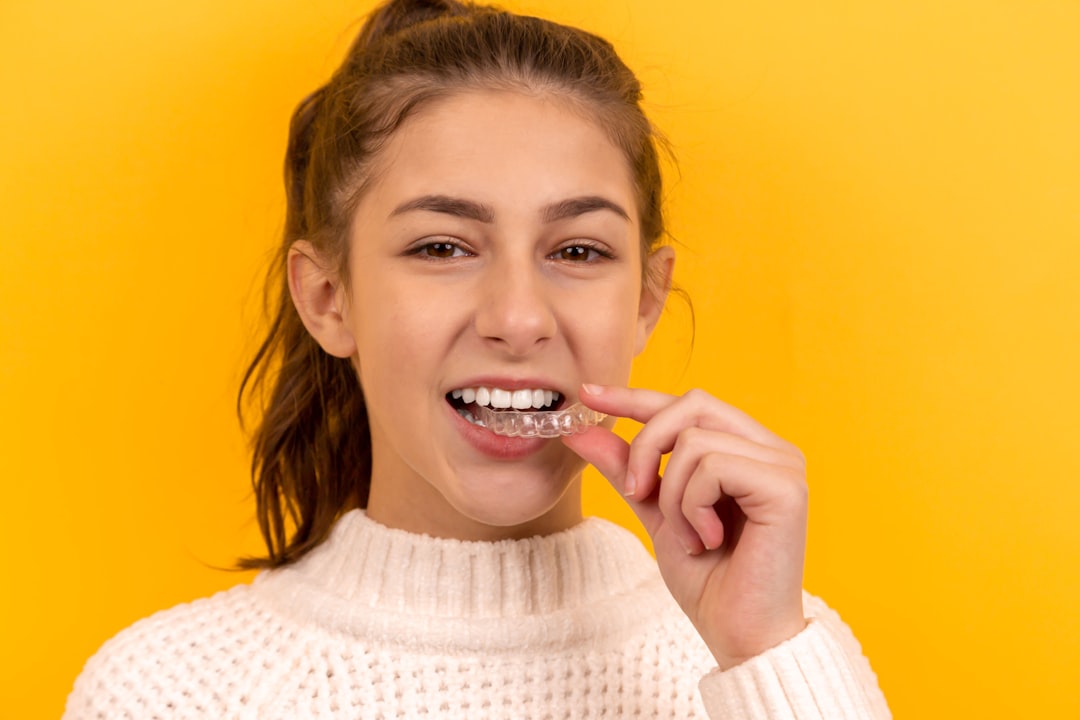
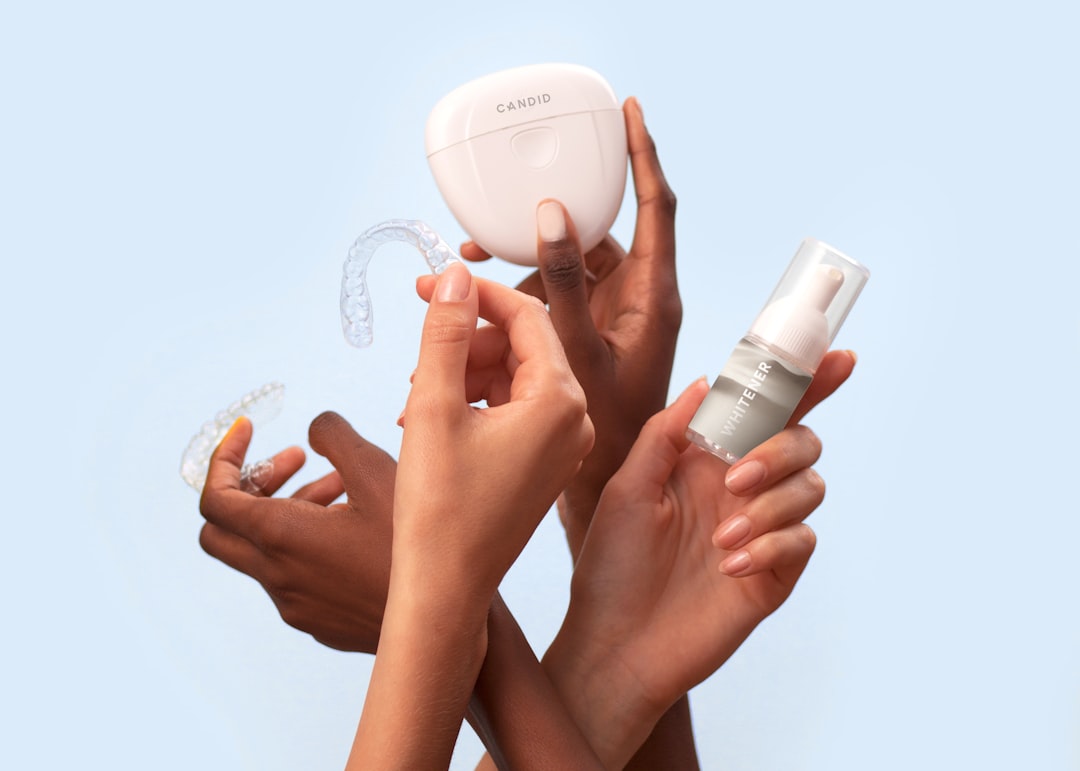
Invisalign clear aligners are made from a thermoformed medical-grade plastic called SmartTrack. Each tray is shaped to be slightly different from your current tooth position — a fraction of a millimeter of planned movement. When you put it on, the tray fights to return to its molded shape, and that constant tension pushes specific teeth in specific directions.
To handle harder movements like rotation or vertical change, your dentist bonds attachments — small tooth-colored composite bumps — onto certain teeth. The aligner grips these bumps and uses them as leverage points. You wear each tray for 1–2 weeks, then advance to the next, gradually walking your teeth toward the planned end position. The whole sequence is mapped out digitally before you start a single tray.
How Metal Braces Apply Pressure Over Time
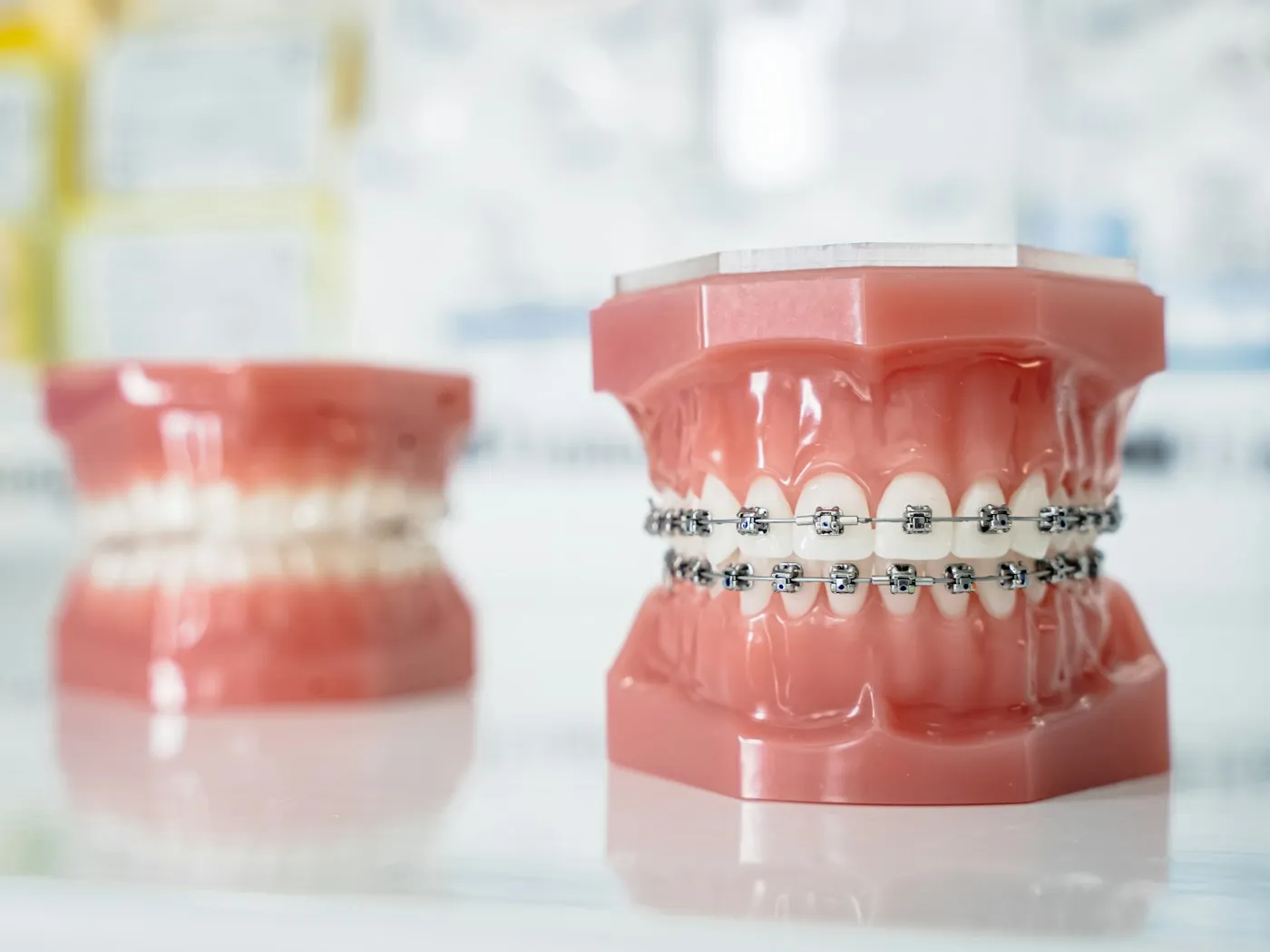
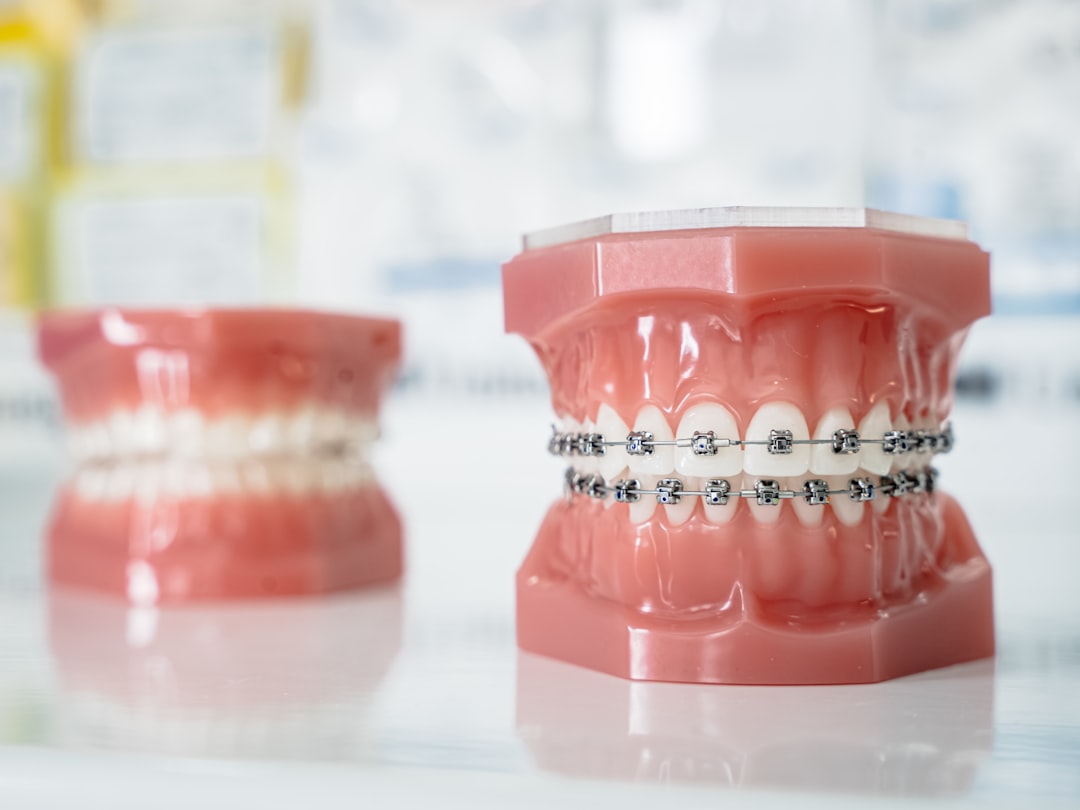
Traditional braces work through a system of brackets, archwires, and elastics. Each tooth gets a bracket bonded to the front (or, with lingual braces, the back). A flexible archwire threads through the brackets and wants to return to its smooth, straight shape — pulling crooked or crowded teeth into alignment as it tries to do so.
Every six to eight weeks, your provider tightens the wire, swaps it for a stiffer one, or adds elastics to apply force in specific directions. Because the brackets are fixed in place 24/7, braces deliver continuous pressure without depending on patient compliance. That's their structural advantage — and the reason they still excel at certain complex movements.
Invisalign vs. Braces: Side-by-Side Comparison
Appearance and Visibility
This is the comparison most adults start with. Invisalign aligners are nearly invisible from a normal conversational distance — most people genuinely don't notice them. Attachments (the composite bumps) are tooth-colored and barely visible. Traditional metal braces are obvious. Ceramic braces with tooth-colored brackets soften the look but the wires are still visible. Lingual braces hide on the back of the teeth but cost more and can affect speech for the first few weeks.
Comfort: Aligners vs. Brackets and Wires
Both cause pressure soreness for 2–4 days after each adjustment or new tray — that's the treatment doing its job. Where they diverge is soft-tissue impact. Brackets and wires can scrape the inside of your cheeks and lips, especially in the first few weeks; orthodontic wax usually solves it but the irritation is real. Invisalign trays are smooth and don't catch on tissue. Most adults report Invisalign as meaningfully more comfortable day-to-day, though new aligners feel tight for the first couple of days each switch.
What Each Can Actually Fix (and Their Limits)
This is where the choice gets real. Modern Invisalign handles a much wider range of cases than it did a decade ago, but it's not unlimited.
Both Invisalign and braces handle these well:
- Mild to moderate crowding
- Spacing and gaps between teeth
- Most overbites and underbites
- Crossbite (with the right treatment plan)
- Mild rotations
- Relapse after teen orthodontics — extremely common in adults
Braces still hold an edge for:
- Severe rotations (a tooth rotated more than ~45°)
- Large vertical movements — extruding or intruding a tooth significantly
- Cases requiring extractions and major space closure
- Skeletal discrepancies that need orthognathic surgery coordination
- Patients with multiple short or oddly-shaped teeth that aligners can't grip well
For specific bite issues like deep overbite, our guide on how to manage an overbite walks through the specific corrections each appliance can deliver.
Treatment Duration for Adults
Adult orthodontic treatment generally runs 12–24 months, regardless of method. Adult bone is denser than teen bone and remodels more slowly, so adult cases tend to take 10–20% longer than the same case in a teenager.
- Mild Invisalign cases: 6–9 months
- Moderate Invisalign or braces: 12–18 months
- Complex cases (either method): 18–30 months
The honest variable: Invisalign timelines depend on you wearing the trays 20–22 hours a day. Adults who treat aligners as optional double their treatment length. Braces don't care what you remember — they work whether you cooperate or not.
Cost in 2026
In Berkeley and the surrounding East Bay, current 2026 pricing for adult orthodontics typically runs:
- Traditional metal braces: $4,000–$7,000
- Ceramic braces: $5,000–$8,500
- Lingual braces: $8,000–$13,000
- Invisalign Full: $4,500–$7,500
- Invisalign Lite (mild cases): $3,000–$5,000
Most dental insurance plans cover adult orthodontics the same way regardless of appliance, typically up to a lifetime orthodontic maximum of $1,500–$3,000. HSA and FSA dollars apply to both. The bigger driver of the final cost isn't Invisalign vs. metal — it's case complexity, the number of trays or wire changes you need, and whether you'll need refinements at the end.
Maintenance, Eating, and Daily Life
This is where adult lifestyles diverge sharply.
With braces: certain foods are off-limits the entire treatment — popcorn, hard candy, whole apples, corn on the cob, gum, hard bread crusts. Brushing and flossing take longer because food gets caught in brackets. You'll see your provider every 4–8 weeks for adjustments. Emergencies (a poking wire, a debonded bracket) happen and need a same-week visit.
With Invisalign: you remove the trays to eat, so no food restrictions. Brushing and flossing are unchanged. You see your provider every 8–10 weeks, often shorter visits. The tradeoff: trays must come out for everything except water — coffee, tea, wine, snacks all require removing, then brushing before re-inserting. For coffee-heavy professionals, that's a real adjustment. Lost trays happen and add a step to your week.
When Braces Are the Better Choice
Despite Invisalign's popularity, traditional braces and orthodontic treatment remain the right call for a real subset of adult cases. Choose braces when:
- Your case is structurally complex — severe rotations, significant tooth height changes, or extractions with major space closure.
- You know yourself and you won't wear trays 22 hours a day. If you'll forget aligners or treat them as optional, fixed appliances will give you a faster, more predictable result.
- You're coordinating with jaw surgery. Braces are the standard pre- and post-surgical orthodontic platform.
- Your teeth are too short or oddly shaped for aligners to grip. Some cases that look mild on the outside aren't candidates for Invisalign mechanically.
- Cost is the deciding factor and metal is slightly cheaper for your case. The gap is smaller than it used to be, but it still matters for some patients.
When Invisalign Is the Better Choice
For most adult patients walking into our Berkeley office, Invisalign is the more appealing option — and in most cases, the more appropriate one. Invisalign tends to be the right call when:
- Your case is mild to moderate. Crowding, spacing, mild rotations, common bite corrections — all well within Invisalign's range.
- Your job or social life depends on appearance. Sales, on-camera work, client-facing roles, public speaking — visibility matters.
- You're disciplined about routines. If you're someone who keeps your contact lens schedule or medication times consistent, you'll do well with aligners.
- You want minimal lifestyle disruption. No food restrictions, normal flossing, fewer office visits.
- You're correcting relapse from teen orthodontics. A common adult scenario — Invisalign is exceptionally efficient at this.
- You play contact sports or wind instruments. No brackets to cut your lips or interfere with embouchure.
What Does Adult Orthodontic Treatment Actually Look Like?
Starting Later: Is It Too Late for Adults?
No. Roughly 1 in 4 orthodontic patients in the U.S. is now an adult, and the number keeps climbing. Teeth move at any age as long as the surrounding bone and gum tissue are healthy. The two real adult considerations are:
Periodontal health. Active gum disease has to be controlled before orthodontics. Moving teeth through inflamed bone can accelerate bone loss. A periodontal evaluation is part of every adult orthodontic workup we do.
Existing dental work. Crowns, veneers, implants, and bridges all interact with treatment planning. Implants don't move; the plan accounts for that. Crowns and veneers can be moved but sometimes need replacement after treatment if the bite changes meaningfully. None of this disqualifies adults — it just means treatment planning is more careful.
The bigger barrier for most adults is psychological, not biological. The most common thing we hear from patients in their 40s and 50s after finishing: "I should have done this twenty years ago." Per the American Association of Orthodontists, healthy teeth can be moved at any age.
What to Tell Your Employer and Social Circle
You probably won't need to tell your employer anything. Invisalign is usually undetectable in meetings — including video calls — and braces, while visible, are common enough among adult professionals that they generate roughly zero workplace pushback. Most patients we see are surprised by how few people notice or comment.
For dental anxiety around starting treatment, our resource on how we work with anxious patients in Berkeley covers the comfort options we use during longer appointments — nitrous oxide, stereo headphones, and built-in extra time so you're not rushed.
Getting Started with Invisalign at Acorn Family Dental in Berkeley
An adult orthodontic consultation at Acorn Family Dental Care starts with a digital scan — no goopy impressions — followed by a periodontal check, a bite analysis, and a discussion of what you're trying to change. We'll show you on-screen what your treatment plan would look like with Invisalign, with braces, or with a combined approach if your case calls for it. You'll leave with a written cost estimate and a realistic timeline.
Dr. Teah Nguyen is an experienced Invisalign provider with extended evening hours on Wednesdays — built for adults who can't take time off during the workday. We accept most major dental insurance plans and offer in-office payment plans for the portion insurance doesn't cover.
Schedule your consultation with Acorn Family Dental Care to find out which option fits your case, your schedule, and your budget. The conversation is no-pressure and includes a clear comparison of all the options actually open to you — not a sales pitch for one of them.
Frequently Asked Questions
Is Invisalign or braces better for adults?
Neither is universally better — it depends on the case. For mild to moderate crowding, spacing, and most bite issues, Invisalign and braces produce comparable results, and Invisalign wins on appearance and convenience. For severe rotations, large vertical tooth movements, or jaw discrepancies that don't involve surgery, traditional braces still finish more predictably. The right answer comes from a digital scan and a treatment plan, not a generic recommendation.
How much does Invisalign cost vs. braces in 2026?
In the Berkeley and East Bay area, traditional metal braces for adults run roughly $4,000–$7,000 and Invisalign runs roughly $4,500–$7,500. Ceramic and lingual braces sit at the high end ($6,000–$10,000+). Most dental insurance plans cover orthodontics the same way regardless of method, typically up to a lifetime maximum. The case complexity matters more to the final number than the appliance choice.
Can adults get Invisalign with crowns, implants, or bridges?
Yes, in most cases. Invisalign moves teeth using gentle pressure across the whole crown surface, which is well-tolerated by teeth that have crowns, veneers, or fillings. Implants don't move — they stay in place while neighboring teeth shift around them, and the treatment plan accounts for that. Severe periodontal disease or active infection needs to be treated first, but restored teeth alone don't disqualify you.
How long does adult orthodontic treatment take?
For most adults, 12 to 24 months. Mild cases finish in 6–9 months with Invisalign; complex bite corrections can run 24–30 months with either appliance. Adult treatment is often slightly longer than teen treatment because adult bone is denser and remodels more slowly. Wear-time discipline matters most with Invisalign — patients who wear aligners less than 20 hours a day can add months to their plan.
Will Invisalign or braces hurt?
Both cause pressure and soreness for two to four days after each adjustment or new aligner — that pressure is the treatment working. Braces can also irritate cheeks and lips with brackets and wires, which orthodontic wax helps. Invisalign avoids the soft-tissue irritation but introduces 'attachments' (small composite bumps) on some teeth. Over-the-counter pain relievers handle the discomfort for almost everyone.
What happens if I don't wear my Invisalign aligners enough?
Treatment slows down or stalls. Invisalign requires 20–22 hours a day of wear; under that and teeth don't track to the next aligner properly. The aligners stop fitting, you fall behind your plan, and you may need 'refinements' — extra aligner trays at the end to finish the case. This is why disciplined adults often do better with Invisalign than less-compliant teens.
Photos by Candid, Christina @ wocintechchat.com, Katarzyna Zygnerska, and Ozkan Guner on Unsplash.