

Fluoride is one of the great public-health success stories in dentistry — it's a big part of why cavities are far less common today than they were a few generations ago. But because it's now in toothpaste, mouthwash, tap water, and some dental treatments, a fair question I hear from parents at Acorn Family Dental Care in Berkeley is whether you can get too much of a good thing. I'm Dr. Teah Nguyen, and the honest answer is: yes, it's possible, but with a little awareness it's also very easy to avoid.
What Fluoride Does and Why We Use It
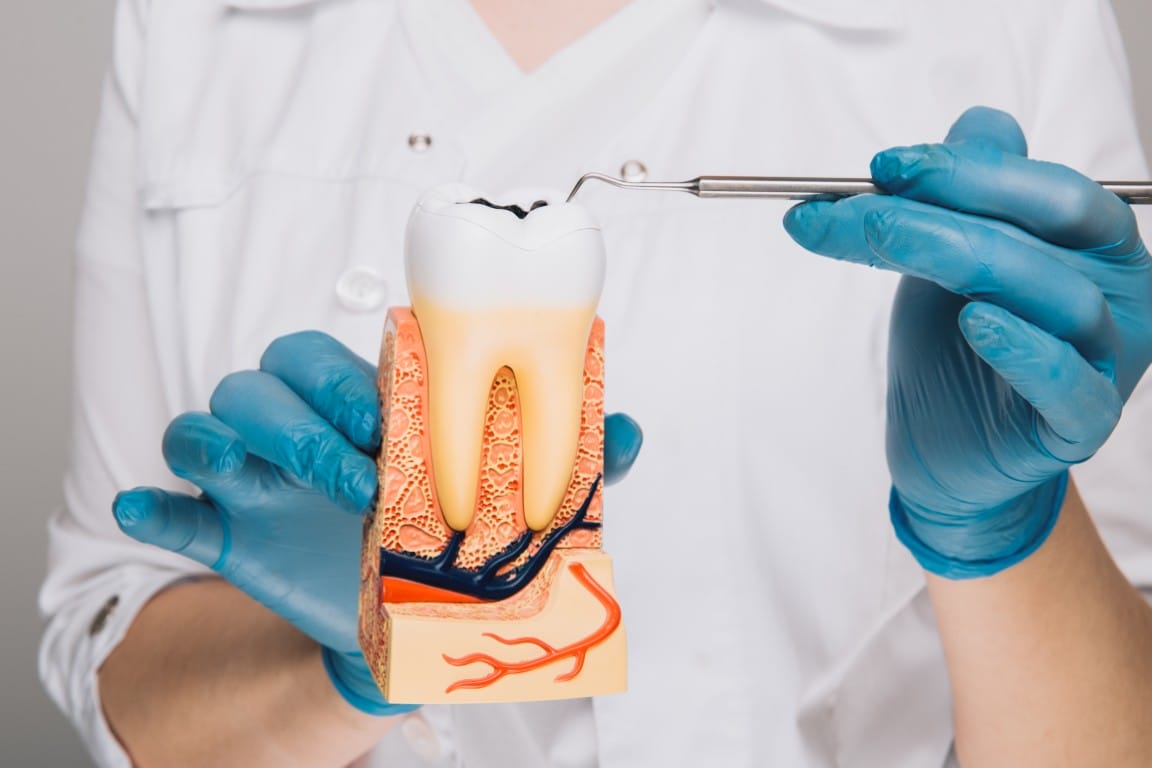
Fluoride is a naturally occurring mineral that strengthens tooth enamel and helps reverse the earliest stages of decay before they become cavities. Since community water fluoridation began in the 1940s, it has dramatically reduced tooth decay across entire populations — especially in families with limited access to dental care. It's added to most toothpastes and mouthwashes, and we sometimes apply concentrated fluoride varnish in the office for patients at higher cavity risk.
The reason it works so well is that low, consistent exposure keeps remineralizing your enamel every day. The key words there are "low" and "consistent" — fluoride's benefit comes from regular small amounts, not large doses.
When Fluoride Exposure Becomes Too High
Problems come from overexposure over time, or from a large amount swallowed at once. The conditions worth understanding are:
- Dental fluorosis: The most common consequence, and almost always cosmetic. It develops only while permanent teeth are still forming under the gums — meaning it's a childhood issue, not something that appears in adults. Most cases are mild: faint white streaks or flecks that many people never notice. More significant overexposure can cause brown staining or pitting, but that's far less common.
- Acute overdose symptoms: If a child swallows a large quantity of toothpaste or a bottle of fluoride supplements at once, it can cause nausea, vomiting, or stomach upset. This is why fluoride products should be stored out of young children's reach.
- Skeletal fluorosis: A rare condition caused by very high, prolonged fluoride intake over many years, affecting bones and joints. It's associated with naturally high-fluoride groundwater in certain parts of the world, not with normal fluoridated tap water in the U.S.
Safe Amounts: A Practical Guide
For everyday life in the East Bay, staying in the safe zone is straightforward:
- Tap water: Community water here is fluoridated to roughly 0.7 milligrams per liter — a level set specifically to protect teeth while staying well within safe limits. Drinking it is part of the solution, not the problem.
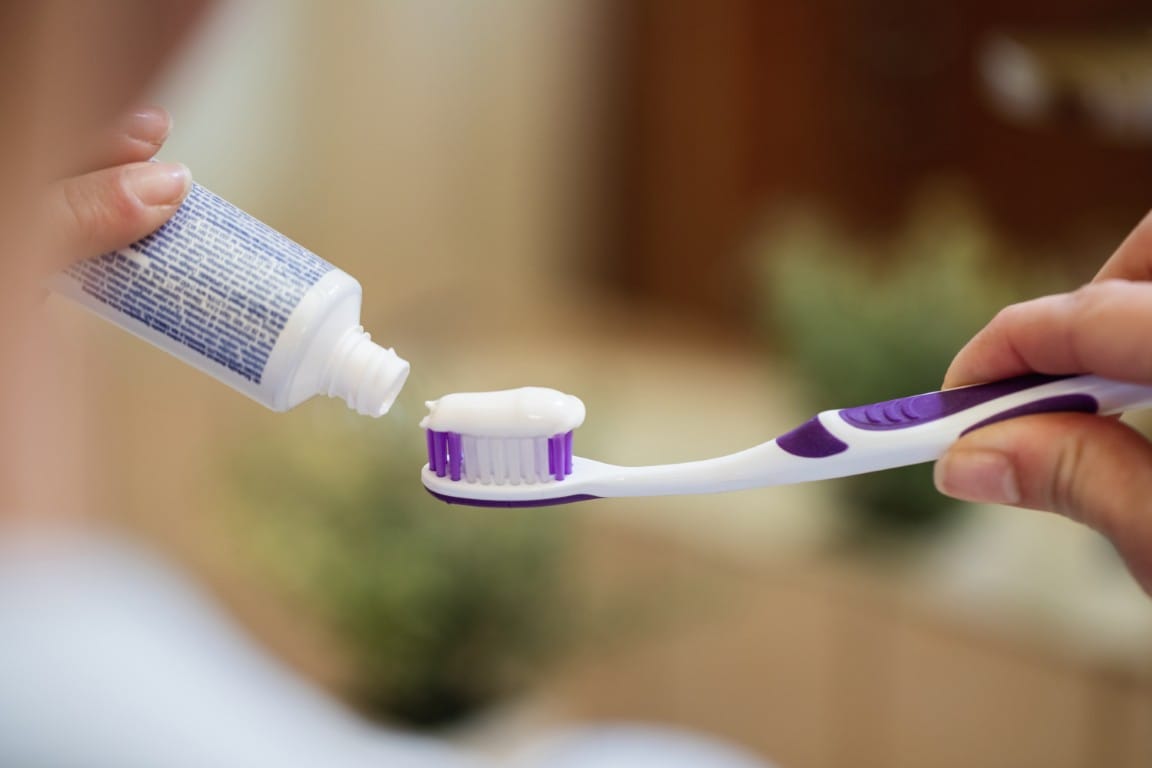
- Toothpaste for adults and older kids: a pea-sized amount of standard fluoride toothpaste (1,000–1,500 ppm fluoride).
- Toothpaste for children 3–6: a pea-sized amount, with an adult supervising to make sure they spit it out.
- Toothpaste for children under 3: a thin rice-grain smear, since toddlers swallow most of what's on the brush.
- Supplements: generally unnecessary if your water is fluoridated. Only use them if a dentist or pediatrician specifically recommends them.
How Kids End Up With Too Much
In my experience, fluorosis in local children almost always traces back to one of a few avoidable patterns: using a big ribbon of toothpaste instead of a pea-sized dab, kids swallowing toothpaste because they like the flavor, or families giving fluoride supplements on top of already-fluoridated tap water. None of these are about the water being unsafe — they're about stacking sources. The fix is simply to control the toothpaste amount, supervise young children's brushing, and check with us before adding any supplement.
Finding the Right Balance
Fluoride works best in moderation — strong enough to protect enamel, controlled enough to avoid fluorosis. For nearly everyone, the right approach is to keep using fluoride toothpaste and fluoridated water, use the correct amount of paste for each age, and avoid piling on extra supplements unless there's a specific reason. That balance gives you all of fluoride's cavity-fighting benefit with none of the downside.
If you've noticed white spots on your child's teeth, or you're not sure whether your family is getting the right amount of fluoride, that's a great conversation to have at a checkup. Call our Berkeley office at (510) 848-0114 and we'll help you sort out exactly what's right for your household.