

If you've ever tapped on a tooth and noticed it sounds hollow, or bitten down on something and felt an odd emptiness, you may have wondered: are teeth actually hollow inside? It's a surprisingly common question — and the answer helps explain a lot about dental health.
No, Healthy Teeth Are Not Hollow
A healthy tooth is not hollow. It's a solid, layered structure made up of several different tissues, each with an important function. However, teeth do contain an inner chamber that houses living tissue — which is why they can sometimes feel or sound hollow under certain conditions.
The Four Layers of a Tooth
Understanding tooth anatomy makes it clear why teeth aren't empty inside:
1. Enamel (The Outer Shell)
Enamel is the hard, white outer coating of your tooth. It's the hardest substance in the human body — even harder than bone. Enamel protects the inner layers from bacteria, temperature changes, and the physical force of chewing.
2. Dentin (The Bulk of the Tooth)
Beneath the enamel lies dentin, a dense, yellowish tissue that makes up most of the tooth's structure. Dentin is slightly softer than enamel but still very hard. It contains microscopic tubes that transmit sensations — which is why you feel sensitivity when enamel wears away and exposes the dentin.
3. Pulp (The Living Core)
At the center of every tooth is the pulp chamber — a small space containing blood vessels, nerves, and connective tissue. This is the "living" part of the tooth. The pulp is what allows you to feel pressure, temperature, and pain. It also nourishes the tooth from the inside during development.
4. Cementum and Root
Below the gumline, the tooth root is covered by cementum, a thin layer that anchors the tooth to the jawbone through the periodontal ligament. The root also contains a narrow root canal that connects the pulp chamber to the rest of your body's blood supply.
Why Your Tooth Might Feel or Sound Hollow
If a tooth feels hollow when you tap on it or bite down, it's usually a sign that something has changed inside the tooth. Common reasons include:
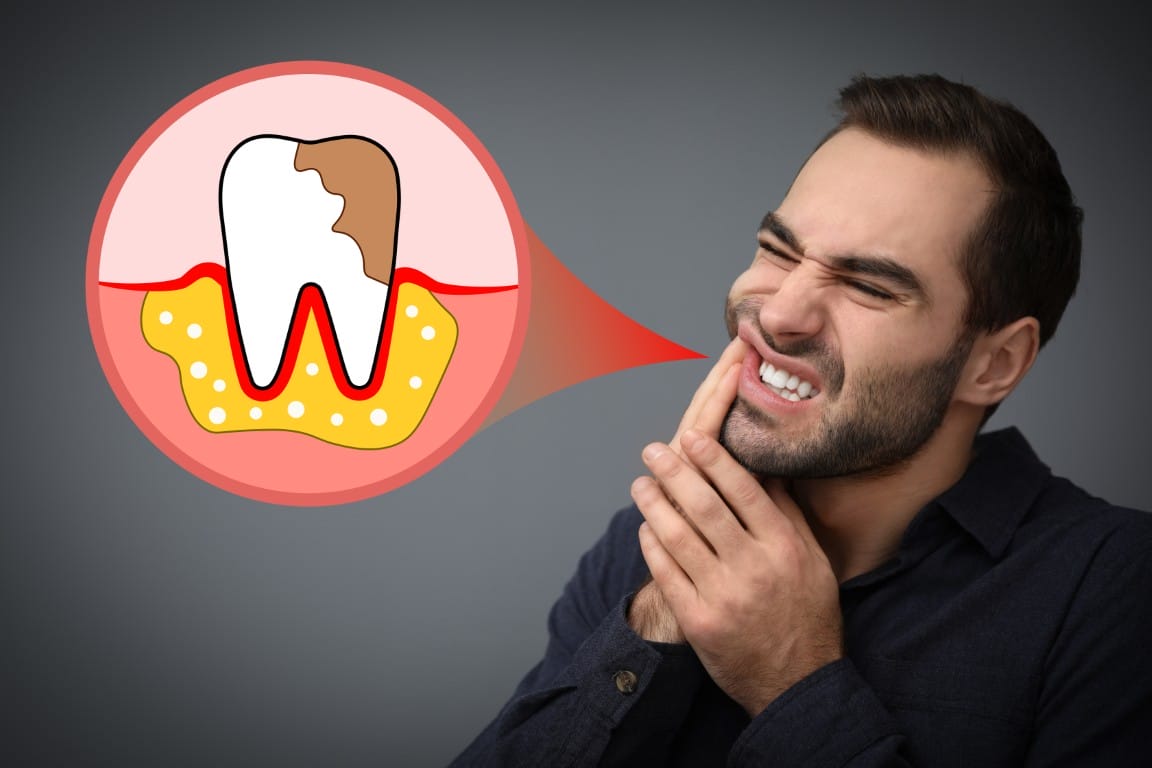
- Tooth decay: When a cavity eats through the enamel and dentin, it can create an actual hollow space inside the tooth. This is the most common reason a tooth feels empty or sounds different when tapped.
- Dead or dying pulp: If the nerve tissue inside the tooth has died due to infection or trauma, the tooth may lose density and feel different when you tap on it.
- Previous dental work: Teeth that have had large fillings, crowns, or root canal treatment may sound or feel different because their internal structure has been modified.
- Cracked tooth: A hairline fracture can create a sensation of hollowness or produce an unusual sound when you tap the tooth.
When to See a Dentist
A tooth that suddenly sounds or feels hollow is worth getting checked. While the tooth may appear fine on the outside, the change often indicates internal decay, infection, or structural damage that needs treatment before it gets worse.
Warning signs to watch for alongside a hollow-feeling tooth:
- Sensitivity to hot, cold, or sweet foods
- Pain when chewing or biting down
- A persistent bad taste in your mouth
- Darkening or discoloration of the tooth
- Swelling around the gumline
At Acorn Family Dental Care, Dr. Teah Nguyen uses digital X-rays and thorough clinical exams to detect hidden decay and internal damage that isn't visible to the naked eye. Early detection means simpler, less costly treatment.
If you're concerned about a tooth that feels or sounds hollow, schedule an appointment at our Berkeley office.