

Root Canal Therapy in Berkeley, CA
Gentle & Pain-Free Endodontic Treatment to Save Your Tooth
Save your natural tooth with gentle, pain-free endodontic treatment using modern techniques and local anesthesia.
A root canal does not have to be something you dread. At Acorn Family Dental Care in Berkeley, Dr. Teah Nguyen performs gentle, effective root canal therapy to eliminate tooth pain, clear infection, and save your natural tooth from extraction. Using modern techniques and local anesthesia, most patients are surprised at how comfortable the procedure actually is.
If you are experiencing a severe toothache, sensitivity to hot or cold, swelling near a tooth, or a darkening tooth, you may need root canal treatment. The sooner you seek care, the better the chance of saving your tooth and avoiding more complex procedures. Our Berkeley dental office welcomes patients from Albany, El Cerrito, Oakland, Kensington, Emeryville, and the greater East Bay for emergency and scheduled root canal treatment.
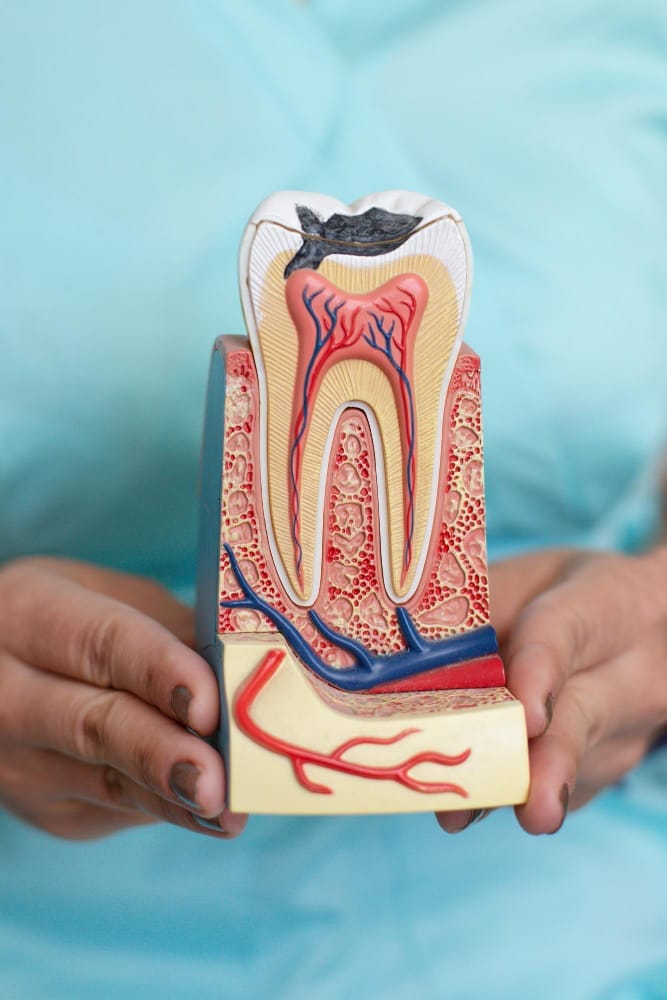
What Is Root Canal Therapy?
Root canal therapy, also called endodontic treatment, is a procedure that treats infection or damage inside a tooth. Every tooth contains a hollow space called the pulp chamber, which houses the dental pulp — a soft tissue made up of nerves, blood vessels, and connective tissue. The pulp extends from the crown of the tooth down through narrow channels called root canals into the jawbone.
When the pulp becomes infected or inflamed due to deep decay, a crack, repeated dental procedures, or trauma, it can cause severe pain and lead to an abscess (a pocket of pus at the root tip). Root canal therapy removes the infected or damaged pulp, thoroughly cleans and disinfects the interior of the tooth, and seals the space with a biocompatible filling material. A dental crown is then placed over the tooth to restore its strength, function, and appearance.
Root canal therapy is one of the most common dental procedures performed worldwide, with a success rate above 95 percent. It allows you to keep your natural tooth rather than having it extracted and replaced with an implant, bridge, or denture — which is almost always the preferred outcome for your long-term oral health.
Expert Care
Personalized treatment by Dr. Nguyen
Expert Care
Personalized treatment by Dr. Nguyen
Signs You May Need Root Canal Treatment
Tooth infections do not always produce obvious symptoms in their earliest stages, which is why regular dental exams are so important. However, as the infection progresses, most patients experience one or more of these warning signs:
A throbbing or constant toothache that may radiate to the jaw, ear, or temple — often worsens when biting down or lying down.
Lingering pain that persists for more than a few seconds after the stimulus is removed often signals pulp damage.
Swelling near the affected tooth, sometimes with a small bump (fistula) that may drain pus.
A tooth that has turned dark yellow, gray, brown, or black may indicate the pulp inside has died.
If a tooth hurts when you bite down or lightly tap it, the root ligament may be inflamed from infection.
Physical damage can expose the pulp to bacteria. A hollow or broken-down tooth is especially vulnerable.
An infected tooth may feel loose as pus softens supporting bone, or cause tingling/numbness in the lip or chin area.
Important: Not every tooth that needs a root canal causes pain. Some teeth have a slowly dying pulp that produces no symptoms until the infection becomes advanced. This is one more reason regular dental exams with X-rays are essential. If you are experiencing any symptoms above, contact our Berkeley office at (510) 848-0114 right away.
Ready to get started?
Schedule a consultation and take the first step toward better oral health.
What Causes a Tooth to Need a Root Canal?
Several conditions can damage or infect the dental pulp to the point where root canal therapy becomes necessary:
Deep Tooth Decay
When a cavity goes untreated, decay progresses through enamel and dentin until it reaches the pulp. This is the most common reason teeth need root canals.
Cracked or Fractured Teeth
Even a tiny crack can allow bacteria to enter the pulp. Teeth weakened by large fillings or habitual grinding (bruxism) are especially susceptible.
Dental Trauma or Injury
A blow to the mouth from a sports injury, fall, or accident can damage the pulp even if the tooth doesn't visibly crack, severing the blood supply.
Repeated Dental Procedures
Teeth that have undergone multiple fillings, crowns, or other treatments over the years are at higher risk of cumulative pulp damage.
Gum Disease
Advanced periodontal disease can allow bacteria to reach the tooth root through deep gum pockets, infecting the pulp from below.
The Root Canal Procedure: Step by Step
Understanding exactly what happens during a root canal can help ease any anxiety. At Acorn Family Dental Care, Dr. Nguyen follows a careful, patient-centered approach:
Thorough examination with digital X-rays to assess root canal shape, infection extent, and surrounding bone. Dr. Nguyen discusses findings and answers all your questions.
Local anesthesia completely numbs the tooth and surrounding area. You should feel no pain during the procedure. Let our team know if you experience dental anxiety — we'll take extra steps for your comfort.
A small rubber sheet isolates the tooth from saliva and bacteria — critical for treatment success.
A small opening is carefully made through the crown of the tooth, preserving as much healthy tooth structure as possible.
Specialized endodontic files carefully remove infected or dead pulp tissue from the chamber and each root canal. Canals are cleaned, shaped, and flushed with antimicrobial solutions.
Clean, dry canals are filled with gutta-percha (a biocompatible rubber-like material) to seal them against bacteria. A temporary filling protects the tooth until your crown appointment.
At a follow-up appointment, a dental crown is placed to restore full strength, function, and natural appearance. In some cases, a porcelain inlay or onlay may be sufficient.
Does a Root Canal Hurt?
This is the most common question patients ask, and the answer may surprise you: a root canal should not be painful. Modern anesthesia techniques ensure the tooth and surrounding tissues are completely numb before the procedure begins. Most patients report the experience is no more uncomfortable than having a filling placed.
In fact, the purpose of a root canal is to eliminate pain, not cause it. The severe toothache and throbbing you experienced before treatment are caused by the infected pulp. Once the infection is removed, the pain resolves. Any mild soreness following the procedure is typically manageable with over-the-counter pain medication and subsides within a few days.
If dental anxiety is a concern, we understand completely. Our team will walk you through every step, check in throughout the appointment, and ensure you feel comfortable and in control. You can also read our blog post, "Is a Root Canal Something You Should Fear?" for more reassurance.
Recovery & Aftercare
Most patients return to normal activities the same day or the day after. Here is what to expect:
- • Mild soreness or tenderness is normal as anesthesia wears off
- • Take over-the-counter pain relievers (ibuprofen or acetaminophen) as directed
- • Avoid chewing on the treated side until your permanent crown is placed
- • Eat soft foods and avoid very hot or cold beverages
- • Soreness should diminish significantly within 3 to 5 days
- • Continue avoiding hard, crunchy, or sticky foods on the treated side
- • Maintain normal brushing and flossing, being gentle around the treated tooth
- • Contact our office immediately if you experience increasing pain, swelling, or fever
Once your permanent crown is placed, the treated tooth should function just like any other tooth. With proper care — including regular brushing, flossing, and dental checkups — a root-canal-treated tooth can last a lifetime. For detailed guidance, visit our blog: "The Best Ways to Keep Your Mouth Healthy After a Root Canal."
Expert Care
Personalized treatment by Dr. Nguyen
Ready to get started?
Schedule a consultation and take the first step toward better oral health.
Root Canal vs. Tooth Extraction: Why Saving Your Tooth Matters
When a tooth is severely infected or damaged, you may wonder whether it would be easier to simply extract it. While extraction is sometimes necessary, saving your natural tooth with root canal therapy is almost always the better choice:
Root Canal + Crown
Extraction + Replacement
Extraction should be considered a last resort when a tooth is too damaged to restore, has a vertical root fracture, or has failed a previous retreatment. Dr. Nguyen will thoroughly discuss all options. If extraction is ultimately necessary, our office provides dental implants, dental bridges, and dentures to replace the missing tooth.
Expert Care
Personalized treatment by Dr. Nguyen
Alternatives to Root Canal Therapy
While root canal therapy is the gold standard for treating an infected tooth pulp, there are a few alternative approaches depending on the situation:
Tooth Extraction
If the tooth cannot be saved, extraction removes it entirely. This eliminates the infection but requires a replacement (implant, bridge, or partial denture) to prevent bone loss, shifting teeth, and difficulty chewing.
Pulp Capping (Direct or Indirect)
When the pulp is only slightly exposed or irritated but not yet infected, a protective material may be placed to encourage healing. Only an option when damage is minimal and the pulp is still vital (alive).
Apicoectomy (Root-End Surgery)
If a previous root canal hasn't fully resolved the infection, this surgical procedure removes the infected root tip and surrounding tissue and seals the end of the root. Typically performed by an endodontist.
Regenerative Endodontic Treatment
For certain immature (still-developing) teeth in younger patients, regenerative techniques may encourage continued root development and natural healing using the body's own stem cells and growth factors to revitalize the tooth pulp.
Dr. Nguyen will evaluate your individual situation and recommend the most appropriate treatment. In most cases of pulp infection, root canal therapy remains the most predictable and conservative option for saving the tooth.
Root Canal Cost & Insurance Coverage
What Affects Cost?
The cost of root canal therapy varies depending on which tooth is affected and the complexity of the root canal system:
Insurance & Payment
Most dental insurance plans classify root canal therapy as a major restorative procedure and cover 50-80% of the cost after your deductible. The dental crown placed afterward is usually covered separately.
No insurance? Acorn Family Dental Care offers a membership plan and flexible payment options.
Delaying a needed root canal almost always leads to more extensive and expensive treatment — including emergency care, extraction, and tooth replacement.
Contact us at (510) 848-0114 to discuss your options.
Ready to get started?
Schedule a consultation and take the first step toward better oral health.
Frequently Asked Questions About Root Canal Therapy
Root Canal Dentist Serving Berkeley, Albany, El Cerrito, Oakland & the East Bay
If you are searching for a root canal dentist in Berkeley, Acorn Family Dental Care is here to help. Dr. Teah Nguyen provides gentle, thorough root canal therapy at our office at 2999 Regent St #302, conveniently located near UC Berkeley with easy access from Albany, El Cerrito, Kensington, Oakland, Emeryville, and Richmond. Whether you are dealing with sudden tooth pain or have been referred for root canal treatment, we are ready to see you promptly and help you feel better fast.
Schedule Your Root Canal Consultation
Do not let a toothache or infection get worse. Contact Acorn Family Dental Care today to schedule a root canal evaluation with Dr. Teah Nguyen. Same-day and next-day emergency appointments are available for patients in pain.
Related Articles
Expert insights and tips from our dental team
 root canal
May 9, 2026
Signs You Need a Root Canal: 7 Symptoms Not to Ignore
Wondering if you need a root canal? Dr. Nguyen breaks down the 7 warning signs of a tooth infection — and what happens if you wait too long to treat it.
Read article root canal
Jun 6, 2026
Root Canal Aftercare — How to Heal Faster (Day-by-Day Guide)
Just had a root canal in Berkeley? Dr. Nguyen's step-by-step aftercare guide covers what to eat, how long pain lasts, and when to call the office.
Read article root canal
May 23, 2026
Root Canal Pain: Is It Really as Bad as People Say?
Modern root canals are comfortable, not painful. Learn what actually happens, how long it takes, and what recovery looks like at Acorn Family Dental Care in Berkeley.
Read article