

Periodontal Treatment in Berkeley, CA
Comprehensive Periodontal Care to Protect Your Gums, Teeth & Overall Health
Gum disease affects nearly half of adults over 30, but early-stage gingivitis is 100% reversible with proper treatment.
Your gums are the foundation of your smile. Without healthy gums and supporting bone, even the strongest teeth can become loose, infected, and eventually lost. Gum disease, also known as periodontal disease, is one of the most common chronic health conditions in adults, affecting nearly half of all Americans over the age of 30. The good news is that gum disease is preventable, and when caught early, it is completely reversible.
At Acorn Family Dental Care in Berkeley, Dr. Teah Nguyen provides comprehensive periodontal evaluation and treatment to help you maintain healthy gums throughout your life. From preventive cleanings and early-stage gingivitis treatment to deep cleaning (scaling and root planing), periodontal maintenance, and surgical options for advanced cases, we offer the full spectrum of gum disease care under one roof. Our office serves patients from Berkeley, Albany, El Cerrito, Oakland, Kensington, Emeryville, and the greater East Bay.
What Is Periodontal Disease?
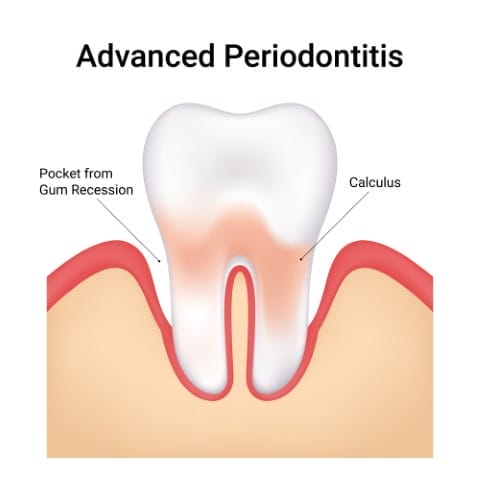
Periodontal disease is a chronic bacterial infection that attacks the gums, connective tissues, and bone that support your teeth. It begins when plaque — a sticky film of bacteria — accumulates along and beneath the gum line. If plaque is not removed through daily brushing and flossing and regular professional cleanings, it hardens into tartar (calculus), which cannot be removed at home and provides a rough surface where more bacteria thrive.
The bacteria in plaque and tartar trigger an inflammatory response in the gum tissue. Over time, this chronic inflammation destroys the gum tissue and bone that hold your teeth in place, creating pockets between the teeth and gums where more bacteria collect. Without treatment, the pockets deepen, more bone is lost, and teeth eventually become loose or require extraction. Periodontal disease is the leading cause of tooth loss in adults.
Expert Care
Personalized treatment by Dr. Nguyen
Stages of Gum Disease
Gum disease progresses through distinct stages. Understanding where you are on this spectrum is essential for getting the right treatment at the right time:
| Stage | What Happens | Signs | Reversible? | Treatment |
|---|---|---|---|---|
| Gingivitis | Gums inflamed by plaque; no bone loss yet | Red, swollen, bleeding gums; bad breath | Yes — fully reversible | Professional cleaning, improved home care |
| Early Periodontitis | Infection spreads below gum line; early bone loss begins | Deeper pockets (4-5mm), slight recession, persistent bad breath | Damage can be halted | Scaling & root planing (deep cleaning) |
| Moderate Periodontitis | Significant bone loss; gum pockets deepen | Pockets 5-7mm, noticeable recession, shifting teeth, pus | Managed, not reversed | SRP + antimicrobial therapy + maintenance |
| Advanced Periodontitis | Severe bone destruction; teeth lose support | Pockets 7mm+, loose teeth, pain, severe recession, tooth loss | Aggressive intervention needed | Surgery, bone grafting, extraction, implants |
Ready to get started?
Schedule a consultation and take the first step toward better oral health.
Expert Care
Personalized treatment by Dr. Nguyen
Signs and Symptoms of Gum Disease
Gum disease is often called a "silent disease" because it can progress significantly before causing noticeable pain. Many patients do not realize they have gum disease until it has advanced. Dr. Nguyen checks for signs of periodontal disease at every dental exam, but you should also watch for these warning signs:
Gums that bleed when you brush, floss, or eat — this is never normal and is the most common early sign of gingivitis
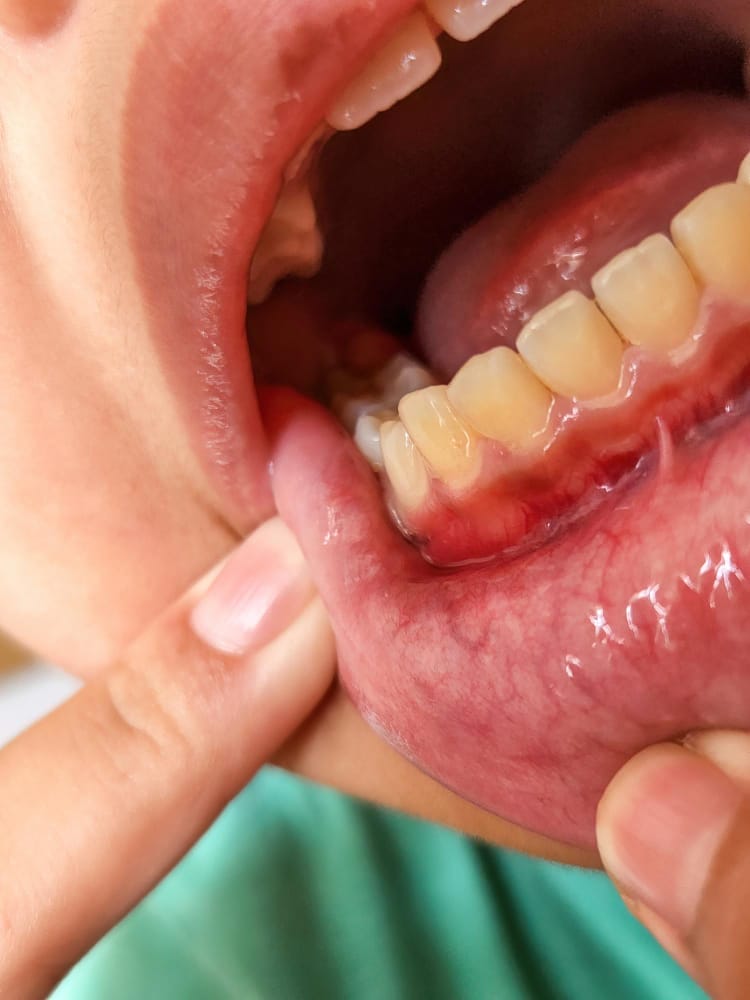
Healthy gums are firm and pink — gums that appear red, puffy, or feel tender indicate inflammation
Teeth appearing longer or exposed roots indicate gum recession, a common sign of periodontitis
Chronic halitosis caused by bacteria in infected periodontal pockets
Teeth that feel loose, drift out of position, or develop new gaps indicate bone loss
Discomfort when biting or chewing may indicate periodontal disease affecting tooth support
If you notice any of these symptoms, contact our office at (510) 848-0114 to schedule a periodontal evaluation. Early treatment can prevent the disease from progressing.
Causes and Risk Factors for Gum Disease
While bacterial plaque is the primary cause of periodontal disease, several factors can increase your susceptibility and accelerate progression:
Irregular brushing, not flossing daily, and skipping professional cleanings allow plaque and tartar to accumulate
One of the most significant risk factors — impairs blood flow to the gums, weakens immune response, and makes treatment less effective
A two-way relationship — diabetes increases susceptibility to gum disease, while untreated gum disease can make blood sugar harder to control
Some individuals are genetically more susceptible, even with excellent oral hygiene — more frequent monitoring may be needed
Certain blood pressure drugs, anticonvulsants, and immunosuppressants can affect gum health by reducing saliva or causing tissue changes
Excessive forces can accelerate destruction of periodontal tissues. Visit our bruxism treatment page for more information
Other risk factors include hormonal changes (pregnancy, menopause), chronic stress, poor nutrition, and systemic health conditions affecting the immune system.
Expert Care
Personalized treatment by Dr. Nguyen
How Gum Disease Affects Your Overall Health
Research over the past two decades has established clear links between chronic periodontal disease and several serious systemic health conditions. The bacteria and inflammatory molecules associated with gum disease can enter the bloodstream and affect organs throughout the body. For a deeper dive into this topic, read our blog post: "Periodontal Disease and Your General Health."
Heart Disease & Stroke
Chronic inflammation may contribute to arterial plaque buildup and blood clots
Diabetes Complications
Bidirectional relationship — treating gum disease can improve blood sugar management
Respiratory Infections
Bacteria from periodontal pockets can be inhaled and worsen conditions like pneumonia
Pregnancy Complications
Higher risk of preterm birth and low birth weight with untreated periodontitis
Rheumatoid Arthritis
Periodontal bacteria linked to inflammation that drives arthritis symptoms
Alzheimer's Disease
Emerging research links chronic periodontitis bacteria to cognitive decline
These connections underscore that periodontal health is not just about your teeth and gums. Maintaining healthy gums is an investment in your overall physical health. Read our full blog post on the systemic health connection →
Ready to get started?
Schedule a consultation and take the first step toward better oral health.
Periodontal Treatment Options at Acorn Family Dental Care
Dr. Nguyen takes a personalized, evidence-based approach to periodontal care. Treatment is tailored to the stage and severity of your gum disease:
Dr. Nguyen measures pocket depths around each tooth, examines gums for inflammation and recession, reviews dental X-rays for bone levels, and evaluates your overall oral and medical health. This determines the stage, severity, and guides your treatment plan.
For patients with healthy gums or mild gingivitis, a professional dental cleaning during your regular twice-yearly exam removes plaque and tartar above the gum line and prevents gum disease from developing or progressing. This is the first line of defense.
The gold-standard non-surgical treatment for early to moderate periodontitis. This procedure removes plaque, tartar, and bacterial toxins from below the gum line and from root surfaces. Root surfaces are then smoothed (planed) to encourage gums to reattach to tooth roots. Performed under local anesthesia for comfort.
In some cases, local antimicrobial therapy is placed directly into periodontal pockets after scaling and root planing. These slow-release antibiotics help kill bacteria in hard-to-reach areas and can improve healing outcomes. Antimicrobial mouth rinses may also be prescribed.
After initial treatment, the disease must be actively managed. Maintenance cleanings are more thorough than standard preventive cleanings and are typically scheduled every 3 to 4 months. Consistent maintenance is the single most important factor in long-term periodontal health.
For advanced periodontitis, options include pocket reduction surgery, soft tissue grafts, bone grafting to rebuild destroyed bone, and guided tissue regeneration. If teeth are lost, dental implants are often the best long-term replacement. Dr. Nguyen works closely with local periodontists for advanced treatment.
Expert Care
Personalized treatment by Dr. Nguyen
How to Prevent Gum Disease
The best treatment for gum disease is prevention. These daily habits and professional care practices form the foundation of healthy gums:
Soft-bristled toothbrush, fluoride toothpaste, two full minutes — focus on the gum line. Electric toothbrushes are especially effective.
Removes plaque from between teeth and below the gum line where gum disease commonly begins.
Regular professional cleanings every 6 months remove tartar and detect early signs before they progress.
Quitting tobacco is one of the most impactful things you can do for gum health — it dramatically increases disease risk.
A custom night guard can reduce damaging forces that accelerate periodontal breakdown. Visit our teeth grinding and bruxism page.
Gum Disease and Bad Breath (Halitosis)
Persistent bad breath that does not improve with brushing, flossing, or mouthwash is one of the most common early signs of periodontal disease. The bacteria hiding in deep periodontal pockets produce sulfur compounds that cause a characteristic foul odor. Until the underlying infection is treated, no amount of mints or mouthwash will resolve the problem. If chronic bad breath is a concern, Dr. Nguyen can evaluate whether gum disease is the cause. Learn more about chronic halitosis treatment →
Frequently Asked Questions About Gum Disease and Periodontal Treatment








Gum Disease Treatment for Berkeley, Albany, El Cerrito, Oakland & the East Bay
Healthy gums are the foundation of a healthy smile. If you are experiencing bleeding gums, gum recession, persistent bad breath, or any other signs of gum disease, Acorn Family Dental Care can help. Dr. Teah Nguyen provides comprehensive periodontal evaluation and treatment at our Berkeley office at 2999 Regent St #302, serving patients from Albany, El Cerrito, Kensington, Oakland, Emeryville, and Richmond.
Do not wait for gum disease to progress. Early treatment is simpler, less invasive, and far more effective than treating advanced periodontal disease. Contact us at (510) 848-0114 or use our online booking form to schedule your periodontal evaluation. We accept most dental insurance plans and offer a membership plan for uninsured patients. New patients are always welcome.
Related Articles
Expert insights and tips from our dental team
 periodontal disease
May 16, 2026
Gum Disease and Your Overall Health: What the Latest Research Shows
Nearly half of adults have gum disease — and it affects far more than your teeth. Learn how periodontal disease is linked to heart disease, diabetes, Alzheimer's, and more.
Read article gum disease
May 4, 2026
Early Signs of Gum Disease: What to Look For Before It Gets Worse
Bleeding when you brush? Persistent bad breath? Dr. Nguyen breaks down 8 early signs of gum disease — and the simple steps that can reverse it before it costs you a tooth.
Read article autoimmune disease
Apr 1, 2026
Autoimmune Disease? How to Protect Your Teeth and Gums
Sjogren's, lupus, and rheumatoid arthritis attack your mouth too. Learn how autoimmune patients can prevent dry mouth, gum disease, and tooth decay.
Read article