Dental Bridges in Berkeley, CA
Bridge the Gap from Missing Teeth to Your Complete Smile
Replace missing teeth with a fixed, natural-looking dental bridge custom-crafted for your smile.
Understanding the investment in your smile is essential. Here is complete cost transparency for dental bridges in Berkeley.
Cost by Bridge Type
| Bridge Type | Cost Range | Best For |
|---|---|---|
| Traditional Bridge (3-unit) | $2,500 - $4,500 | 1-2 consecutive missing teeth |
| Traditional Bridge (4-unit+) | $3,500 - $6,000 | Multiple consecutive missing teeth |
| Maryland Bridge | $1,500 - $2,500 | Front teeth (aesthetic zone) |
| Implant-Supported Bridge | $4,000 - $16,000 | Long spans, no healthy adjacent teeth |
Insurance & Payment Options
Typical Insurance Coverage
- 50% Coverage for bridges (Major Restorative).
- Annual maximums ($1,000-$2,000) usually apply.
- We handle all claims and pre-authorizations.
Payment Plans
- Flexible monthly payments from $150/mo.
- 0% Interest financing available.
- CareCredit, Cherry & HSA/FSA accepted.
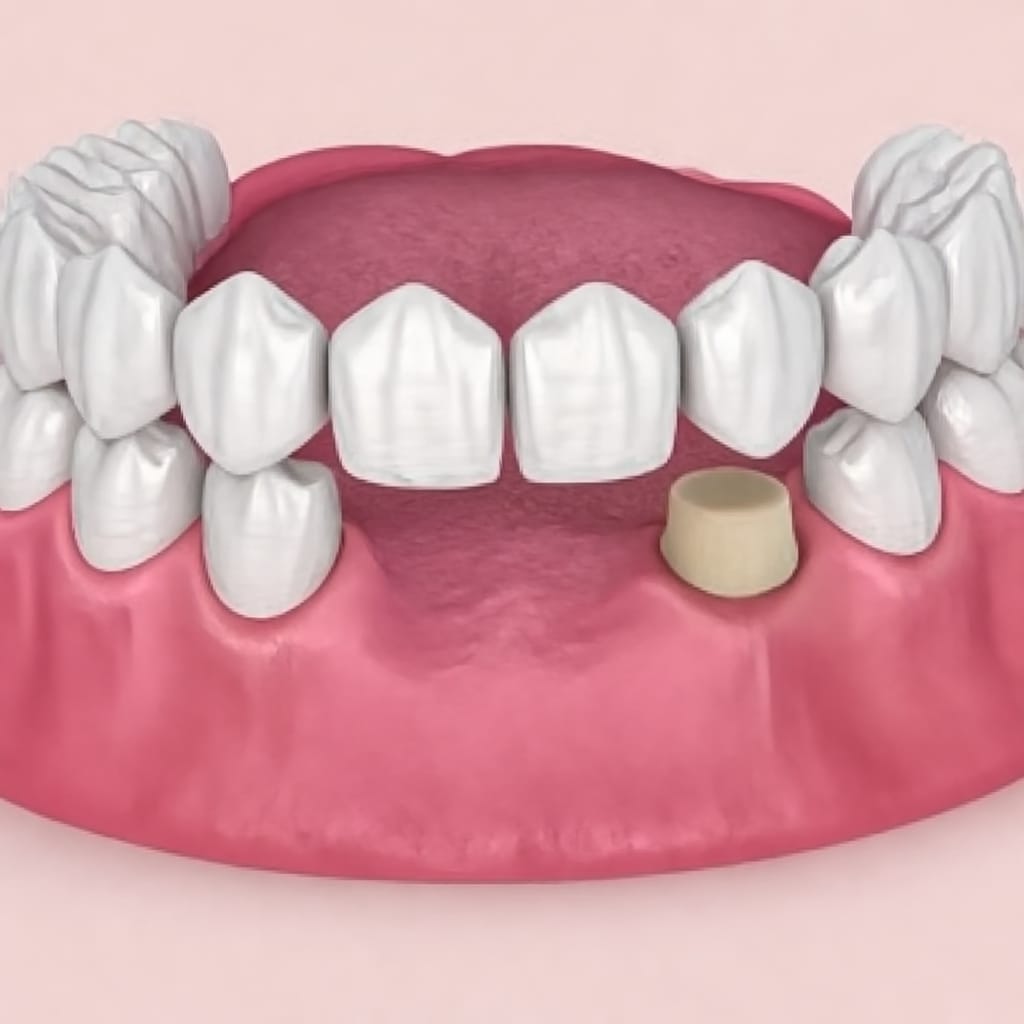
Dental Bridge vs Implant vs Partial Denture
Choosing the best tooth replacement option depends on your budget, timeline, and goals. Here is an honest comparison.
| Feature | Dental Bridge | Dental Implant | Partial Denture |
|---|---|---|---|
| Cost | $2,500 - $6,000 | $3,000 - $6,000/tooth | $500 - $2,500 |
| Timeline | 2-3 Weeks | 3-6 Months | 4-6 Weeks |
| Longevity | 10-15 Years | 20+ Years (Lifetime) | 5-8 Years |
| Surgery? | No | Yes | No |
| Adjacent Teeth | Must be crowned | Unaffected | Used for clasps |
Dr. Nguyen's Advice: Bridges are excellent if your adjacent teeth already need crowns. If your neighbors are perfectly healthy, an implant might be arguably better to preserve them.
Expert Care
Personalized treatment by Dr. Nguyen

Expert Care
Personalized treatment by Dr. Nguyen
How Long Do Dental Bridges Last?
A well-made bridge typically lasts 10-15 years, with many patients enjoying them for 20+ years.
Secrets to Long-Lasting Bridges:
- Clean Underneath: Use a floss threader or water flosser daily cleaning under the false tooth (pontic).
- Avoid Hard Foods: Don't chew ice, hard candy, or bones, which can chip the porcelain.
- Regular Checkups: We check the margins for leaks or decay every 6 months.
- Night Guard: If you grind your teeth, a guard is mandatory to prevent porcelain fracture.
When to Replace: If a bridge feels loose, you notice a bad taste/smell, or gums bleed easily, call us immediately. Early detection can save the supporting teeth.
Ready to get started?
Schedule a consultation and take the first step toward better oral health.
Am I a Candidate for a Bridge?
Not everyone is a candidate for a bridge. Success depends on the health of your supporting teeth.
Good Candidate
- Missing 1-3 consecutive teeth.
- Strong, healthy bone support.
- Healthy adjacent teeth capable of holding crowns.
- Excellent oral hygiene habits.
- Nonsmoker (or willing to quit).
Risk Factors
- Severe gum disease (must be treated first).
- Weak or mobile adjacent teeth.
- Long span of missing teeth (3+).
- Severe teeth grinding (bruxism).
If you aren't a candidate for a bridge, dental implants or a specific type of partial denture may be your best solution.
Frequently Asked Questions About Dental Bridges
Related Articles
Expert insights and tips from our dental team
 dental crowns
May 30, 2026
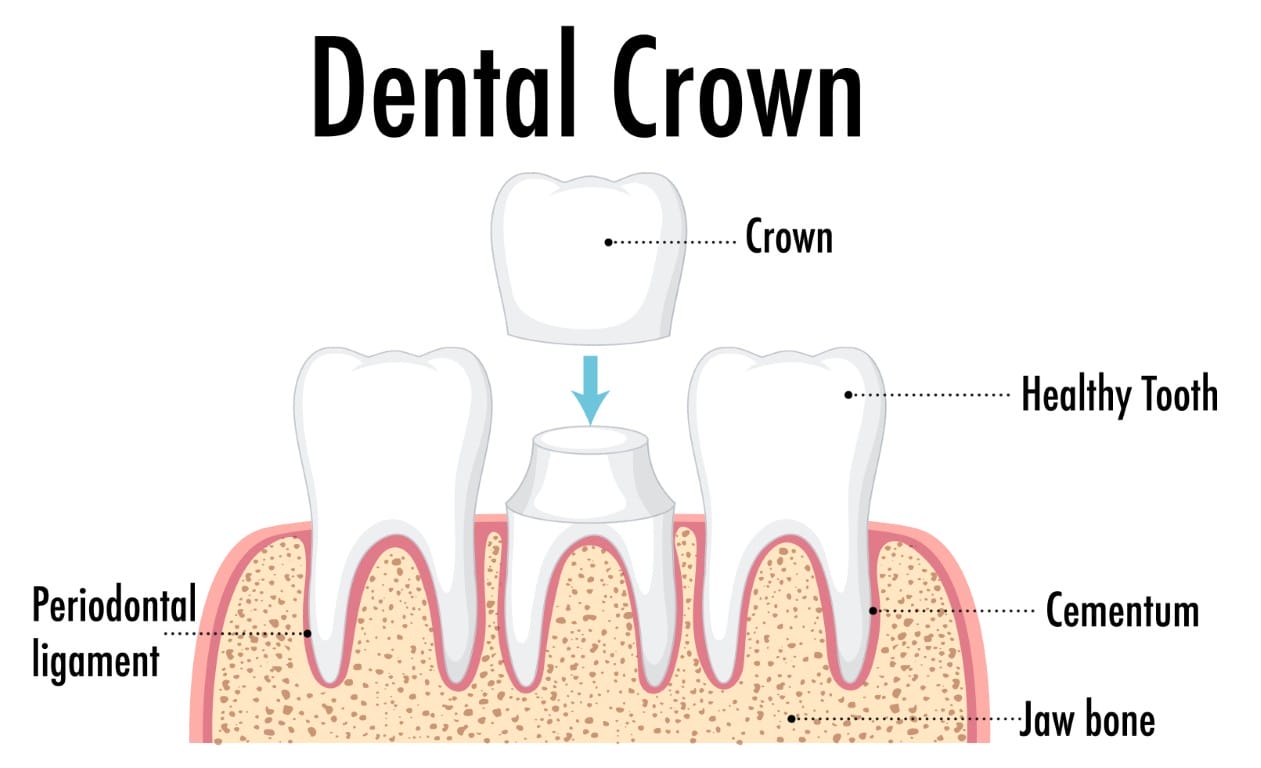
Dental Crown Fell Off? Here's Exactly What to Do
Crown fell off? Follow these 3 steps to protect your tooth, ease sensitivity, and get back to normal fast. Emergency care available at Acorn Family Dental in Berkeley: (510) 848-0114.
Read article dental implants
May 10, 2026
Dental Implants Cost in Berkeley: What to Budget in 2026
What do dental implants cost in Berkeley in 2026? Real price ranges for single, multiple, and full-arch implants — plus what insurance covers and how to finance the gap.
Read article dental fillings
Dec 25, 2024
Filling Still Hurts? Why Pain After a Filling Is Normal
Tooth pain after a new filling is common but should fade in days. Learn when post-filling sensitivity is normal and when it means you need to see your dentist.
Read article