

TMJ/TMD Treatment in Berkeley, CA
Immediate Relief for Jaw Pain, Clicking & Headaches
Non-surgical jaw pain relief with custom night guards, physical therapy, and comprehensive TMJ care.
At Acorn Family Dental Care, Dr. Teah Nguyen specializes in diagnosing and treating TMJ/TMD disorders. If you are suffering from chronic jaw pain, headaches, clicking sounds, or limited movement, you don't have to live with the discomfort.
Serving Berkeley, Albany, El Cerrito & Oakland, we offer personalized, non-invasive treatments to restore comfort and function to your jaw.

Do You Have TMJ Disorder? Symptom Checker
TMJ/TMD affects millions of people. Use this checklist to see if you should seek professional evaluation:
Primary Symptoms
- Jaw Pain: Pain in front of ears, especially when chewing or talking
- Clicking/Popping: Sounds when moving jaw
- Locking: Jaw "catches" or locks open/closed
- Limited Opening: Cannot open mouth wide enough for 3 fingers
Associated Signs
- Headaches: Frequent pain in temples or forehead
- Ear Pain: Aches or ringing without infection
- Bruxism: Grinding or clenching teeth at night
- Neck Pain: Tension radiating to neck and shoulders
If you have 3+ symptoms, schedule an evaluation today: (510) 848-0114
What Causes TMJ Disorder?
Common Causes
- Teeth Grinding (Bruxism): Excessive force during sleep wears down the joint and inflames muscles.
- Jaw Misalignment: If teeth don't fit together properly (malocclusion), it stresses the joint.
- Stress & Tension: Emotional stress leads to unconscious clenching and tight jaw muscles.
- Arthritis & Trauma: Joint degeneration or past injuries can cause long-term pain.
- Poor Posture: "Tech neck" or forward head posture strains jaw and neck muscles.
Expert Care
Personalized treatment by Dr. Nguyen
Ready to get started?
Schedule a consultation and take the first step toward better oral health.
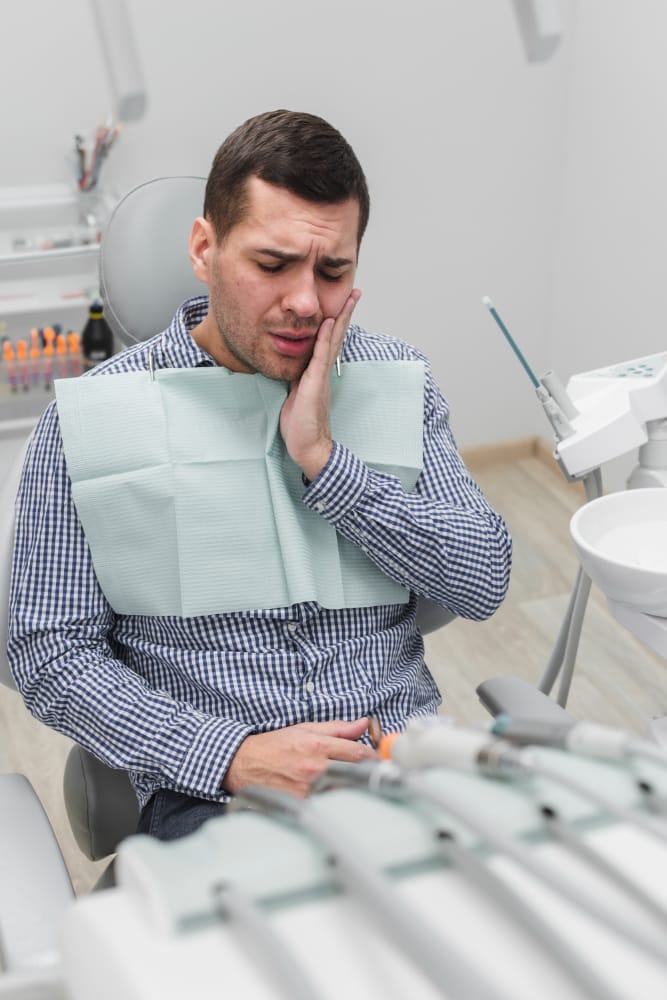
Expert Care
Personalized treatment by Dr. Nguyen
Comprehensive Treatment Options
Dr. Nguyen believes in a conservative, staged approach. 90% of patients find relief without surgery.
1. Custom Night Guards (Occlusal Splints)
The most common and effective treatment. A custom-fitted appliance worn at night that prevents grinding, positions the jaw optimally, and allows muscles to relax.
Success Rate: 70-80%
2. Physical Therapy & Exercises
Gentle stretching, strengthening exercises, and posture correction to restore range of motion and reduce tension.
3. Medications
Short-term use of anti-inflammatories (NSAIDs) or muscle relaxants to break the pain cycle.
4. Advanced Therapies
If conservative care isn't enough, we may recommend Botox injections (for severe muscle spasm), trigger point therapy, or referral for minimally invasive procedures.
Treatment Cost & Insurance Coverage
We believe in transparent pricing. Most dental and medical insurance plans provide coverage for TMJ diagnosis and treatment.
| Treatment | Est. Cost Range | Typical Insurance Coverage |
|---|---|---|
| Initial Evaluation | $150 - $300 | ~80% Covered |
| Custom Night Guard | $300 - $700 | 50-80% Covered |
| Physical Therapy | $100 - $200 / session | Often Covered (Medical) |
| Botox (if needed) | $400 - $1,000 | Varies widely |
Flexible Payment Options
We handle your insurance claims to maximize benefits. For out-of-pocket costs, we accept CareCredit and offer monthly payment plans starting at $50/mo. Don't let cost stop you from getting pain relief.
TMJ Self-Help: Immediate Relief
What to DO Today
- Moist Heat/Ice: Ice for acute pain (sharp), Heat for muscle tightness (dull ache).
- Soft Diet: Eat yogurt, smoothies, soups, and soft pasta for a few days.
- Jaw Rest: Keep lips together, teeth apart. Avoid wide yawning.
- Massage: Gently massage the jaw muscles in circular motions.
What to AVOID
- Chewing Gum: Constant motion aggravates the joint.
- Hard Foods: Avoid bagels, nuts, raw carrots, and tough meats.
- Nail Biting: Bad habit that strains the jaw.
- Phone Cradling: Don't hold your phone between shoulder and ear.
Important: If symptoms persist for more than 2 weeks despite home care, professional treatment is necessary to prevent permanent damage.
Ready to get started?
Schedule a consultation and take the first step toward better oral health.
Frequently Asked Questions
Related Articles
Expert insights and tips from our dental team
 tmj
tmjMar 18, 2026
TMJ Treatment in Berkeley: How Your Dentist Can Help with Jaw Pain
Suffering from jaw pain, clicking, or headaches? Learn about TMJ treatment options in Berkeley and how Acorn Family Dental Care can help relieve TMJ disorder symptoms.
Read article divers mouth syndrome
Sep 30, 2017
Diver’s Mouth Syndrome: Causes, Symptoms, and How to Prevent Jaw Pain While Diving
Jaw pain or tooth sensitivity after scuba diving? Learn what Diver’s Mouth Syndrome is, why it happens, and how to protect your teeth before your next dive.
Read article bruxism
Feb 27, 2024
How Bruxism Really Damages Your Teeth
Bruxism, or teeth grinding, can lead to serious dental issues including tooth fractures, enamel wear, and jaw pain. Learn the symptoms, risks, and effective treatments.
Read article