Sleep Apnea Treatment in Berkeley, CA
Stop Snoring & Sleep Better with Custom Oral Appliances
Custom oral appliance therapy — a comfortable, FDA-approved CPAP alternative for mild-to-moderate sleep apnea and snoring.
At Acorn Family Dental Care, we understand that snorring isn't just an annoyance — it can be a sign of a serious health condition.
Obstructive Sleep Apnea (OSA) affects millions of Americans, robbing them of rest and putting their health at risk. Dr. Teah Nguyen provides Oral Appliance Therapy, a comfortable, FDA-approved alternative to CPAP for mild-to-moderate sleep apnea and snoring.
Do You Have Sleep Apnea? Symptom Checker
Many people don't realize they have sleep apnea. Ask yourself (or your bed partner) these questions:
Nighttime Signs
- Loud Snoring: Snoring that wakes others or can be heard through walls.
- Gasping/Choking: Waking up suddenly gasping for air.
- Breathing Pauses: Your partner notices you stop breathing for seconds at a time.
- Restless Sleep: Tossing, turning, or battling the sheets.
Daytime Symptoms
- Excessive Fatigue: Feeling tired even after a full night's sleep.
- Morning Headaches: Waking up with a dull ache or dry mouth.
- Brain Fog: Difficulty concentrating or remembering things.
- Irritability: Mood swings or depression.
If you checked 3+ symptoms, you may need an evaluation.
Call (510) 848-0114
The Hidden Killer: Health Dangers
Serious Complications Include:
- Heart Disease & Stroke: Increases risk of heart attack, stroke, and irregular heartbeat (AFib).
- High Blood Pressure: 50% of people with sleep apnea have hypertension.
- Type 2 Diabetes: Worsens insulin resistance and blood sugar control.
- Weight Gain: Disrupts hunger hormones, making it harder to lose weight.
Treating sleep apnea doesn't just help you sleep — it can save your life.
Expert Care
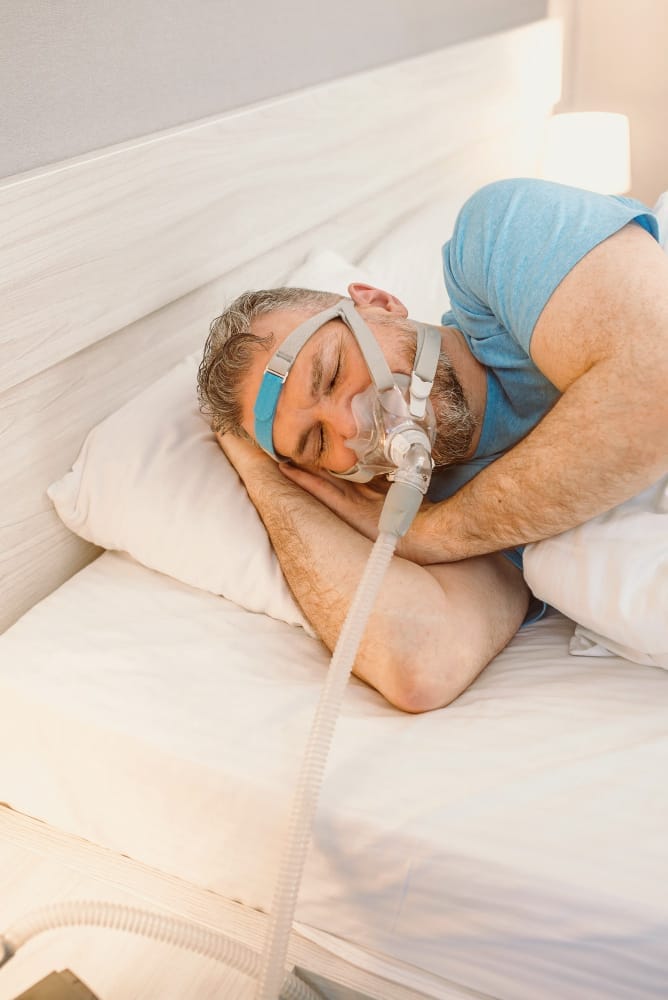
Personalized treatment by Dr. Nguyen
Ready to get started?
Schedule a consultation and take the first step toward better oral health.
Expert Care
Personalized treatment by Dr. Nguyen
CPAP vs. Oral Appliance Therapy
While CPAP is effective, 50% of patients stop using it because it's uncomfortable. Oral Appliance Therapy (OAT) is a proven alternative.
| CPAP Machine | Oral Appliance |
|---|---|
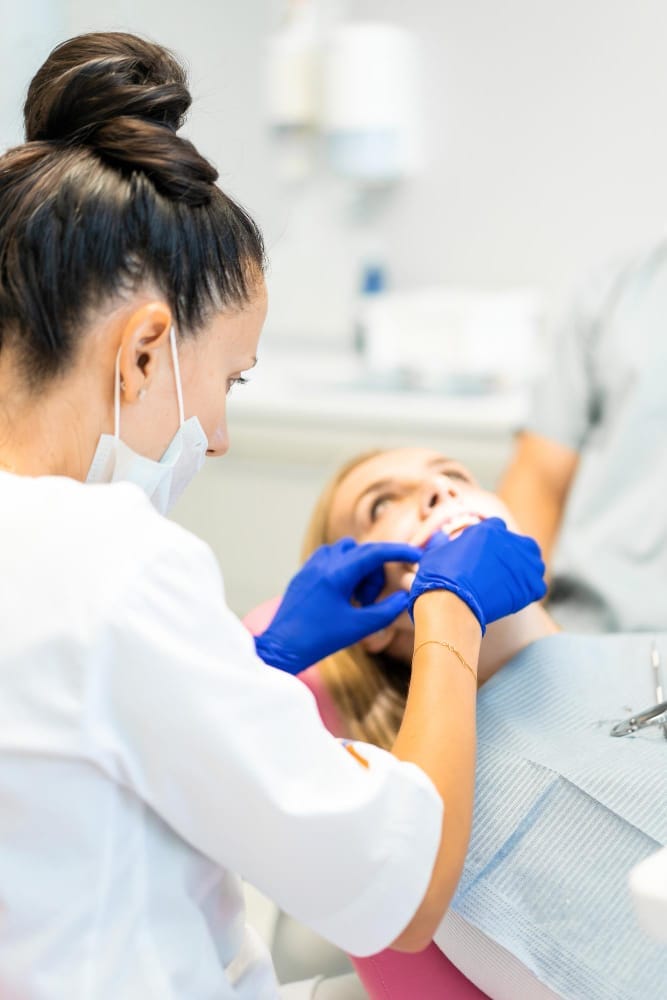
| Mask on face & hose | Small mouthpiece (like a sports guard) |
| Requires electricity & distilled water | No power needed, fits in pocket |
| Can be noisy & disturb partner | Silent operation |
| Best for SEVERE apnea | Best for MILD-MODERATE apnea |
| 50% Compliance (Hard to stick with) | 90% Compliance (Easy to use) |
How it works: The custom-fitted device gently positions your lower jaw forward, keeping your airway open while you sleep. Most patients adapt within a few nights.
Cost & Insurance Coverage
At Acorn Family Dental Care, we help make treatment affordable. We work with your medical insurance to maximize your benefits.
| Service | Est. Cost | Typical Coverage |
|---|---|---|
| Home Sleep Test | $150 - $300 | ~80% (Medical Ins.) |
| Custom Oral Appliance | $1,500 - $3,000 | ~80% (Medical Ins.)* |
| CPAP Machine | $500 - $3,000 | Varies |
*Coverage typically requires a medical diagnosis of OSA and sometimes a failed CPAP trial.
Payment Options
- We verify your Medical Insurance benefits for you.
- Flexible monthly payment plans available (starting at ~$100/mo).
- HSA/FSA funds accepted.
- CareCredit financing available.
- Cherry patient financing — apply in minutes.
Frequently Asked Questions
Related Articles
Expert insights and tips from our dental team
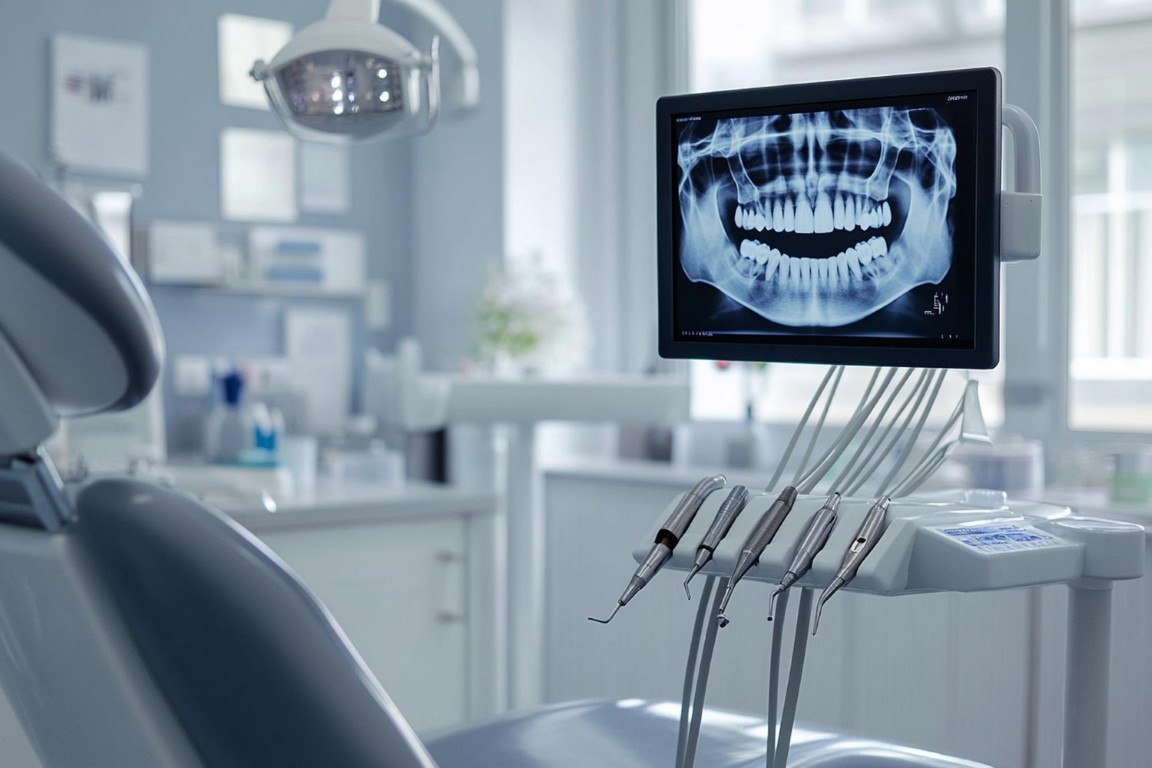 sleep apnea
May 16, 2026
Sleep Apnea Oral Appliance vs. CPAP: Which Works Better?
An oral appliance can replace CPAP for many sleep apnea patients. Here's how it works, who it fits, and what dentist-fitted treatment costs in Berkeley.
Read article insomnia
May 15, 2024
How Insomnia Damages Your Teeth and Gums
Poor sleep triggers grinding, dry mouth, and gum disease. Learn the surprising link between insomnia and dental damage — plus how to protect your smile.
Read article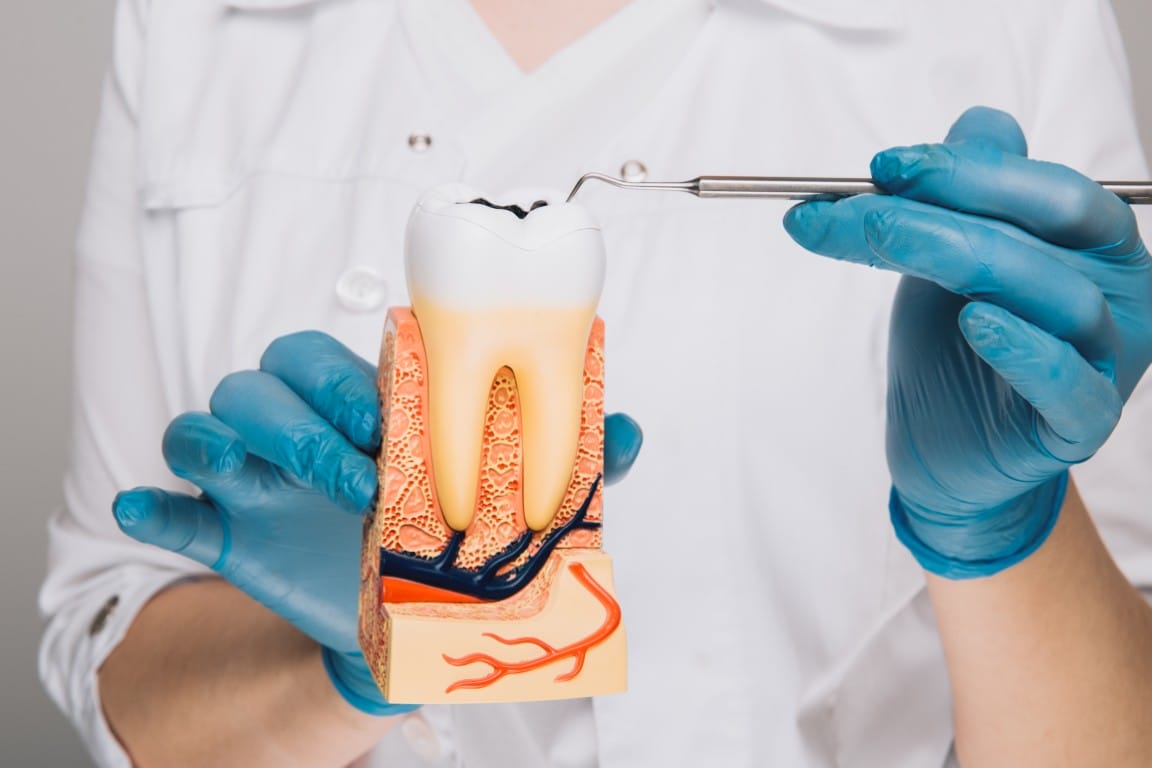 root canal
Jun 6, 2026
Root Canal Aftercare — How to Heal Faster (Day-by-Day Guide)
Just had a root canal in Berkeley? Dr. Nguyen's step-by-step aftercare guide covers what to eat, how long pain lasts, and when to call the office.
Read article