Dental Bone Grafting in Berkeley, CA
Advanced Bone Regeneration to Create a Strong, Stable Foundation for Lasting Restorations
Rebuild lost jawbone to create a strong foundation for dental implants and long-term oral health.
Jawbone loss is one of the most common consequences of missing teeth, and it is one of the most overlooked. When a tooth is lost, the jawbone in that area begins to deteriorate because it no longer receives stimulation from the tooth root. Over time, this bone loss can make it impossible to place dental implants, alter the fit of dentures, and even change the shape of your face. Bone grafting is a safe, well-established procedure that rebuilds lost jawbone, creating the strong, stable foundation needed for implants, improved denture fit, and long-term oral health.
At Acorn Family Dental Care in Berkeley, Dr. Teah Nguyen provides several types of bone grafting procedures, from routine socket preservation at the time of tooth extraction to more complex ridge augmentation and sinus lifts. Using advanced 3D imaging (CBCT scans) and proven grafting materials, she rebuilds jawbone with precision so that patients who have been told they are not candidates for implants can often become eligible after grafting. Our office serves patients from Berkeley, Albany, El Cerrito, Oakland, Kensington, Emeryville, Orinda, and the greater East Bay.
What Is Dental Bone Grafting?
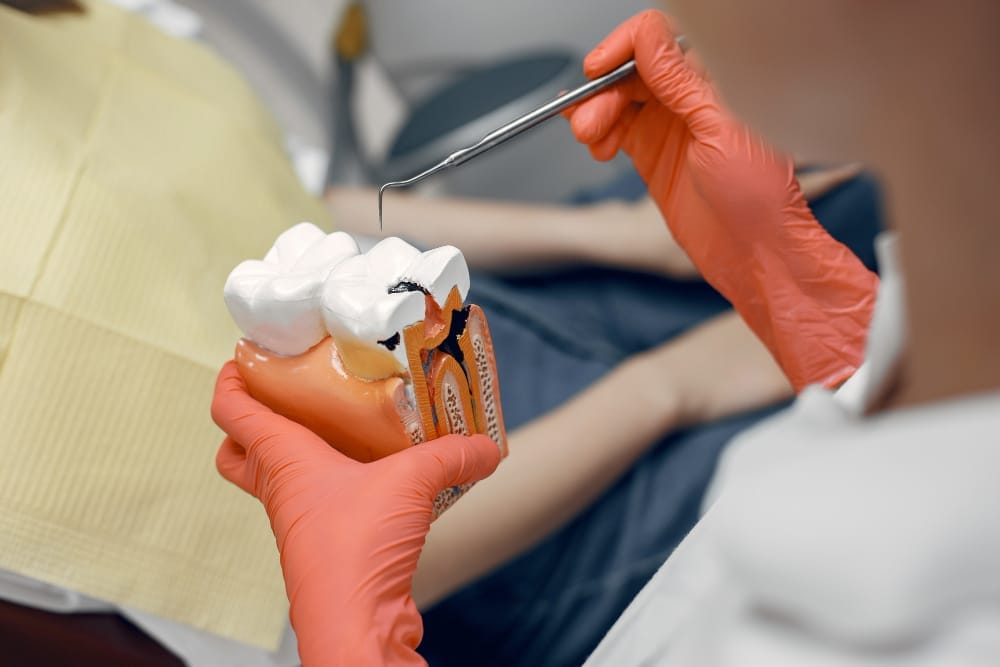
Dental bone grafting is a surgical procedure in which bone material is placed at a site in the jaw where bone has been lost or is insufficient. The graft material serves as a scaffold that encourages your body to generate new, natural bone cells in the area. Over a period of three to six months, your own bone grows into and replaces the graft material, resulting in a thicker, denser, and stronger jawbone.
Bone grafting is one of the most common procedures in implant dentistry. It has been performed successfully for decades with a high success rate, and modern materials and techniques have made it minimally invasive and highly predictable. Most dental bone grafts are performed in the office under local anesthesia with or without sedation, and recovery is comparable to a tooth extraction.
Expert Care
Personalized treatment by Dr. Nguyen
Expert Care
Personalized treatment by Dr. Nguyen
Why Does Jawbone Loss Occur?
Understanding the causes of jawbone loss helps explain why bone grafting is often necessary:
Ready to get started?
Schedule a consultation and take the first step toward better oral health.
Types of Bone Grafting Procedures
Dr. Nguyen performs several types of bone grafting procedures. The right approach depends on the location and extent of bone loss:
Performed immediately after tooth extraction to prevent rapid bone loss. Graft material placed directly into the empty socket and covered with a protective membrane. The most common and predictable grafting procedure.
Rebuilds the jawbone ridge that has lost significant width or height from months or years of missing teeth. Graft material placed along the deficient ridge with barrier membrane. 4-6 month healing. Can make previously ineligible patients candidates for implants.
Specialized procedure for the upper jaw. The sinus membrane is gently elevated and bone graft material placed beneath it. Increases bone height for upper back teeth implants. 4-9 months healing.
For severe bone loss requiring large volumes of reconstruction. A small block of bone harvested from another jaw area and secured with tiny screws. Provides the greatest volume of bone regeneration. 4-6 month healing.
Advanced technique using barrier membranes in combination with graft material to control and direct new bone growth. Prevents soft tissue from invading the graft site. Used alongside socket preservation, ridge augmentation, and around implants.
Bone Graft Materials: Understanding Your Options
The choice of graft material depends on the size and location of the defect, the planned restoration, and patient-specific factors:
| Feature | Autograft (Your Bone) | Allograft (Donor) | Xenograft (Animal) | Alloplast (Synthetic) |
|---|---|---|---|---|
| Source | Patient's own body | Human tissue bank | Animal bone (bovine) | Lab-created materials |
| Bone-Forming Ability | Highest — living cells | Good — growth scaffold | Good — long-lasting scaffold | Moderate — scaffold only |
| Rejection Risk | None (your own tissue) | Extremely low | Very low | None (synthetic) |
| Second Surgical Site | Yes — donor site required | No | No | No |
| Healing Time | 3-6 months | 3-6 months | 4-9 months | 3-6 months |
| Best For | Large defects, block grafts | Socket preservation, ridge | Sinus lifts, ridge | Smaller defects, GBR |
| Most Common Use | Major reconstruction | Most common in general dentistry | Sinus lifts, slow-resorbing | Guided bone regeneration |
At Acorn Family Dental Care, we most commonly use highly purified allograft material for routine procedures. This eliminates the need for a second surgical site while providing excellent bone regeneration. Dr. Nguyen will discuss the best graft material for your specific situation during your consultation.
The Bone Grafting Procedure: Step by Step
Comprehensive oral examination, medical history review, and CBCT scan revealing precise dimensions of bone loss, proximity to nerves and sinuses, and quality of existing bone. Used to select optimal grafting technique and create a detailed surgical plan.
Local anesthesia ensures you feel no pain. Sedation options available. Small incision in gum tissue to expose the bone. If combined with extraction, the extraction is performed first.
Bone graft material carefully placed and shaped. For GBR, a barrier membrane is placed over the graft. Platelet-rich fibrin (PRF) from your own blood may be used to accelerate healing.
Gum tissue repositioned and sutured. Detailed post-operative instructions for pain management, diet, and activity restrictions. Recovery is comparable to a routine tooth extraction.
3-9 month healing phase. Your body gradually replaces the graft scaffold with natural, living bone tissue through creeping substitution. Follow-up appointments with imaging to monitor progress.
Once adequate bone volume is confirmed, next phase begins — typically dental implant placement. Implants anchor securely in regenerated bone for a crown, bridge, or implant-supported denture.
Bone Graft Recovery: What to Expect
Mild to moderate swelling and discomfort. Ice packs (20 min on/off). Minor bleeding or oozing is expected. Take pain medication as directed.
Swelling peaks at 48-72 hours then subsides. Soft foods only. Avoid straws, smoking, and spitting. Do not brush directly over surgical site.
Most discomfort resolved. Gradually return to normal diet. Sutures removed at follow-up if non-resorbable.
Graft integrates with natural bone. No discomfort. Regular follow-ups and imaging to verify readiness for next phase of treatment.
Critical: Smoking is the single greatest risk factor for bone graft failure. Nicotine constricts blood vessels and impairs healing. Patients who smoke are strongly advised to quit at least two weeks before and eight weeks after the grafting procedure.
Expert Care
Personalized treatment by Dr. Nguyen
Bone Grafting Cost and Insurance Coverage
Cost Factors
- • Procedure type: Socket preservation is most affordable; sinus lifts and block grafts involve greater complexity
- • Graft material: Amount and type affect cost
- • Case complexity: Location, extent of bone loss, and anatomical considerations
- • Combined procedures: Grafting done with extraction can be more cost-efficient
Insurance & Financing
- • Many dental plans cover grafting when medically necessary (especially as implant prerequisite)
- • Medical insurance may cover trauma-related bone loss
- • Membership plan for uninsured patients
- • Flexible financing options available
- • Cherry patient financing — apply in minutes
- • Call (510) 848-0114 for a personalized estimate
Frequently Asked Questions About Bone Grafting
Bone Grafting for Patients in Berkeley, Albany, El Cerrito, Oakland, Orinda & the East Bay
If you need bone grafting to prepare for dental implants, improve denture fit, or repair jawbone damage, Acorn Family Dental Care is here to help. Dr. Teah Nguyen provides comprehensive bone grafting services at our Berkeley office at 2999 Regent St #302, conveniently located for patients from Albany, El Cerrito, Kensington, Oakland, Emeryville, Orinda, and Richmond.
Do not let bone loss stand between you and the smile restoration you deserve. Contact Acorn Family Dental Care at (510) 848-0114 or use our online booking form to schedule a bone grafting consultation with Dr. Teah Nguyen. We will evaluate your jawbone with 3D imaging, discuss your treatment options, and create a personalized plan. New patients are always welcome.
Related Articles
Expert insights and tips from our dental team
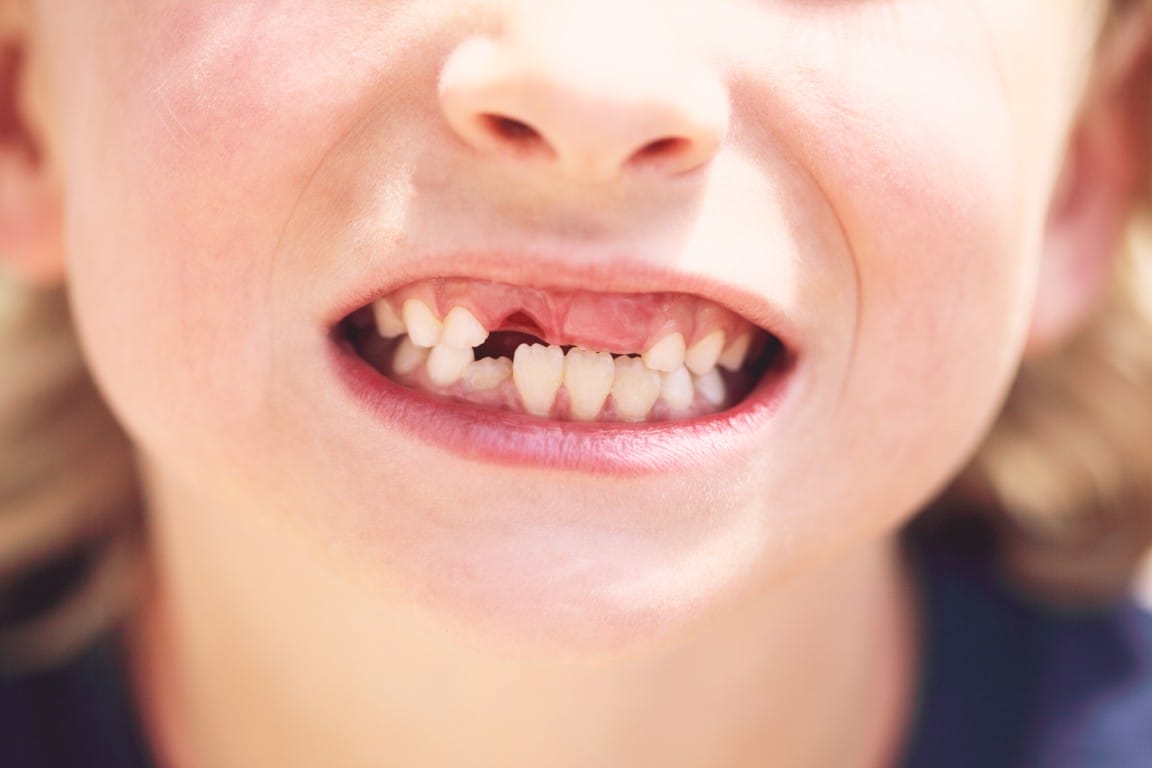 tooth loss
Jun 25, 2024
Missing One Tooth? The Domino Effect on Your Mouth
Losing a single tooth causes bone loss, shifting, and bite problems. Learn why replacing a missing tooth fast prevents a chain reaction of dental issues.
Read article dental fillings
Dec 25, 2024
Filling Still Hurts? Why Pain After a Filling Is Normal
Tooth pain after a new filling is common but should fade in days. Learn when post-filling sensitivity is normal and when it means you need to see your dentist.
Read article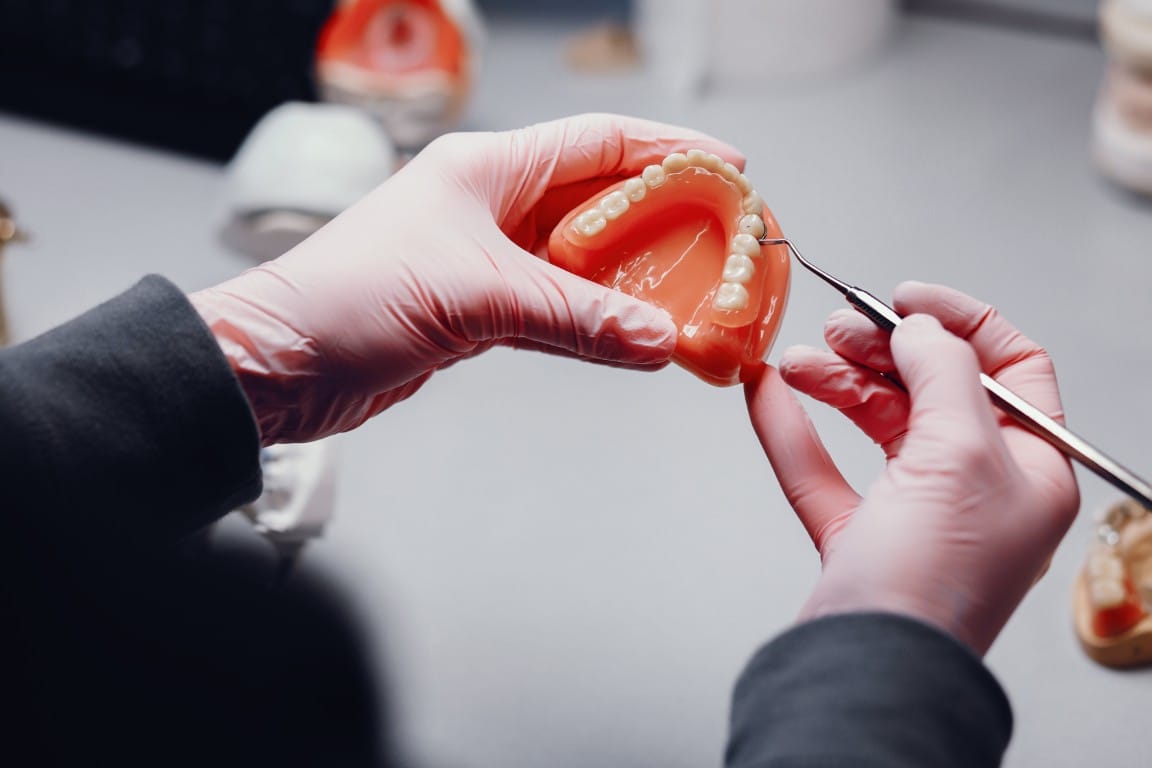 dentures
Dec 30, 2017
Getting Dentures? What to Know Before You Start
Full vs. partial, fit, cost, and daily care — everything you need to know before getting dentures so you feel confident and comfortable from day one.
Read article