

Teeth Grinding & Bruxism Treatment in Berkeley, CA
Custom Night Guards & Comprehensive Bruxism Care
Protect your teeth from the damaging effects of grinding with custom night guards and comprehensive care.
Do you wake up with a sore jaw, morning headaches, or teeth that feel sensitive and worn down? You may be grinding or clenching your teeth without even knowing it. Bruxism, the clinical term for habitual teeth grinding and jaw clenching, affects millions of adults and children and can cause serious, lasting damage to your teeth, jaw joints, and overall oral health if left untreated.
At Acorn Family Dental Care in Berkeley, Dr. Teah Nguyen diagnoses and treats bruxism using a conservative, multi-layered approach designed to protect your teeth, relieve jaw pain, and address the underlying causes of grinding. Whether you need a custom night guard, bite adjustment, or a comprehensive treatment plan that includes stress management and TMJ therapy, we are here to help. Our office serves patients from Berkeley, Albany, El Cerrito, Oakland, Kensington, Emeryville, and the greater East Bay.
What Is Bruxism?
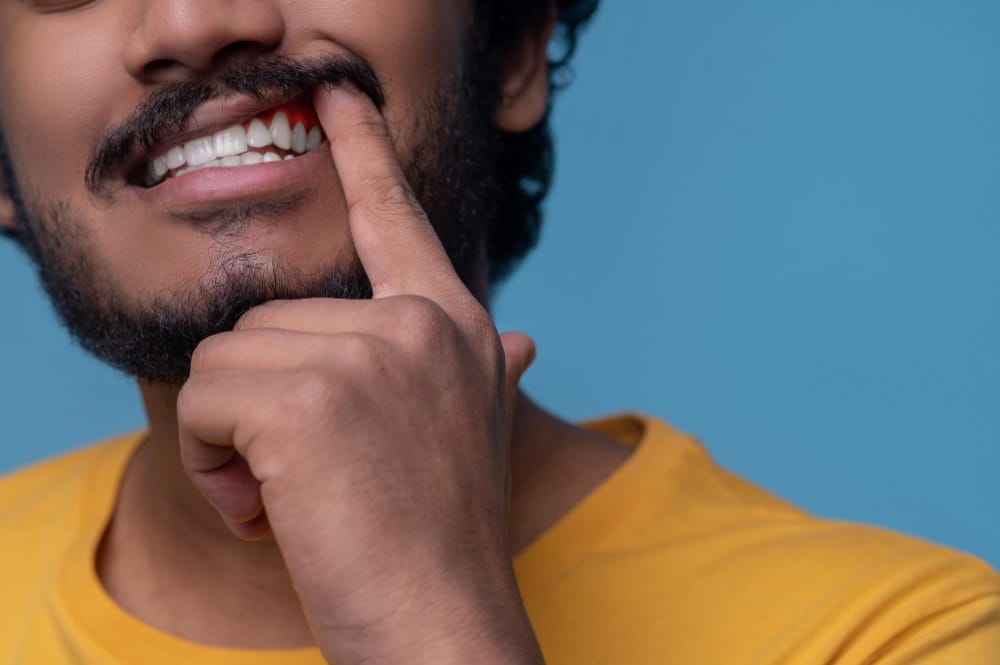
Bruxism is a condition in which you unconsciously grind, gnash, or clench your teeth. It can occur during the day (awake bruxism) or during sleep (sleep bruxism), and many people have both types. Sleep bruxism is classified as a sleep-related movement disorder and is often associated with other sleep conditions such as snoring and obstructive sleep apnea.
Occasional teeth grinding is common and usually harmless. However, chronic bruxism generates forces that can exceed 250 pounds of pressure per square inch — far more than normal chewing — and over time this extreme force damages tooth enamel, fractures teeth, strains jaw muscles, and can lead to temporomandibular joint (TMJ) disorders. Because sleep bruxism happens while you are unconscious, many people are completely unaware they grind until a dentist identifies the signs or a sleep partner hears the grinding sounds.
Awake vs. Sleep Bruxism
Awake Bruxism
Involves clenching or grinding during waking hours, often in response to stress, anxiety, concentration, or habit. More commonly characterized by clenching (pressing teeth tightly together) rather than side-to-side grinding. Can often be managed through habit awareness, behavioral modification, and stress reduction.
Sleep Bruxism
Involves rhythmic grinding or clenching during sleep — a sleep-related movement disorder occurring during lighter sleep stages. Strongly linked to sleep apnea and snoring. Because you cannot consciously control it, typically managed with a custom night guard and treatment of associated sleep disorders.
Expert Care
Personalized treatment by Dr. Nguyen
What Causes Teeth Grinding?
Bruxism rarely has a single cause. Instead, it usually results from a combination of physical, psychological, and lifestyle factors:
Stress & Anxiety
The most commonly cited trigger for both awake and sleep bruxism. Mental tension, worry, frustration, and anger manifest as jaw clenching and grinding — often worsening during stressful periods.
Sleep Disorders
Strongly associated with obstructive sleep apnea (OSA). Research suggests grinding may be the body's attempt to reopen the airway. Snoring and insomnia are also linked.
Bite Misalignment
When upper and lower teeth don't fit together properly, the jaw may subconsciously seek a comfortable resting position, leading to grinding and uneven force distribution.
Medications & Substances
SSRIs, antidepressants, ADHD stimulants, and some antipsychotics have been linked to bruxism. Excessive caffeine, alcohol, and recreational drug use also increase grinding.
Genetics & Lifestyle
Sleep bruxism tends to run in families. High caffeine intake, smoking, and heavy alcohol consumption are also associated with increased bruxism frequency and severity.
Other Medical Conditions
Bruxism has been associated with Parkinson's disease, GERD, ADHD, and certain neurological conditions.
Ready to get started?
Schedule a consultation and take the first step toward better oral health.
Expert Care
Personalized treatment by Dr. Nguyen
Signs and Symptoms of Teeth Grinding
Because bruxism often occurs during sleep, you may not realize you grind your teeth until significant damage has already occurred. Dr. Nguyen can identify signs during a routine dental exam, but being aware of these symptoms can help you seek treatment sooner:
Biting surfaces appear unusually flat, smooth, or shortened with small chips or fractures.
Jaw muscles feel tired, tight, or sore — especially upon waking. Soreness may extend to neck and shoulders.
Frequent headaches upon waking, particularly in the temple area — a hallmark of sleep bruxism from sustained muscle tension.
As enamel wears away, underlying dentin becomes exposed, causing sensitivity to hot, cold, sweet, and acidic foods.
Clicking or popping sounds when opening/closing your mouth, difficulty opening fully, or jaw locking. Learn more about TMJ disorders.
TMJ strain produces ear-like pain without infection. Scalloped tongue edges and inner cheek bite marks are telltale signs of nighttime clenching.
How Bruxism Damages Your Teeth and Dental Work
Chronic teeth grinding generates forces far beyond what your teeth are designed to withstand during normal chewing. Over months and years, this excessive force causes cumulative damage that can be costly and complex to repair. For a detailed look, read our blog post: "How Bruxism Really Damages Your Teeth."
Enamel Erosion & Tooth Wear
Grinding progressively wears down enamel, the hardest substance in your body. Once gone, softer dentin is exposed, causing sensitivity and increased decay risk. Severe cases wear teeth down to stumps.
Cracked & Fractured Teeth
Repeated stress causes vertical cracks, fracture lines, and in severe cases, complete fractures requiring crowns or extraction.
Root Fractures & Restoration Damage
Fractures below the gum line may require root canal therapy. Fillings, crowns, veneers, and bridges can crack, loosen, or fail prematurely.
TMJ Disorders & Gum Recession
Chronic grinding overworks jaw muscles and strains the TMJ, leading to pain, clicking, and limited movement. Lateral grinding forces can also contribute to gum recession.
Expert Care
Personalized treatment by Dr. Nguyen
Bruxism Treatment Options at Acorn Family Dental Care
Dr. Nguyen takes a comprehensive, conservative-first approach to bruxism treatment. Because bruxism is often driven by multiple factors, the most effective treatment plans typically combine protective measures with therapies addressing underlying causes:
Custom Night Guards (Occlusal Splints)
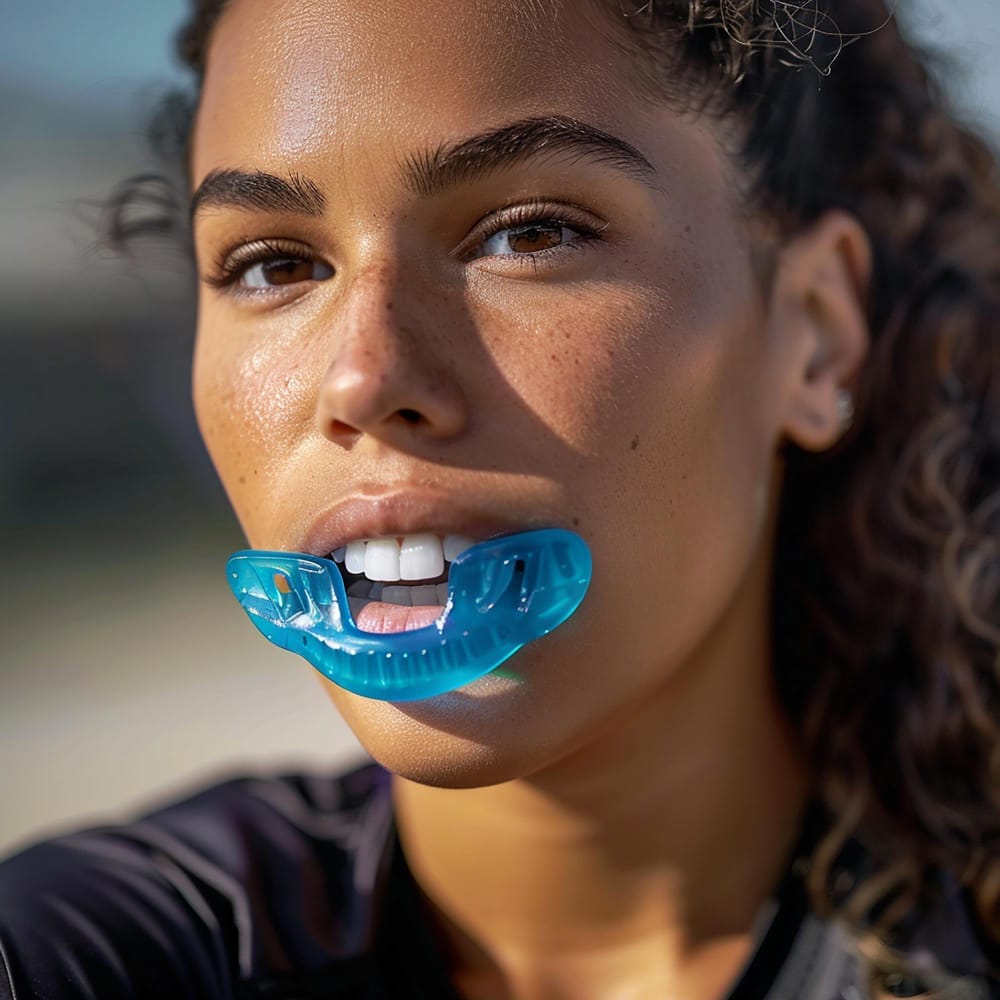
A custom night guard is the most common and effective first-line treatment for sleep bruxism. This removable oral appliance is custom-fabricated from impressions of your teeth to fit precisely and comfortably. Worn during sleep, it creates a protective barrier between the upper and lower teeth, preventing direct tooth-on-tooth contact and distributing forces evenly.
Custom Night Guard
Boil-and-Bite (OTC)
Stock (OTC)
Important: Over-the-counter mouth guards lack the precise fit of a custom appliance. Poorly fitting guards can actually shift teeth, alter your bite, and cause more jaw problems. If you're using an OTC guard, we recommend upgrading to a custom guard for long-term protection.
Bite Adjustment
If a misaligned bite is contributing to grinding, Dr. Nguyen may selectively reshape biting surfaces of certain teeth to create a more even, balanced bite — reducing muscle strain and uneven forces.
TMJ Therapy
Jaw exercises, physical therapy, hot/cold therapy, anti-inflammatory medication, or specialized TMJ splints to reduce joint inflammation. Learn more about TMJ treatment.
Stress Management & Behavioral Therapy
Progressive muscle relaxation, deep breathing, mindfulness meditation, regular exercise, and habit-awareness training for daytime clenching. Therapy or counseling for anxiety-related bruxism.
Sleep Disorder Evaluation
If you show signs of both bruxism and sleep apnea (snoring, gasping, daytime fatigue), Dr. Nguyen may recommend a sleep evaluation. Treating sleep apnea often reduces bruxism. Learn more.
Restorative Treatment for Damaged Teeth
If bruxism has already caused significant damage, Dr. Nguyen will develop a restoration plan: dental crowns for cracked/worn teeth, composite bonding for chipped edges, porcelain veneers for aesthetics, or dental fillings for decay. In severe cases, dental implants or bridges may be needed.
Ready to get started?
Schedule a consultation and take the first step toward better oral health.
Expert Care
Personalized treatment by Dr. Nguyen
Bruxism in Children
Teeth grinding is common in children, particularly during the ages when baby teeth are emerging and when permanent teeth are coming in. Many children grind during sleep and outgrow the habit without treatment. However, if your child's grinding is causing tooth wear, jaw pain, headaches, or disrupted sleep, Dr. Nguyen can evaluate the cause and recommend appropriate management.
When to bring your child in: If they complain of jaw pain, you hear grinding sounds at night, or you notice their teeth appear worn or chipped. Early intervention prevents long-term damage and identifies underlying issues such as airway problems or anxiety.
How to Reduce Teeth Grinding at Home
While professional treatment with a custom night guard is the most effective protection, these daily habits can help reduce grinding frequency and intensity:
Lips closed, teeth slightly apart, jaw relaxed. Set phone reminders to check and release tension.
Regular exercise, meditation, deep breathing, yoga, and adequate sleep all help lower stress levels.
Reduce caffeine (especially afternoon/evening) and avoid alcohol close to bedtime — both increase sleep bruxism.
Warm towel on jaw before bed relaxes muscles. Consistent bedtime, dark/cool room, and no screens before sleep support better quality sleep.
Frequently Asked Questions About Teeth Grinding and Bruxism
Bruxism Dentist Serving Berkeley, Albany, El Cerrito, Oakland & the East Bay
If you suspect you or a family member may be grinding or clenching your teeth, Acorn Family Dental Care can help. Dr. Teah Nguyen provides comprehensive bruxism evaluation and treatment at our Berkeley office at 2999 Regent St #302, conveniently accessible from Albany, El Cerrito, Kensington, Oakland, Emeryville, and Richmond. From custom night guards to TMJ therapy and restorative care for damaged teeth, we offer everything you need under one roof.
Schedule Your Bruxism Evaluation Today
Do not wait until grinding has caused irreversible damage to your teeth. Early diagnosis and treatment can save you from costly restorations and chronic jaw pain down the road.
Related Articles
Expert insights and tips from our dental team
 bruxism
Feb 27, 2024
Teeth Grinding Damage: What Bruxism Does to Your Teeth
Bruxism wears enamel, cracks teeth, and causes jaw pain — often while you sleep. Learn the warning signs of grinding damage and treatments that stop it.
Read article oral health
May 6, 2026
What Your Dentist Can Tell About Your Health
Your mouth reveals signs of diabetes, heart disease, and cancer before symptoms appear. Learn what a routine dental exam can uncover about your overall health.
Read article insomnia
May 15, 2024
How Insomnia Damages Your Teeth and Gums
Poor sleep triggers grinding, dry mouth, and gum disease. Learn the surprising link between insomnia and dental damage — plus how to protect your smile.
Read article