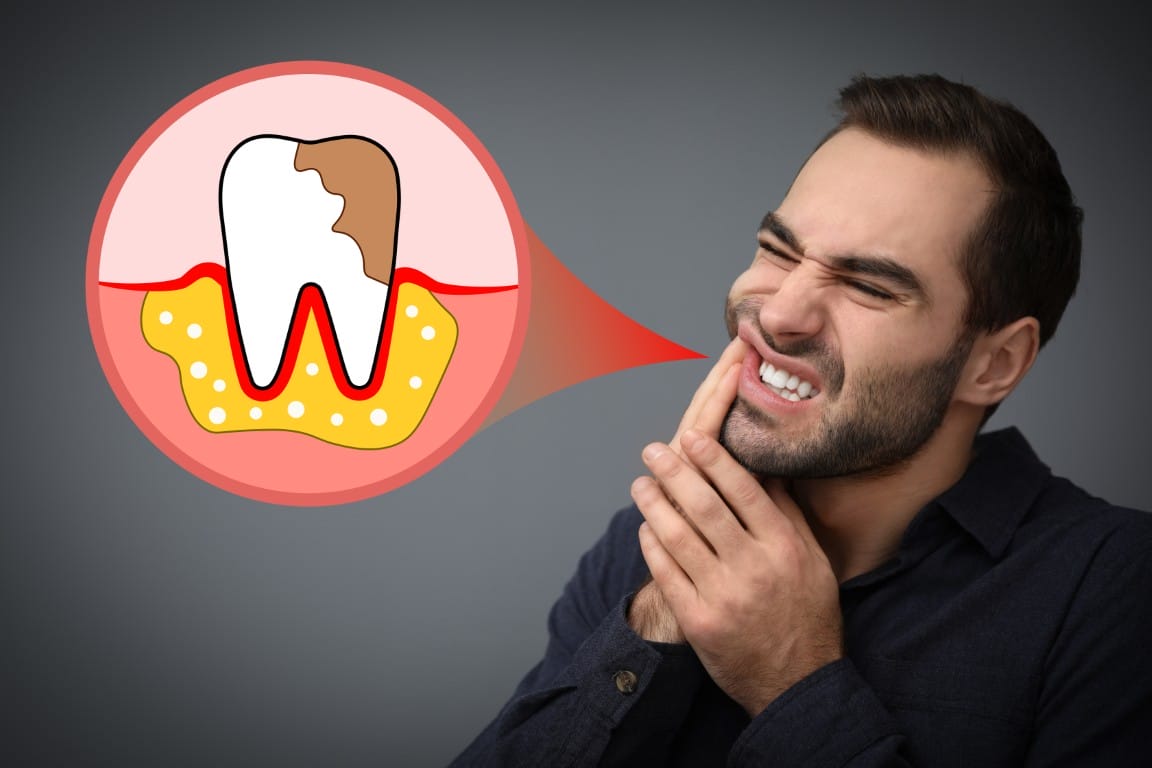



A numb tooth is an unsettling experience. Whether it feels like tingling, a lack of sensation when you bite down, or an odd "dead" feeling, tooth numbness is your body's way of telling you something has changed — and it usually warrants a closer look.
Here are seven common reasons your tooth might feel numb, and what each one means for your dental health.
1. Tooth Decay Reaching the Nerve
When a cavity progresses deep enough to reach the pulp chamber — the inner part of the tooth containing nerves and blood vessels — it can damage or kill the nerve tissue. As the nerve dies, you may lose sensation in that tooth entirely.
This is one of the most common causes of tooth numbness. Paradoxically, a tooth that was previously painful may suddenly go numb once the nerve dies, which people sometimes mistake for the problem "going away." In reality, the infection may still be progressing and needs treatment.
2. Trauma or Injury to the Tooth
If you've been hit in the mouth — from a sports injury, fall, or accident — the impact can damage the nerve inside the tooth. You might experience immediate numbness, or it may develop gradually over days or weeks as the nerve tissue swells or begins to die.
Even if the tooth looks fine on the outside, internal damage can cut off blood supply to the nerve. If your tooth feels numb after being hit, see your dentist promptly for an X-ray evaluation.
3. Dental Abscess or Infection
A bacterial infection at the root of a tooth can put pressure on surrounding nerves, causing numbness in the affected tooth and sometimes in nearby teeth as well. Signs of a dental abscess include:
- Swelling in the gums or face
- A persistent throbbing pain that suddenly stops (nerve death)
- A bad taste or foul odor in the mouth
- Fever or general feeling of being unwell
Dental infections require prompt professional treatment. Left untreated, the infection can spread to the jawbone, sinuses, or even the bloodstream.
4. Bruxism (Teeth Grinding)
Chronic teeth grinding or clenching puts enormous pressure on your teeth and the nerves inside them. Over time, this repetitive stress can irritate or damage the pulp, leading to intermittent numbness, tingling, or sensitivity.
Many people grind their teeth during sleep without realizing it. If you wake up with a sore jaw, headaches, or numb-feeling teeth, bruxism may be the cause.
5. Gum Disease (Periodontitis)
Advanced gum disease can damage the tissues and bone that support your teeth. As the disease progresses, it can affect the nerve supply to the teeth, causing numbness or altered sensation. Receding gums may also expose root surfaces, changing how a tooth feels when touched or tapped.
6. TMJ Disorder
Temporomandibular joint (TMJ) disorders affect the jaw joint and surrounding muscles. The trigeminal nerve — which provides sensation to your teeth, gums, and face — passes near the TMJ. When the joint is inflamed or misaligned, it can compress or irritate this nerve, causing numbness or tingling in the teeth, gums, lips, or chin.
7. Referred Nerve Compression
Sometimes tooth numbness isn't coming from the tooth at all. Conditions affecting nerves elsewhere in the head and neck can produce referred numbness in the teeth. This includes:
- Sinus infections: The roots of upper back teeth sit very close to the sinuses. Sinus pressure and inflammation can affect sensation in these teeth.
- Vitamin deficiencies: Low levels of B12 or other B vitamins can cause nerve-related symptoms including numbness in the mouth.
- Nerve conditions: In rare cases, conditions like trigeminal neuralgia or multiple sclerosis can cause dental numbness.
When to See a Dentist Right Away
Seek prompt dental care if you experience:
- Sudden numbness in a tooth after an injury
- A previously painful tooth that suddenly goes numb (possible nerve death)
- Numbness accompanied by swelling, fever, or a bad taste
- Numbness that spreads to the lip, chin, or tongue
- Persistent numbness lasting more than a few days
How We Diagnose and Treat Tooth Numbness
At Acorn Family Dental Care, Dr. Teah Nguyen will perform a thorough evaluation that may include digital X-rays, vitality testing (to check if the nerve is alive), and a clinical exam to determine the cause of your numbness.
Treatment depends on the underlying issue:
- Root canal therapy to save a tooth with a damaged or dead nerve
- Infection treatment with antibiotics and drainage if an abscess is present
- Night guard for bruxism-related nerve irritation
- Gum disease treatment to stop further tissue and nerve damage
Don't ignore a numb tooth — it's rarely a problem that resolves on its own. Contact our Berkeley dental office to schedule an evaluation.