

If you've been dealing with chronic bad breath despite brushing, flossing, and using mouthwash, you've probably asked yourself: can halitosis actually be cured? The answer, for the vast majority of people, is yes — but it requires identifying and treating the underlying cause, not just masking the symptom.
Yes, Most Halitosis Is Curable
Chronic halitosis is not a life sentence. Studies show that approximately 85-90% of bad breath cases originate from conditions inside the mouth — conditions that are diagnosable and treatable by a dentist. The remaining 10-15% stem from medical issues that can usually be managed with the right specialist.
The key is understanding that mouthwash, mints, and gum are not treatments — they're temporary cover-ups. Real treatment targets the source of the odor.
The Most Effective Halitosis Treatments
1. Professional Deep Cleaning
If gum disease is the cause (and it often is), a professional deep cleaning — called scaling and root planing — removes the tartar and bacterial deposits from beneath the gumline that brushing can't reach. For many patients, this single treatment makes a dramatic difference.
2. Treating Tooth Decay and Infections
Untreated cavities, cracked teeth, and dental abscesses harbor bacteria that produce strong odors. Repairing these issues with fillings, crowns, or root canal therapy eliminates the bacterial source.
3. Tongue Bacteria Reduction
The back of the tongue is the single largest reservoir of odor-causing bacteria in the mouth. Regular tongue scraping — combined with professional guidance on technique — can reduce volatile sulfur compounds by up to 75%. Some patients benefit from specialized tongue-cleaning products or antimicrobial rinses targeting tongue bacteria.
4. Dry Mouth Management
When reduced saliva is the issue, treatment focuses on stimulating or supplementing saliva production:
- Prescription saliva stimulants (pilocarpine, cevimeline)
- Saliva substitute products
- Sugar-free xylitol gum and lozenges
- Medication adjustments (if a current medication is causing dry mouth)
- Hydration strategies
5. Targeted Antimicrobial Therapy
For stubborn cases, your dentist may recommend specific antimicrobial rinses (like chlorhexidine) or probiotics designed to rebalance your oral microbiome. These treatments target the specific bacteria responsible for producing sulfur compounds.
6. Medical Treatment for Non-Oral Causes
When your dentist rules out all oral causes, medical conditions may be the source:
- GERD/acid reflux: Treated with medication, dietary changes, and sometimes surgery
- Chronic sinusitis: Managed with decongestants, nasal irrigation, or surgical intervention
- H. pylori infection: Eradicated with a specific antibiotic regimen
- Tonsil stones: Removed manually, with irrigation, or through tonsillectomy in severe cases
- Metabolic conditions: Managed by your physician with condition-specific treatment
Why Most People Don't Get Better on Their Own
The reason chronic halitosis persists for so many people isn't that it's incurable — it's that they've never had the actual cause properly diagnosed. Common mistakes include:
- Relying on mouthwash: Most commercial mouthwashes only mask odor for 30-60 minutes. Alcohol-based mouthwashes can actually worsen dry mouth and make bad breath worse over time.
- Assuming it's just food-related: If bad breath persists regardless of what you eat, the cause is almost certainly not dietary.
- Not mentioning it to a dentist: Many patients are embarrassed to bring up bad breath at dental visits, so the problem never gets properly evaluated.
- Treating symptoms instead of causes: Switching between different brands of mouthwash or toothpaste won't fix gum disease, a cavity, or acid reflux.
What a Halitosis Evaluation Looks Like
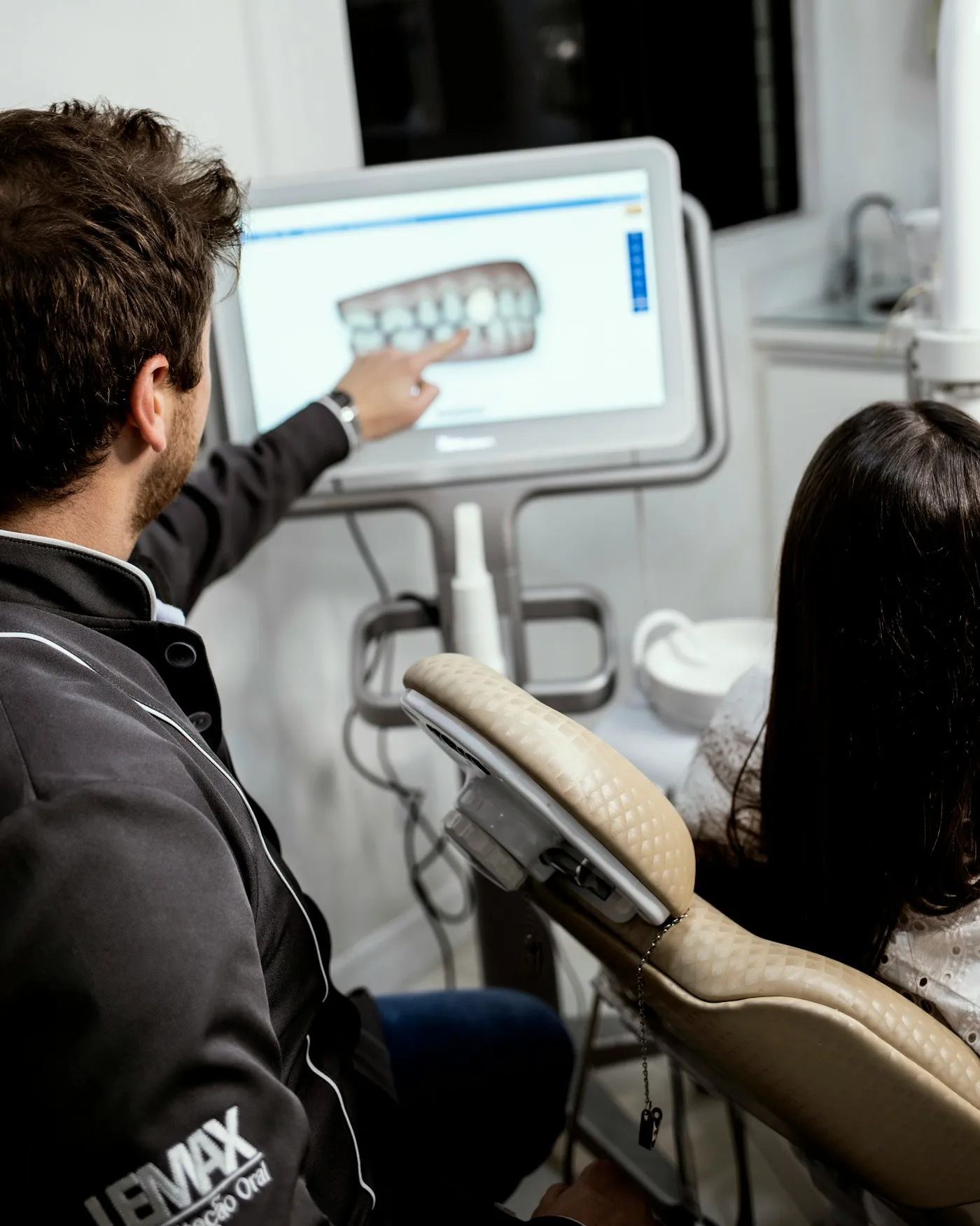
At Acorn Family Dental Care, a halitosis evaluation is thorough and judgment-free. Dr. Teah Nguyen will:
- Review your medical history and current medications
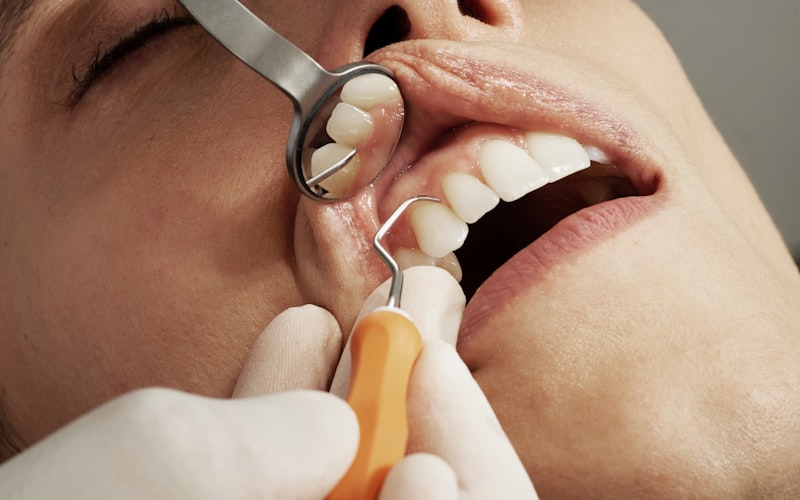
- Perform a comprehensive oral examination
- Check for gum disease, cavities, and other dental issues
- Evaluate your tongue, tonsils, and soft tissues
- Assess saliva production
- Discuss your symptoms, diet, and oral care routine
- Develop a targeted treatment plan based on findings
Learn more about our approach to chronic halitosis treatment.
Take the First Step
You don't have to live with chronic bad breath. With the right diagnosis and treatment, halitosis is a highly solvable problem. Schedule a consultation at our Berkeley office and let us help you find a permanent solution.