
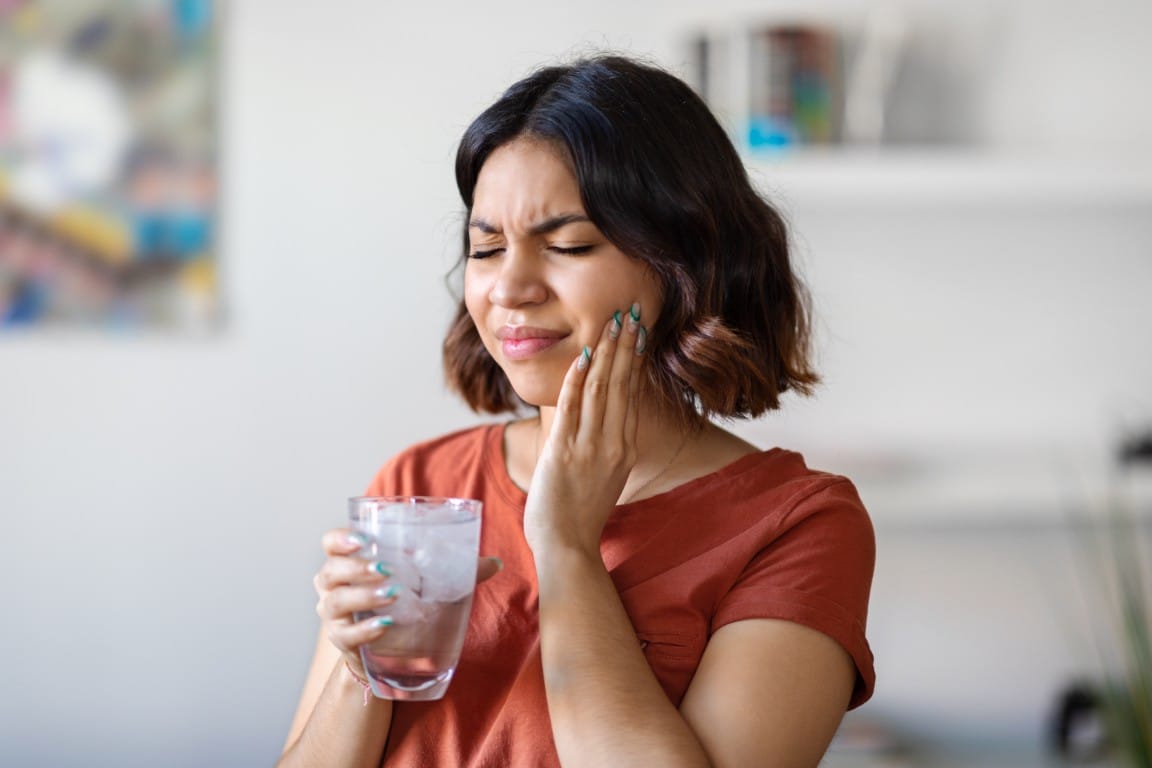
Do you have a habit of chewing on ice throughout the day? While it might seem harmless or refreshing, this habit can cause serious damage to your teeth and mouth. Understanding the risks can help you make better choices for your oral health.
Chewing Ice Is Harmful to Your Teeth
Besides the obvious choking hazard, there are several reasons why chewing on ice is bad for your mouth and teeth:
- Enamel damage: Ice is hard enough to chip or crack the protective enamel layer of your teeth, leaving them vulnerable to decay and sensitivity.
- Braces and dental work: If you have braces, crowns, or fillings, chewing ice can cause them to crack, loosen, or break—leading to costly repairs.
- Cracks and chips: Severe cases can result in fractures that require emergency dental care.
- Filling damage: The strong pressure from chewing ice can dislodge or weaken fillings over time.
Although many of these issues can be treated by a dentist, they’re completely preventable by simply giving up the ice-chewing habit.
Tips to Stop Chewing Ice
If you find yourself constantly craving or chewing ice, there are steps you can take to quit safely:
- Check for underlying causes: Craving ice can sometimes be linked to conditions like anemia or dehydration. Speak with your dentist or doctor to rule out any medical reasons.
- Find healthy alternatives: If chewing ice helps with habits like quitting smoking, try sugar-free gum or popsicles instead—they keep your mouth occupied without damaging your teeth.
- Stay hydrated: Drinking plenty of water can reduce your urge to chew on ice cubes.
If you’re struggling to stop or have already noticed damage from ice chewing, don’t wait. Contact our office for an evaluation—we can help repair the damage and protect your smile for the future.